Master Your Swing: How to Weight a Baseball Bat
Swinging a bat with proper weight distribution, often called “weighting,” is key to generating more power and improving your bat speed. You achieve this by focusing on where the bat feels heaviest, typically towards the barrel end. Mastering this helps you make better contact and drive the ball farther.
Understanding bat weighting isn’t just about holding the bat. It involves understanding how the bat’s balance point, or its “end load,” affects your swing mechanics. Many players discover that a bat with a slightly different weight distribution can dramatically alter their performance at the plate.
- Understand your bat’s balance point.
- Focus on where the weight feels heaviest.
- Adjust your grip and swing path accordingly.
- Practice to feel the difference in bat speed.
Ready to learn how to feel and use your bat’s weight to your advantage? Let’s break down the simple steps to perfect your swing weighting.
You’ve got the bat in your hands, and you’re ready to feel the difference proper weighting can make. It’s all about understanding where the bat feels heaviest and how that impacts your swing. Think of it like swinging a golf club or a tennis racket; their balance points are designed for specific types of swings, and your baseball or softball bat is no different. Learning to “swing weight” means learning to feel and utilize that balance.
Understanding Your Bat’s Feel and Balance
The concept of “swing weight” is simply how heavy the bat feels when you swing it. It’s not just the physical weight listed on the bat, but where that weight is distributed. A bat that feels heavier at the end of the barrel will have a higher swing weight. This end-load can lead to more power, but it also requires more bat speed and control.
What Exactly Is End Load?
End load refers to the concentration of weight toward the barrel of the bat. Some bats are designed with a lot of end load, making them feel powerful but potentially slower through the zone. Others have a more balanced feel, distributing weight more evenly. This balance point is what determines how the bat feels when you swing.
Finding Your Bat’s Sweet Spot of Balance
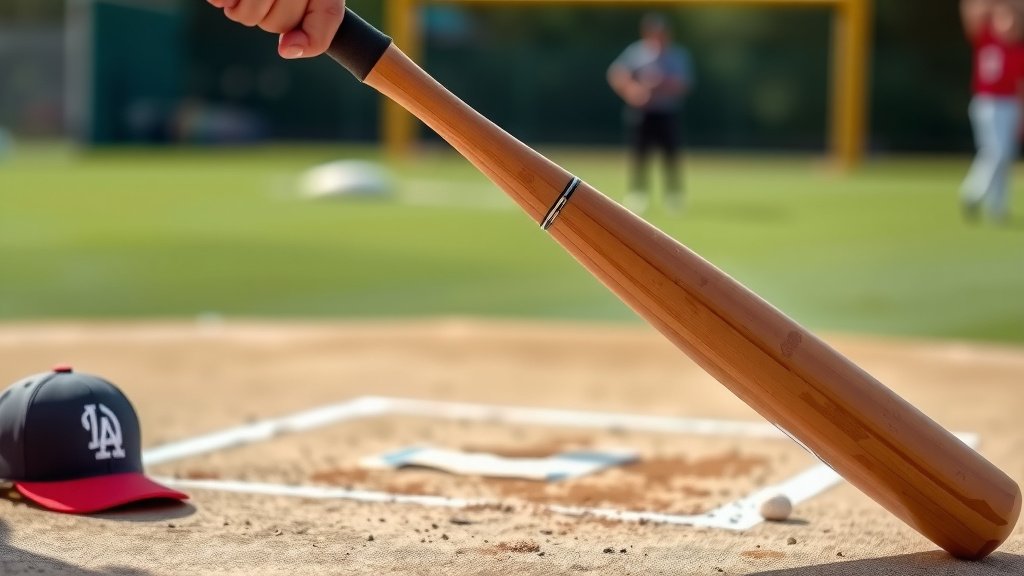
So, how do you find this balance point? Grab your bat and hold it at the very end of the handle, near the knob. Now, try to balance it on your index finger. Wherever the bat balances is its center of balance. A bat that balances closer to the barrel end has more end load. A bat that balances closer to the hands feels more balanced.
The Impact of Weight Distribution on Your Swing
This balance point directly affects your swing mechanics. A bat with a significant end load requires you to use your body’s momentum effectively to whip it through the hitting zone. If you’re not used to it, it might feel like you’re swinging a sledgehammer! A more balanced bat is generally easier to swing faster, but might not provide the same “pop” if you don’t connect perfectly.
How to Feel and Utilize Swing Weight
Now that you know what swing weight is, let’s talk about how to actually use it to your advantage. It’s a tactile skill, meaning you learn it by doing and feeling.
The Grip: Your Connection to the Bat’s Weight
Your grip is the first place you connect with the bat’s weight. Don’t grip the bat too tightly. A death grip actually restricts your wrists and makes it harder to feel the bat’s natural movement. Researchers found that a relaxed grip allows for better bat speed (Iowa State University Extension). Try a grip where your knuckles are roughly aligned. This allows your wrists to stay loose and create a whipping action.
Finding the Right Grip Pressure
Imagine shaking hands with the bat. You want a firm, confident grip, but not one that tenses up your arms. You should be able to slightly rotate your wrists. This slight give is crucial for allowing the bat head to lag behind your hands, which is a key component of a powerful swing.
The “Lag” and How to Create It
Bat lag is when the barrel of the bat trails behind your hands as you initiate your swing. This creates a whip-like effect, accelerating the bat head through the hitting zone. A heavier end-loaded bat often encourages more natural lag if you allow it. You don’t want to force the barrel; you want to let the weight of the bat do some of the work.
Feeling the Barrel Through the Zone
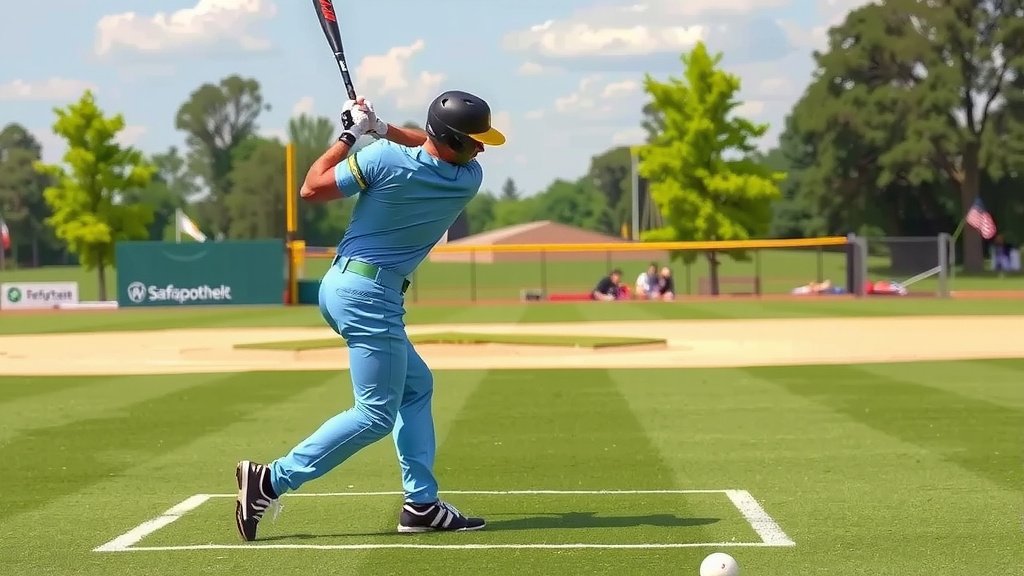
During your practice swings, focus on feeling the barrel of the bat. Where is it at the start of your swing? Where is it as you make contact? With an end-loaded bat, you should feel that weight “pulling” through the zone. It’s a sensation that develops with repetition.
Practice Drills to Enhance Swing Weight Awareness
Like any skill, practicing is key. You need to get comfortable with how different weights feel and move.
- Two-Handed Swings with a Heavier Bat: Use a bat that’s slightly heavier than your game bat for warm-ups. This helps build strength and makes your game bat feel lighter and faster.
- Tee Work with Focus: Place the ball on a tee. Focus on feeling the barrel throughout your swing, especially as you approach contact.
- Bat Speed Trainers: Tools designed to increase bat speed can help you develop the muscles and mechanics to handle heavier swing weights.
- Mirror Work: Swing in front of a mirror to check your mechanics and ensure you’re not fighting the bat’s natural motion.
Choosing the Right Bat for Your Swing Weight Needs
Different players benefit from different types of swing weight. It’s not a one-size-fits-all situation.
Understanding Bat Categories: Balanced vs. End-Loaded
Manufacturers often label bats as “balanced” or “end-loaded.” A balanced bat is great for younger players or those who struggle with bat speed. An end-loaded bat is often favored by stronger, more experienced hitters looking for maximum power potential. Many bats also fall somewhere in between.
How Bat Weight and Length Interact with Swing Weight
It’s important to remember that the overall weight and length of the bat play a role. A longer, heavier bat will generally feel more end-loaded than a shorter, lighter one, even if their distribution percentages are similar. This is why a 30-inch bat might feel balanced, while a 34-inch bat of the same model might feel end-loaded.
Here’s a quick way to compare:
| Bat Type | Feel | Best For |
|---|---|---|
| Balanced | Feels light, easy to swing fast | Developing hitters, improving bat speed |
| Slightly End-Loaded | Noticeable weight toward barrel, good balance of speed and power | All-around hitters, players looking for a bit more pop |
| Heavily End-Loaded | Feels heavy at the barrel, requires strong swing mechanics | Power hitters, experienced players |
When to Consider a New Bat
If you consistently feel like you’re fighting your bat, or if you’re not getting the results you want, it might be time to re-evaluate your bat’s swing weight. Are you swinging a bat that’s too end-loaded for your current strength and skill? Or perhaps one that’s too balanced, and you’re missing out on potential power?
Pay attention to how the bat feels on every swing. Do you feel in control? Can you accelerate through the ball? If the answer is no, your bat’s swing weight might be the culprit. Many coaches recommend trying different bats to find the sweet spot. This hands-on approach is invaluable for understanding what works best for you. You want a bat that feels like an extension of your arms, not a burden.
Remember, mastering swing weight is a journey. It takes practice, patience, and paying attention to the subtle feelings during your swing. Soon, you’ll be able to pick up a bat and know instantly if it’s the right one for you!
Conclusion
You’ve learned that swing weight is all about how the bat feels when you swing it, not just its actual weight. Understanding your bat’s end load and balance point is key to generating more power and improving bat speed. It all comes down to how you grip the bat and feel its natural movement. Experimenting with different bats and drills will help you find the perfect match for your swing. Keep practicing and listening to how the bat feels, and you’ll be swinging with more confidence and control in no time.
Frequently Asked Questions
How do I know if my bat is too end-loaded for me?
If you consistently feel like you’re fighting the bat and struggling to bring it around quickly, it might be too end-loaded. You might also notice a significant drop in bat speed. A bat that feels like a burden rather than an extension of your arms is a good indicator.
Can a balanced bat still have a lot of power?
Yes, a balanced bat can still generate power. It relies more on your own swing mechanics and bat speed to create force. Players who have excellent swing speed and technique can often hit for power with a more balanced bat.
Does grip strength affect swing weight perception?
While grip strength itself isn’t the main factor, how tightly you grip can. A death grip tenses your arms and wrists, making the bat feel heavier and hindering your ability to feel its natural swing weight. A relaxed, controlled grip is best.
How often should I practice swing weight drills?
Consistency is key. Aim to incorporate swing weight awareness into most of your practice sessions. Even a few minutes focusing on the feel of the bat during tee work can make a difference over time.
Is it better to choose a bat for speed or power based on swing weight?
It depends on your strengths as a hitter. If you have high bat speed, an end-loaded bat can add power. If you struggle with speed, a more balanced bat will help you swing faster and make more consistent contact.