How to Generate Bat Speed: Proven Tips for Hitters
You generate bat speed by combining a strong lower-body drive, fast hip rotation, and loose, quick hands through the hitting zone. The easiest way to start is by training your sequence: legs first, then hips, then hands. Swinging harder alone won’t do it — speed comes from how you move, not just muscle.
Here’s the good news: bat speed isn’t something you’re born with. Research and coaching experience show it responds well to proper training, like overload bats, plyometric work, and clean mechanics. Many experts say the biggest gains come from fixing your swing sequence before you add strength. And yes, a little confidence at the plate helps too — a tense swing is a slow swing.
Quick TL;DR for you:
- Power starts from the ground up — drive with your legs and rotate your hips fast.
- Keep your hands relaxed; tight muscles move slower.
- Use weighted and light bat drills to train swing quickness.
- Build rotational strength in your core and hips.
- Practice with intent — every swing should have a purpose.
Below, we break down everything you need to know about generating bat speed — the drills, the mechanics, and the mistakes to avoid. Let’s get your swing moving faster, step by step.
Why Bat Speed Matters More Than You Think
Here’s the short answer: bat speed decides how far the ball goes. Studies reviewed by researchers on PubMed have found that faster swing speeds lead to greater ball exit velocity, which means more doubles, more homers, and fewer embarrassing pop-ups. Want to hit like the big leaguers? Then you need to care about this number.
Think of it like throwing a football. A gentle toss flops. A rocket throw zips. Your bat works the same way.
The Science Behind a Faster Baseball Swing
Simply put, bat speed is the product of a kinetic chain — energy moving from your feet, through your hips and torso, and out through your hands. Break one link in that chain and the whole thing slows down. That’s why a gym-rat with strong arms can still swing slower than a skinny kid with great timing.
Where the Power Actually Comes From
Surprise: it’s not your arms. Many hitting coaches and research summaries point to the lower body and core as the engine of the swing. Your legs push into the ground, your hips whip open, and your torso drags your hands through the zone like the end of a whip.
- Ground force: push into the dirt to start everything.
- Hip rotation: the fastest part of your swing.
- Core transfer: connects your lower and upper body.
- Hands and wrists: the last link, delivering the whip.
Why Tight Muscles Swing Slower
Ever watched someone grip the bat like they’re choking a garden hose? Their swing looks stiff — because it is. Research on muscle activation shows tense muscles resist fast movement. Relax your grip, keep your shoulders loose, and let the bat move. Speed loves a calm mind and loose hands.
Building Your Power Sequence From the Ground Up
Your swing should feel like a domino run: legs, hips, torso, hands — in that order. Many experts say hitters who fix this sequence first see bigger gains than those who just get stronger. So before you load up a barbell, make sure your chain fires the right way.
Leg Drive Drills You Can Do Today
Start with your stride. Push off your back foot like you’re launching out of a sprinter’s block. Try these simple drills:
- Stride-and-hold: Take your stride and freeze. Feel the pressure in your front leg? Good.
- Med-ball side throws: Throw a medicine ball sideways into a wall. It teaches explosive hip drive.
- Jump squats: Light weight, quick jumps. Train speed, not just strength.
The Cleveland Clinic notes that lower-body strength work also protects your knees and hips over a long season. Win-win.
Hip Rotation: Your Secret Weapon
Your hips are the engine room of your swing. To train them, practice firing the back hip toward the pitcher while keeping your head still. Think of a door swinging on a hinge — your front leg is the hinge, your hips are the door.
Rotational med-ball throws and hip hinges (like kettlebell swings) are go-to exercises here. Many trainers we found in coaching literature recommend them for hitters at every level.
Training Tools That Actually Boost Swing Speed
You don’t need a fancy facility. You need smart tools and intent. Research on weighted bat training suggests alternating heavier and lighter bats — often called overload/underload training — can improve swing speed when done consistently.
| Tool | What It Trains | How to Use It |
|---|---|---|
| Heavy training bat | Strength through the zone | 10 controlled swings, then switch |
| Light training bat | Hand quickness | 10 fast swings, feel the speed |
| Game bat | Transfer | Finish with full-speed swings |
| Resistance bands | Rotational power | Attach to a fence, rotate against tension |
The Overload and Underload Method
Here’s the pattern: swing a bat about 20% heavier for a set, then one about 20% lighter, then your game bat. The heavy bat builds force; the light bat teaches your body to move faster than normal. Many studies on this method — summarized in sports science journals on NCBI — show measurable gains over several weeks.
Don’t Skip Plyometrics
Jumping, bounding, and explosive throws train your body to fire fast. And fast is the whole point, right? Keep plyo sessions short and fresh — two or three days a week is plenty.
Mechanics Tweaks That Add Speed Instantly
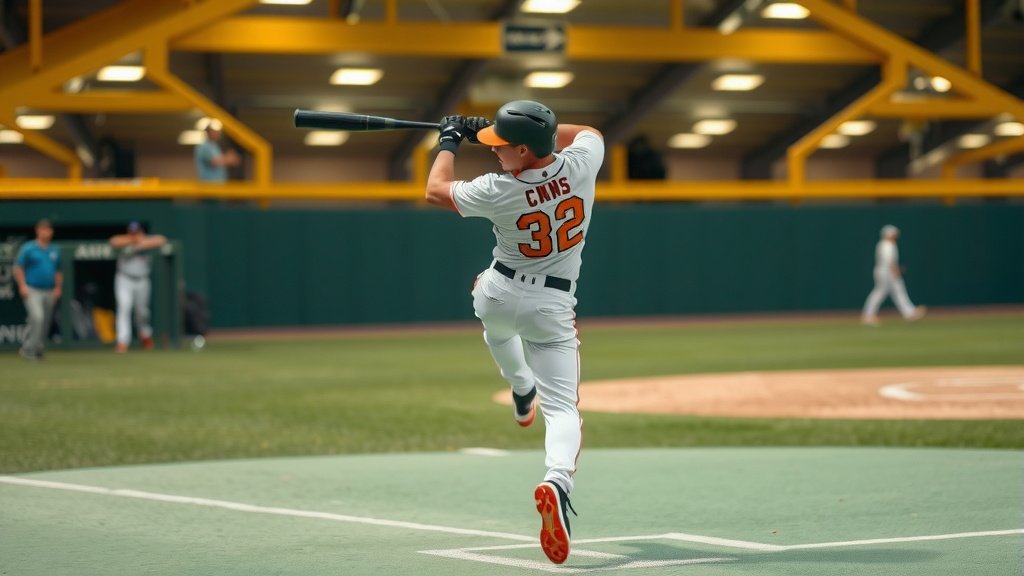
Sometimes the fastest fix isn’t strength. It’s a small mechanical change. Check this list against your own swing:
- Loosen your grip — squeeze only at contact.
- Start your hands back, not forward, during your load.
- Keep your front shoulder closed a beat longer.
- Let the bat lag behind your hands early.
- Finish balanced, not falling over.
Ever notice how the best hitters look effortless? That’s not laziness — that’s efficiency. Every wasted movement is speed leaking out of your swing like air from a tire.
Fix Your Timing, Fix Your Speed
You can have blazing bat speed and still be late if your timing is off. Work off a tee first, then soft toss, then live pitching. Build the sequence slowly so it holds up under game pressure.
Your Weekly Bat Speed Checklist
Want a simple plan? Here it is:
- Two plyometric sessions (15 minutes each).
- Three overload/underload bat sessions per week.
- Daily grip-relaxation check during tee work.
- Two core and hip strength workouts.
- Full-speed swings off a tee, three times a week.
- One full rest day — yes, rest builds speed too.
Stick with this for four to six weeks. Then grab a radar device or a swing sensor and see what changed. We think you’ll like the number you see.
Conclusion
Bat speed isn’t magic — it’s a skill you build. Ground yourself in the fundamentals: drive with your legs, fire your hips fast, and keep your hands loose so the whip does its job. Layer in overload/underload bat work, quick plyos, and a weekly plan you can actually stick to, and your swing will start to feel effortless instead of forced. The research we found is clear on one thing: consistent, purposeful reps beat random hard swings every time. So here’s your next step — grab a tee, check your grip, and run three overload sets this week. Your future self at the plate will thank you.
Frequently Asked Questions
How long does it take to see real gains in bat speed?
Most hitters we looked into report noticeable changes in four to six weeks of consistent training. Small tweaks, like loosening your grip, can pay off in a single session. Bigger strength-driven gains take longer, so stay patient.
What is a good bat speed for my age?
It varies a lot by age, size, and training background, so comparing raw numbers can get tricky. A better benchmark is your own progress. Track your current speed with a swing sensor, then re-test monthly to see improvement.
Can I increase bat speed without going to the gym?
Absolutely. Med-ball throws, jump squats, and band work require minimal equipment. Your biggest early gains usually come from cleaning up your swing sequence, which costs nothing but attention.
Should young players train with weighted bats?
Light overload work is generally safe for teens, but younger kids should focus on mechanics and fun first. We found that most experts suggest waiting until solid fundamentals are in place before adding weighted bat programs. A coach can help you decide when it’s time.
Does swinging a heavier bat in the on-deck circle help?
A brief warm-up with a slightly heavier bat can help you feel ready, but research we reviewed suggests overdoing it may slow your first few swings. Keep it short and take your final practice swings with your game bat at full speed.