How to Use Your Hips When Hitting: A Step-by-Step Guide
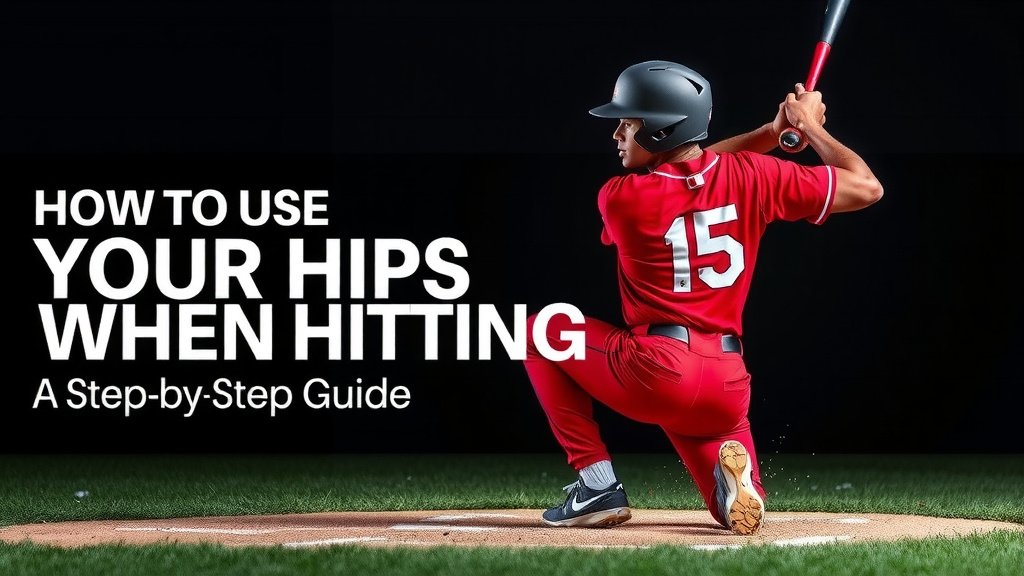
To use your hips when hitting, start your swing by rotating your hips toward the ball before your hands and arms move. Your hips lead, and everything else follows. That’s the secret behind almost every powerful hitter, from baseball to softball to golf.
Ever wonder why some players hit so much harder than others, even when they look similar in size? It usually comes down to hip rotation, not arm strength. When we researched what coaches and hitting instructors teach, we found that the best hitters generate power from the ground up, and the hips are the engine that makes it all work. Get this one move right, and you’ll add distance and consistency to your swing.
- Your hips should start rotating before your hands and shoulders move.
- Proper hip rotation transfers energy from your legs up through your swing.
- A common mistake is swinging with your arms only, which kills power.
- Simple drills can help you build the right timing and muscle memory.
- Good hip use also improves balance and reduces strain on your arms and back.
Below, we break down exactly how to use your hips when hitting, step by step, with easy drills you can start practicing today. Let’s get your swing working the way it should.
Using Your Hips to Power Your Swing
Your hips are the biggest, strongest muscles you can use in a swing. When they turn first, that energy travels up your body like a whip. When they don’t, your arms are stuck doing all the work — and your arms are weak compared to your legs and core. We found that most hitting coaches call this the kinetic chain: energy moves from the ground, through your legs, into your hips, then out through the bat.
Think of it like cracking a whip. The handle moves first, small and quick. The tip moves last, fast and sharp. Your hips are the handle. Your bat is the tip.
Why Hip Rotation Matters So Much
Here’s a simple truth: your legs and hips can generate far more force than your arms ever could. Research on rotational sports shows that powerful movements start from the ground up, with the core acting as the transfer station (NIH). When your hips fire on time, the bat speed comes almost for free. Equipment matters too — our guide to baseball bat weight explains how bat mass affects your swing speed.
Skip the hips, and two bad things happen. First, you lose distance. Second, you put extra strain on your shoulders, elbows, and lower back, because those smaller joints are absorbing loads they were never meant to handle. Overuse injuries in young athletes are well documented, and poor mechanics are a known contributor (CDC).
The Sequence Every Good Hitter Follows
Many experts describe the swing as a chain of events that happens in order. Miss the order, and the chain breaks.
- Load: Shift weight slightly to your back leg.
- Stride: Step forward softly toward the pitcher.
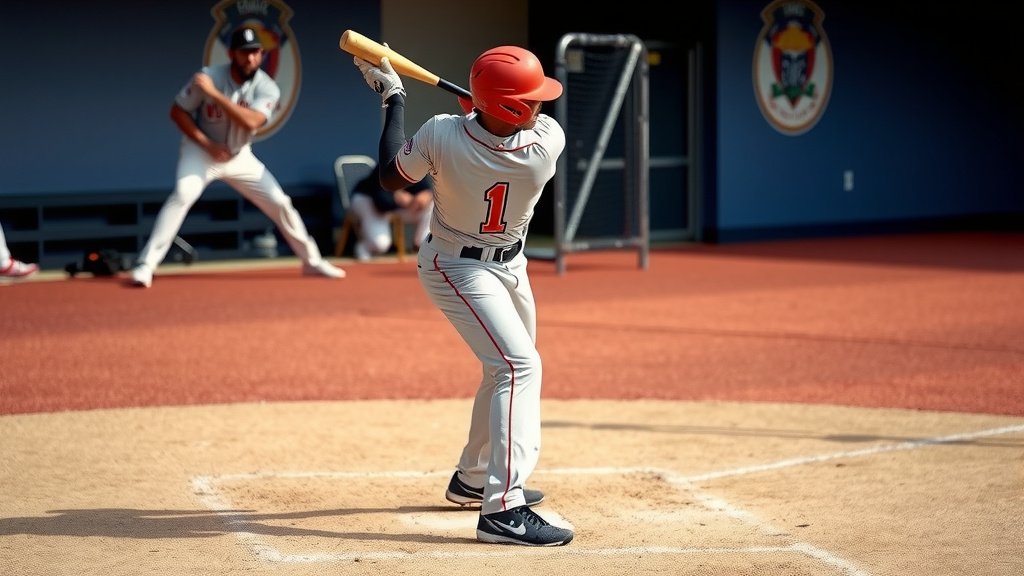
- Hips fire: Rotate your back hip toward the ball first.
- Torso follows: Shoulders unwind after the hips.
- Arms and bat: They come through last, whipped by everything below them.
Notice the hips sit right in the middle. That’s not an accident. They’re the bridge between your power source and your bat.
Getting the Timing Right
Timing is where most hitters struggle. You don’t want your hips turning too early or too late. You want them starting just as your front foot plants. If you’re asking, “How do I even feel that?” — here’s the honest answer: you practice it until it’s automatic.
We found that a good mental cue is “squish the bug.” As you swing, rotate the ball of your back foot like you’re squishing a bug under your shoe. That little twist forces your back hip to open, which starts the whole chain.
Signs Your Hips Are Working
Not sure if you’re doing it right? Check yourself against this list.
- Your belt buckle points toward the pitcher at contact.
- Your back foot has spun so the laces face the pitcher.
- Your hands feel loose, not tense and pushing.
- The ball jumps off the bat without an all-out arm swing.
- You feel balanced after the swing, not falling forward.
Signs Your Hips Aren’t Firing
On the flip side, these are red flags. Most hitters we researched describe the same frustrating symptoms.
- Your chest faces the pitcher way too early (shoulders fired first).
- Your back foot never moves during the swing.
- Your arms feel sore after practice but your legs feel fine.
- Softly hit balls even though you’re swinging hard.
Drills That Teach Your Hips to Lead
Reading about hip rotation is one thing. Feeling it is another. These drills are simple, and you can do most of them at home with no equipment.
Drill 1: The Dry Hip Turn
Stand in your stance without a bat. Get your weight loaded, then slowly rotate your hips toward an imaginary ball. Keep your shoulders still while your hips turn. That separation between hips and shoulders is the whole skill. Do ten slow reps, then speed up.
If your shoulders keep turning with your hips, place a short stick or broom handle across your shoulders and hold it. It’ll punish any early arm movement. Annoying? Yes. Effective? Also yes.
Drill 2: The Flamingo Fire
Lift your front leg like a pitcher, balance briefly, then stride and fire your hips into a full turn. This drill teaches balance and timing together. Studies on balance training show it directly improves athletic performance and reduces injury risk (NCBI). Start slow. Wobbling is normal at first — everyone looks a little silly doing this one.
Drill 3: The PVC Whip Swing
Swing a light training stick or even a folded towel. Because it’s light, you can’t muscle it with your arms. The only way to make it “whoosh” loudly is to whip it through with your hips and core. Listen for the sound. Speed equals sound here.
How to Progress These Drills
Once each drill feels natural, combine them. Do the flamingo fire into a full dry swing. Then add the stick, then add a tee. Build the chain one link at a time instead of fixing everything at once. Many coaches recommend mastering the slow version before adding any speed.
Common Hip Mistakes and How to Fix Them
Even hitters who know about hip rotation fall into traps. Here are the big three, plus quick fixes.
| Mistake | What It Looks Like | Quick Fix |
|---|---|---|
| Hips too early | Hips open before the stride lands | Count “stride, then turn” out loud during reps |
| Hips too late | Arms already moving, hips frozen | Do 20 slow “squish the bug” reps before hitting |
| Hips slide instead of turn | Body drifts forward, weight on front heel | Practice against a wall; your back hip shouldn’t drift |
One more sneaky mistake: standing too stiff. If your knees are locked, your hips physically can’t rotate well. Stay athletic — knees soft, weight on the balls of your feet.
Your Quick Hip Checklist Before Every Swing
Use this simple list during practice. Run through it mentally each time until it becomes habit.
- Feet shoulder-width apart, knees soft.
- Weight loaded into your back hip.
- Stride lands soft and quiet.
- Hips fire before hands.
- Belt buckle finishes facing the pitcher.
- Back foot fully rotated, laces toward the ball.
Staying Healthy While You Train
New movement patterns can make muscles sore, and that’s normal. But sharp pain in your hips or lower back is your body waving a red flag. Warm up with a few minutes of light movement before hitting — the CDC notes that a proper warm-up helps reduce sports injury risk for athletes of all ages.
Many experts suggest adding basic hip mobility work, like gentle lunges or hip circles, a few times per week. Flexible hips rotate better, plain and simple. If pain sticks around for more than a few days, check in with a doctor or physical therapist before pushing harder (Mayo Clinic).
Remember: a powerful swing isn’t built in one day. It’s built one rep, one drill, one honest checklist at a time. Give your hips the job they were born for, and your arms will finally get to relax.
Conclusion
That’s the full picture. Your hips start the swing, your shoulders follow, and your hands arrive last — like a whip cracking from the ground up. When we researched how great hitters train, one theme kept showing up: they don’t swing harder, they rotate better. Get your hips firing on time, and power, balance, and consistency tend to follow without extra effort.
Don’t try to fix everything in one session. Pick one drill from above — we suggest starting with the dry hip turn — and do it for ten minutes a day this week. Feel the separation, then add speed. Your swing will thank you.
Frequently Asked Questions
Do you rotate your hips before or after your hands?
Your hips should always start first. Hands and arms come last, whipped through by the rotation below them. If your hands fire first, you’re swinging with your arms instead of your whole body.
Can you use your hips too much when hitting?
You can over-rotate, yes. If you spin past the ball or fly open early, you’ll pull off pitches and lose contact quality. The goal is a full turn to contact, not an all-out spin — stop rotating once your belt buckle faces the pitcher.
How long does it take to learn proper hip rotation?
Most hitters need a few weeks of consistent reps before it feels natural. We found that slow, deliberate practice builds the timing faster than full-speed swinging. Give it daily short sessions rather than occasional long ones.
Do smaller players benefit from hip rotation too?
Absolutely — some of the best examples come from smaller hitters who out-slug bigger teammates. Hip rotation lets you generate force from your legs, so raw size matters less than most people think. Technique beats muscle here.
Should I practice hip drills without a bat?
Yes, and honestly it’s one of the best ways to learn. Without a bat in your hands, you can’t cheat with your arms, so your hips have to do the work. Many coaches have players do dry swings daily before ever touching a ball.