How to Cover First Base as a Pitcher: A Simple Guide
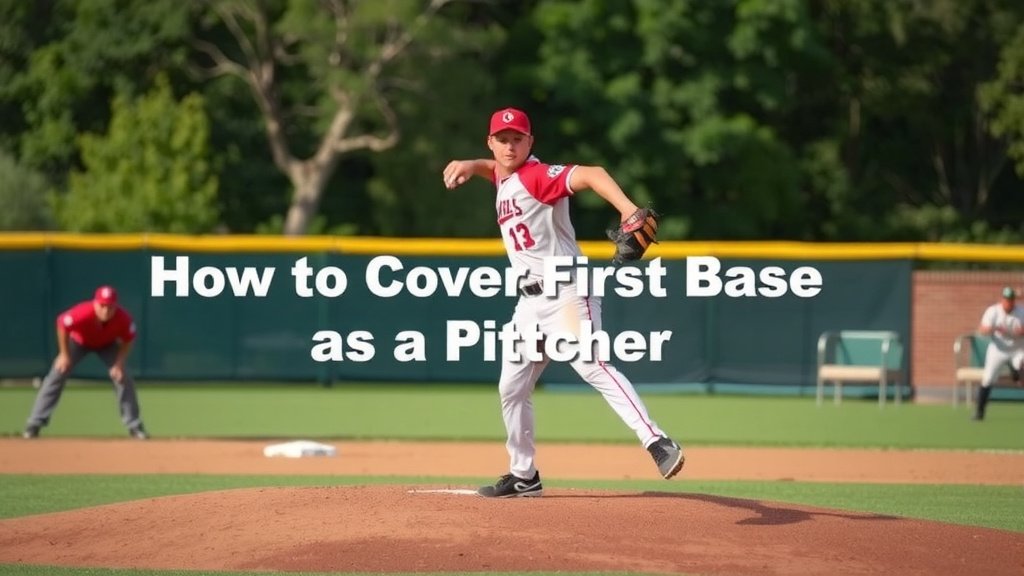
Covering first base as a pitcher comes down to one simple move: the moment the first baseman leaves the bag to field a ground ball, you sprint to the base and get there before the runner does. Catch the throw, step on the bag, and the out is yours. Miss it, and you’ve handed the other team a free baserunner.
Here’s the thing — this play looks easy until you’re actually standing on the mound and someone rips a grounder to the right side. Then your feet need to know what to do without asking your brain. We researched what pitching coaches and former pros teach, and we found that footwork and communication matter more than speed. You don’t need to be the fastest guy on the team. You just need to know your job before the pitch is thrown.
- Sprint to first base the second the first baseman fields a ball to his right.
- Run along the inside of the baseline so you don’t collide with the runner.
- Catch the ball with two hands and tag the base, not the runner. This play is a force out, and our simple guide explains exactly when the rule applies.
- Call out “I’ve got first!” so your teammates know you’re covering.
- Practice the footwork until it happens without thinking.
Below, we walk through exactly how to do this, step by step — from reading the ball off the bat to making the catch clean. By the end, you’ll cover first like you’ve done it a hundred times. Because after a little practice, you will have.
When Should You Cover First Base?
The short answer: the moment you think the first baseman might have to move to his right. That’s your trigger. Everything else follows from reading that play early.
Here’s a rough guide we found in what many pitching coaches teach. You don’t memorize it — you just let it sink in until the reads feel automatic.
| Ball Hit To | Do You Cover First? |
|---|---|
| Third baseman or shortstop | No — first baseman holds the bag |
| Second baseman, ball to his left | Usually no, but be ready |
| First baseman moving right | Yes — sprint now |
| Ball hit sharply down the line | Yes, especially with a lefty batter |
| Bunt toward first | Yes — communicate fast |
Notice the pattern? The farther right the play drifts, the more likely you’re needed. If the first baseman is pulling off the bag, that’s your cue. Many coaches sum it up in one word: react.
Reading the Ball Off the Bat
Once you release the pitch, your job isn’t over — it’s just beginning. Watch the first few feet of the ball’s flight. If it’s headed toward the right side of the infield, take your first shuffle step before you even know where it’s going. Keeping runners close before the pitch makes this read easier, and our guide to how to hold runners on base shows you how.
Why so eager? Because covering first is like being a designated driver — you’d rather be there and not needed than needed and late. Being early costs you nothing. Being late costs a run.
We found that many coaches tell pitchers to take one step toward first on every ball hit to the right side. If the play is elsewhere, you reset. If it’s yours, you’re already moving.
Communication With Your First Baseman
Talk before every pitch. Not just when the situation demands it. A quick “I’ve got the right side” or “You’ve got the bag” keeps both of you honest.
When the first baseman fields a ball, he should call you off verbally if he’s going to tag the bag himself. Some guys prefer to flip the ball and take the throw. There’s no single right answer — but there IS a wrong answer: silence.
Picture this: the ball’s rolling, both of you freeze for half a second deciding who covers, and the runner is already past you. That half-second of confusion is why you talk. Constantly.
The Footwork, Broken Down
The Path You Take
Sprint toward the inside of the baseline — the side facing home plate. This keeps your body between the runner and the throw, and it keeps you from slamming into the runner like a bowling pin.
Hitting the outside edge of the baseline is how collisions happen. The runner has a right to that lane. Give it to him.
What Your Feet Do at the Bag
As you reach first base, plant your left foot on the base (if you throw right-handed) and open your body toward the infield. Your chest and glove should face the throw.
Many experts say the biggest rookie mistake is squaring up sideways and losing sight of the ball. Face the throw. Eyes on the ball, feet on the bag. Simple as that.
Making the Catch Clean
Give the fielder a big target. Chest-high glove, glove side facing him. He’s got enough to think about — don’t make him guess where you want the ball.
Catch with two hands if you can. One hand is fine in a pinch, but two hands eat throws that are a little off-target. And trust us, they will be off-target sometimes.
If the throw bounces, that’s okay. Your job becomes the same as any first baseman’s: pick it. Keep your eyes on the ball all the way into the glove, even on the short hop.
Special Situations That Change the Play
Not every play at first is a clean grounder. A few situations change how you cover — and knowing them ahead of time keeps you from scrambling.
Handling Bunts
A bunt toward first is a sprint race, plain and simple. Whoever gets there first wins. If the first baseman charges the ball, you’re covering. No debate.
The tricky part is that bunts are slow-developing. You’ve got to beat the runner to the bag, not just catch the ball. Hustle like your spot in the rotation depends on it.
When You Field It Yourself
Sometimes the ball comes right back to you. If it’s hit softly and the runner is fast, toss it to the first baseman — don’t try to beat him yourself. Coaches agree the flip is almost always the smarter play.
If you field it cleanly with time, jog over and touch the bag yourself. But know your speed honestly. We all think we’re faster than we are.
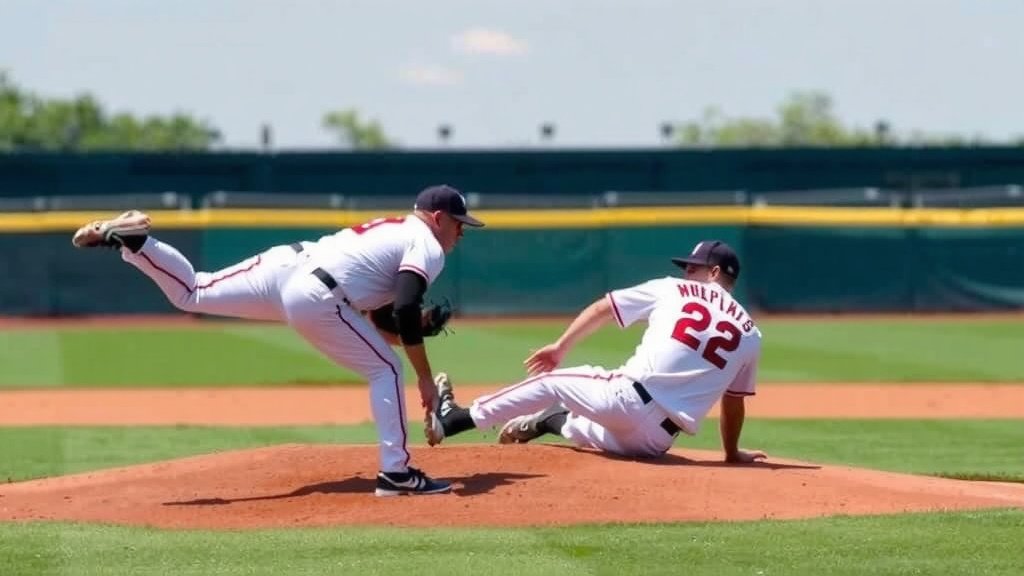
Drills to Practice Covering First
You can’t think your way through this play during a game. It has to live in your legs. Here’s a checklist of drills many coaches use:
- Shadow drill: Simulate a pitch, then sprint to the bag with no ball. Ten reps.
- Flip drill: Coach or teammate hits soft grounders to the right side; you cover and take the throw.
- Bounce drill: Partner throws off-target balls while you practice catching and holding the bag.
- Bunt race drill: Time yourself covering on a bunt — beat the runner every time.
- Communication drill: Run plays with your infield and call out coverage before every pitch.
- Angle drill: Work on approaching the bag from the inside lane without breaking stride.
Fifteen minutes on these a couple of times a week beats an hour of long toss. Muscle memory in the legs is what makes this play boring — and boring is exactly what you want.
A Quick Note on Staying Healthy
Sprinting full-speed with cold legs is a recipe for a hamstring you’ll be complaining about all summer. Warm up properly before practice and games. The CDC recommends a dynamic warm-up before any running activity, and pitchers are no exception (CDC).
If you feel a pull or tightness while sprinting to the bag, stop. No out is worth a two-month injury. The Mayo Clinic notes that hamstring strains are among the most common muscle injuries in running sports, and they love to happen when you go from standing still to full sprint (Mayo Clinic).
Conclusion
Covering first base isn’t about athleticism — it’s about anticipation and repetition. Read the ball off the bat, take your step toward the right side, communicate with your first baseman, and sprint down the inside of the baseline. Catch with two hands, touch the bag, and the out is yours. The best pitchers make this play look routine because they’ve drilled it until their legs take over. So here’s your next step: grab a teammate, run the shadow and flip drills this week, and keep it up until covering first feels as automatic as your windup. Your defense will thank you.
Frequently Asked Questions
Do pitchers have to cover first base in Little League?
Yes, and it’s a great habit to build early. Many youth coaches teach it right away because kids who learn it young never struggle with it later. Even if your league rarely makes the play, practicing it builds good instincts.
What if the first baseman and I both go for the ball?
The fielder closest to the ball takes it, and the other one covers the bag. Call it out loud the instant you see the play develop — shout “I’ve got the bag!” or “Take it!” Loud beats lucky every time.
Can a pitcher touch first base with just his foot, or does he need the ball?
You need the ball in your possession when you touch the base. Holding the ball in your glove hand while your foot hits the bag counts. Touching the bag empty-handed does nothing for you.
Should a left-handed pitcher cover first differently?
The fundamentals stay the same, but your foot on the bag switches — a lefty plants the right foot. Some lefty pitchers also field bunts more naturally since their glove-side momentum carries them toward first. Run the drills both ways until it feels normal.
What do I do if the throw pulls me off the base?
Keep your foot on the bag as long as possible and stretch toward the throw with your glove side. If the ball takes you completely off, catch it, then step back and tag the base yourself. Practice this in the bounce drill so it’s second nature.