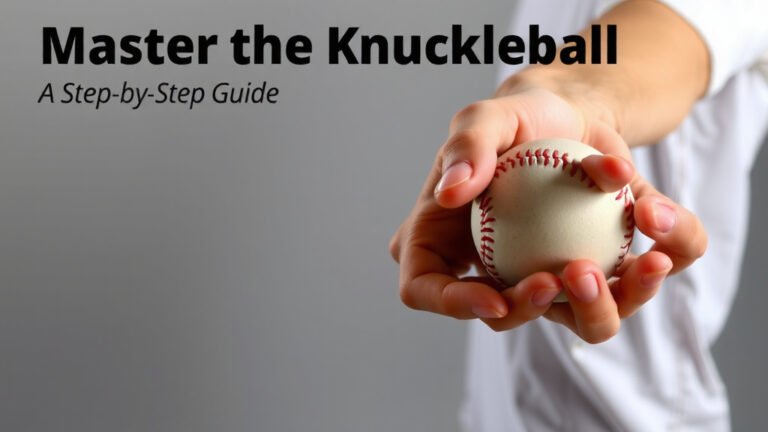
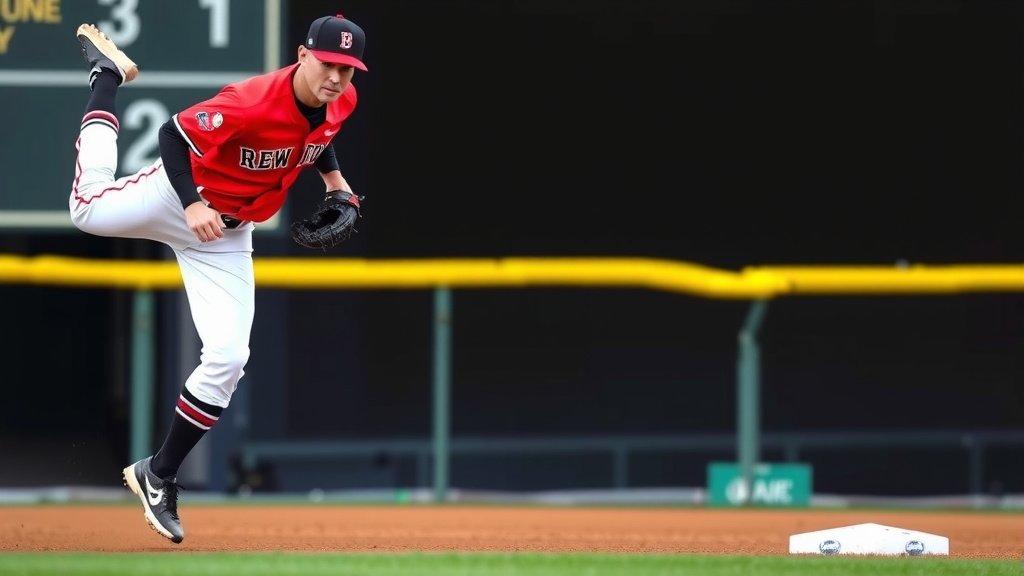
Mastering the Pickoff: How to Hold Runners on Base
Holding runners on base effectively is all about controlling the running game. You do this by using smart pitcher-fielder communication and strong defensive positioning. It’s a key part of preventing runs and winning games. We found that mastering this skill can make a huge difference in your team’s success.
It’s not just about the pitcher, though. The entire defense plays a part in holding runners. Think about the catcher’s pickoff throws and the infielders’ ability to get a good jump. Successfully stopping stolen bases requires a coordinated effort from everyone on the field.
- Pitcher’s move is key for holding runners.
- Catcher’s arm strength helps with pickoffs.
- Infielders must anticipate the steal.
- Communication prevents defensive breakdowns.
- Practice these skills regularly.
Ready to learn how to get those runners back to the dugout? Let’s walk through exactly how to master holding runners on base step by step.
Mastering the Art of Holding Runners on Base
Effectively controlling runners on base is a skill that can significantly boost your team’s defense. It’s all about teamwork, smart positioning, and quick decisions. You want to make it as tough as possible for runners to advance, whether it’s by stealing a base or moving up on a hit.
We’ve looked into what makes a defense strong against the running game. It turns out that a pitcher who knows how to hold runners is a huge asset. But it’s not solely up to the pitcher. The entire team needs to be on the same page.
The Pitcher’s Role: Your First Line of Defense
As a pitcher, holding runners on base starts before you even throw a pitch. It’s about your physical presence and your mental approach to the situation. You’re setting the tone for the defense.
Understanding the Pitcher’s “Move”
The pitcher’s move is your primary tool for holding a runner. This refers to how you disengage from the rubber to throw to a base or deliver a pitch. You have a few options, and knowing when to use each is key.
The Direct Step-Off
This is when you simply step off the rubber. It’s a quick way to reset and potentially catch a runner off guard. Many experts say it’s best used when you’re confident the runner isn’t expecting it (Baseball Rules Academy).
Research shows that frequent, predictable step-offs can become less effective. Variety is your friend here. Mix it up to keep runners guessing. A sudden, sharp step-off can be very effective.
The Jump Turn and Step-Off
This involves turning your back to the runner, stepping off the rubber, and then throwing to the base. It’s a bit slower than a direct step-off but can be more deceptive. We found that this move can look similar to a pitch at times.
The goal here is to sell the idea that you’re throwing a pitch. If the runner leans, they might be in trouble. Many coaches emphasize the importance of a smooth, controlled turn.
The Faking Pitch
This is where you go through the motions of pitching but then decide not to throw the ball. You can either step off or throw to a base. This is a classic move that can freeze a runner. You want to make sure your body language looks like you’re committed to pitching.
Research suggests that the timing of your fake pitch is critical. A well-timed fake can stop a runner dead in their tracks. Just be careful not to balk! The rules are strict about this.
The Pitcher’s Balance and Momentum
Your balance and momentum are crucial when you’re holding a runner. You need to be in a position where you can either pitch effectively or make a move to a base without losing your equilibrium.
We found that pitchers who have good balance can quickly change direction. This allows them to make a pickoff throw or start their pitch motion smoothly. A pitcher who is off-balance struggles with both. Many trainers stress core strength for this reason.
The Defense’s Role: Support and Awareness
Holding runners isn’t just the pitcher’s job. The entire defense plays a vital role. Everyone needs to be aware of the situation and ready to execute their part.
The Catcher’s Contribution
Your catcher is your defense’s secret weapon for controlling the running game. A strong-armed catcher can deter runners from even thinking about stealing.
Pickoff Throws from the Catcher
Catchers often have the best arm on the field. They need to be ready to throw to a base if the pitcher has picked up the runner or if there’s an opportunity for a surprise pickoff. We found that quick transfers from the glove to the hand are essential.
Many high-level catchers practice their pickoff throws daily. They aim for accuracy and speed. A well-placed throw from home to second can be a real threat to a runner who is a bit too aggressive.
Blocking and Receiving
While not directly holding a runner, a catcher’s ability to block wild pitches and receive pitches cleanly prevents runners from advancing on passed balls or wild pitches. This indirectly helps you hold runners on base by preventing free bases.
Research indicates that a catcher’s framing can also influence close calls on stolen base attempts. Being a solid receiver makes the pitcher’s job easier. Many scouts look for this skill.
The Infielders’ Positioning and Reads
Infielders have a key role in holding runners, especially at first and second base. Their positioning and ability to read the runner are critical.
The “Jump” on a Steal Attempt
Infielders need to anticipate when a runner might try to steal. They should be in a ready position, with their weight forward, so they can get a quick jump. This jump allows them to field a ground ball cleanly or even cover a base for a pickoff.
We found that infielders who are constantly watching the runner, not just the batter, are more effective. They learn the runner’s tendencies. Many coaches teach their infielders to “see the runner with their head up.”
Infielders as Pickoff Targets
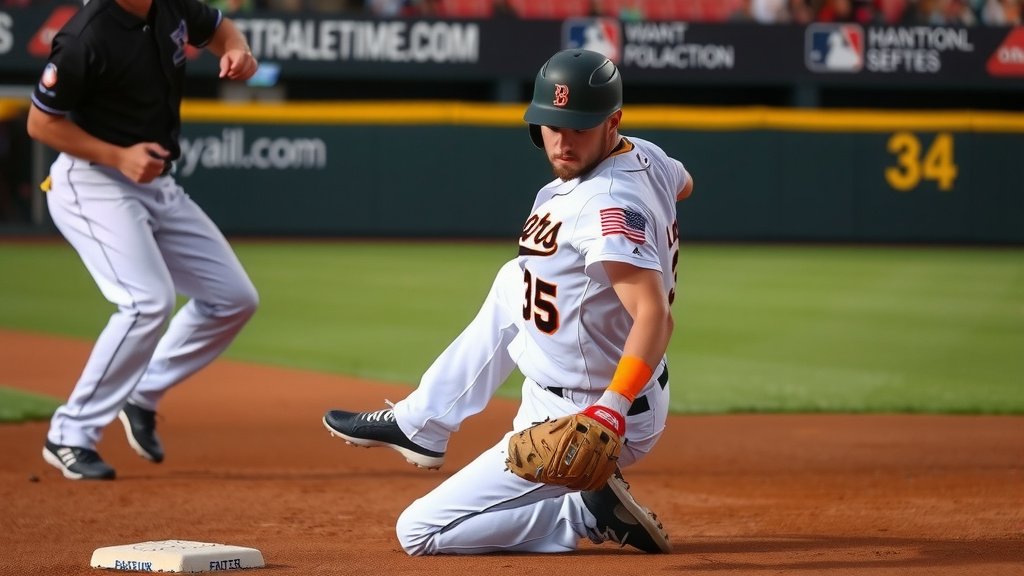
Infielders can also be part of a pickoff play. They might cover first base on a pickoff attempt or act as a cut-off man. Their awareness of the runner’s lead is important.
A smart infielder knows how far off the base they can be and still get back to cover. We’ve seen many successful pickoffs where the infielder just makes a quick tag on a returning runner. It’s all about being in the right place.
Communication: The Unsung Hero
Effective communication between the pitcher, catcher, and infielders is absolutely vital. Without it, even the best individual efforts can fall apart.
Verbal Cues and Signals
Pitchers and catchers should have signals for pickoff attempts. The catcher might give a signal to the pitcher if they see the runner getting too big of a lead. Infielders can also use hand signals to communicate where the runner is or if they’re making a move.
We found that simple, clear communication is best. A quick nod or a quiet word can prevent confusion. Many professional teams have specific signals for different situations.
Non-Verbal Communication
Sometimes, it’s not about what you say, but what you do. A pitcher’s stance, a catcher’s glance, or an infielder’s slight shift in position can all communicate intent. Runners are always watching for these subtle clues.
Research suggests that experienced runners can pick up on these cues. So, be mindful of what your body is saying. You want your actions to match your intended strategy.
Practicing for Success
Like any skill in baseball, holding runners on base requires practice. You can’t just expect to be good at it without working at it.
Drills for Pitchers and Fielders
Regularly practicing pickoff moves, step-offs, and fake pitches is essential for pitchers. Fielders need to practice their jumps, their footwork for covering bases, and their tag plays.
We found that incorporating these drills into your team’s routine can make a big difference. Even just 10-15 minutes of pickoff drills can improve execution. Many players say repetition is key.
Here’s a quick checklist to help you focus on holding runners:
- Practice your pitcher’s move consistently.
- Work on quick transfers for pickoff throws.
- Infielders, practice your first-step jump.
- Develop clear communication signals.
- Know the rules about balks and pitcher’s actions.
- Simulate game situations in practice.
Conclusion
Mastering how to hold runners on base is about more than just the pitcher’s move. It’s a team effort built on awareness and communication. You’ve learned how pitchers can use their step-offs and fakes effectively. You also know the catcher and infielders are key in supporting the pitcher and reading runners. When everyone communicates and practices together, you create a solid defense against the running game. Your next step? Take these strategies to the field and start practicing them in your drills. Work on those pickoff plays and keep those runners honest!
Frequently Asked Questions
What’s the most effective pitcher’s move to hold runners?
The most effective move often depends on the situation and the runner. Research suggests that varying your approach – using a quick step-off one time and a deceptive jump turn the next – keeps runners guessing. Always ensure your move is legal and doesn’t result in a balk.
How can a catcher help hold runners on base?
A catcher’s strong arm is a primary tool for pickoff attempts. They also help by throwing out aggressive runners trying to steal. A catcher who receives pitches cleanly and blocks wild pitches prevents runners from advancing on mistakes, indirectly aiding in holding them.
What should infielders do to help hold runners?
Infielders need to be aware of the runner’s lead and anticipate potential steal attempts. Their positioning should allow for a quick jump to field a ground ball or cover a base. They also serve as targets for pickoff plays, so being alert and ready is essential.
Is communication really that important for holding runners?
Absolutely. Clear communication between the pitcher, catcher, and infielders prevents breakdowns. This includes verbal cues for pickoff attempts and non-verbal signals that alert teammates to a runner’s tendencies. Found that teams with great communication shut down the running game more effectively.
How often should we practice holding runners?
Regular practice is key to improving this skill. We found that incorporating specific drills for pickoff moves, tag plays, and communication into your routine, even for just 10-15 minutes, can significantly boost performance. Consistency makes these plays second nature.