
How to Anticipate the Next Pitch: A Hitter’s Guide
Anticipating the next pitch comes down to reading three things before the ball is even thrown: the count, the pitcher’s tendencies, and your own pitch expectations. Great hitters don’t have faster reflexes than everyone else. They just make better guesses earlier.
Many experts say hitting is really a guessing game played with information, not luck. When you track pitch patterns, study what a pitcher throws in certain counts, and watch for release-point clues, you give your brain a head start. And in baseball, a head start is everything. Ever wonder why some players always seem “caught in between”? They usually stopped reading the situation.
- How pitch counts tell you what’s coming more often than you’d think
- The simple patterns most pitchers fall into without realizing it
- Body-language and release-point cues you can pick up from the batter’s box
- Why your own timing and approach set you up to swing at the right pitch
- Easy drills and research-backed habits to sharpen your pitch recognition
Below, we break down everything you need to know about anticipating the next pitch, step by step. Grab your batting gloves, and let’s get you reading pitchers like a season ticket holder reads the box score.
Reading a Pitcher: What to Watch Before the Ball Leaves His Hand
You read pitchers two ways: with your eyes on the mound and with your memory of what he’s already thrown. Both matter, and both can be learned. The best part? You can start today, even if you’re just playing weekend ball.
Start With the Count — It Tells You More Than You Think
Pitchers are creatures of habit, and the count is where habits show up first. When you’re ahead 2-0 or 3-1, expect the fastball. When you’re behind 0-2 or 1-2, expect him to throw his “put-away” pitch.
We found that most pitchers at every level lean heavily on their best pitch in dirt-ball counts. Coaches call this “pitching backwards” when they break the pattern, which is exactly why you need to notice each pitcher’s personal version of it.
Build a Mental Cheat Sheet in Your First At-Bat
Your first plate appearance is homework time. Don’t worry about results. Worry about information gathering.
- What pitch did he throw for strike one?
- Did he throw breaking balls for strikes, or only to finish you?
- Where does he miss when he misses?
- Does he speed up or slow down with runners on?
By your second at-bat, you’ve got a rough script in your head. That’s not cheating. That’s called being prepared.
Pitch Tendencies and Patterns Most Hitters Miss
Patterns hide in plain sight. Many experts say pitchers repeat sequences without even knowing it — fastball, fastball, slider, then fastball again when they need a strike.
Watch a few innings from the dugout and jot notes between trips to the water cooler. You’ll spot a guy who never throws two off-speed pitches in a row, or one who goes breaking ball the moment you flinch at fastball. These quirks are gold.
Scoreboard Situations That Scream “Fastball Coming”
Some moments practically wave a flag. Think about when a pitcher needs a strike badly — he’ll usually throw one.
| Situation | Most Likely Pitch | Why |
|---|---|---|
| 3-0 count | Fastball | He needs a strike and can’t afford a walk |
| 2-0 count | Fastball, mostly | Same pressure, slightly less urgent |
| 0-2 count | Off-speed or chase pitch | He’s hunting a swing and miss |
| Runner on second, two outs | Fastball | Avoiding a walk with first base open |
| First batter of an inning | Fastball | He wants to get ahead early |
None of this is a guarantee, and that’s fine. You’re playing odds, not fortune telling. Even a small edge in guessing correctly changes how fast the ball seems to travel.
When the Pattern Breaks
Here’s the trap: good pitchers know you know. They’ll throw a 3-0 changeup just to keep you honest. When a pattern breaks, don’t freeze up. Take your normal swing and adjust next time.
Think of it like a poker player who bluffs once. If you fold every hand afterward, he wins for free. Stay aggressive but informed.
Body-Language and Release-Point Cues From the Batter’s Box
Now we get to the fun stuff — the physical tells. Pitchers leak information constantly. Your job is to spot it without staring so hard that the fastball sails past you.
Research on expert hitters shows that skilled batters fixate on the pitcher’s release window and make decisions within the first fraction of a second of ball flight (studies published through the National Library of Medicine). In other words, your eyes need a job, not just a target.
The Grip, the Glove, and the Windup
Watch the hand as he comes set. Some pitchers change grip based on pitch — fingers spread wider for a fastball, tighter together for a changeup. Others tip pitches with their glove angle or how long they hold the ball at their chest.
Timing of the leg lift matters too. A quicker or slower stride can hint at velocity. Catchers and infielders notice these things all game. Why not you? Knowing typical pitch velocities at each level helps you judge what a quicker stride might signal.
Train Your Eyes, Not Just Your Swing
You don’t need a lab to get better at this. You need repetition and a plan.
- Watch bullpen sessions and call pitches out loud before release
- Sit catcher-side during games to see grips up close
- Use slow-motion video of upcoming opponents between starts
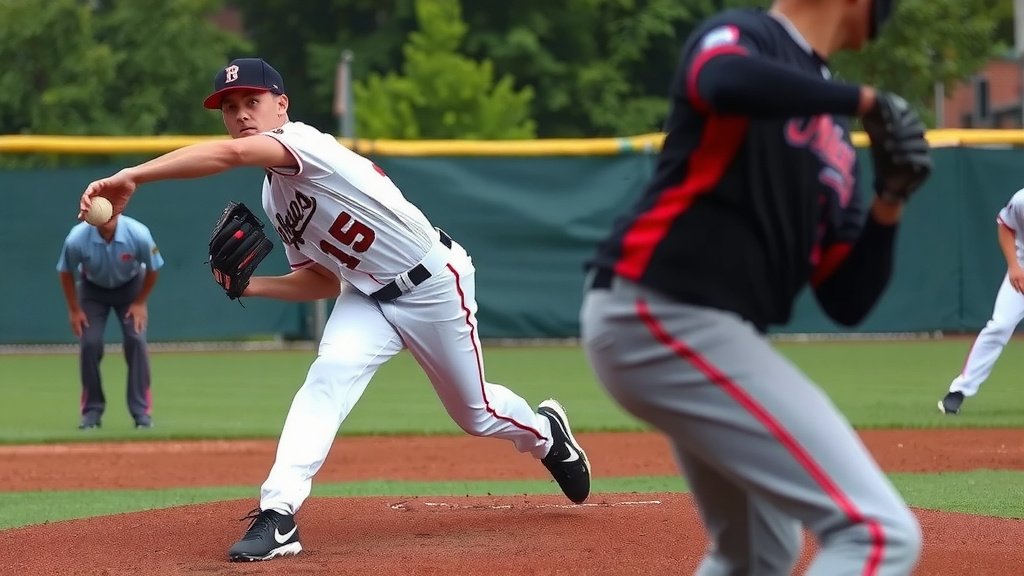
- Practice tracking the ball from release point, not from the pitcher’s face
Setting Your Own Expectations Before Every Pitch
Anticipation is a two-way street. The pitcher is guessing too. If you walk to the plate with no plan, you’re the one who gets caught in between — late on fastballs, fooled by breaking balls, swinging at everything.
Many hitting coaches teach a simple rule: expect your pitch, adjust to theirs. Sit fastball until you’re forced to change. That single mental shortcut clears up half the hesitation hitters feel.
Match Your Approach to the Situation
Context shapes the plan. Two outs, runner on third? You’re looking for a pitch you can lift to the outfield. bases empty, 2-1 count? Attack the fastball.
Honest self-awareness helps here. We found that hitters who admit their weaknesses — say, low breaking balls — tend to hunt pitches they can handle instead of reacting to everything. That’s not timid. That’s smart.
Timing Routines Keep Your Head Quiet
A repeatable routine between pitches settles your nerves and keeps your eyes fresh. Step out, breathe, reset your grip, walk back in with one clear thought.
Sports psychology research, including work summarized by the American Psychological Association, supports the idea that routines reduce anxiety and improve focus under pressure. Your routine doesn’t need to look like anyone else’s. It just needs to be yours, every single time.
Drills and Habits to Sharpen Your Pitch Recognition
Skills fade without reps. Here’s a quick checklist you can run through each week to keep your reading game sharp.
- Call pitches during every game you watch, then check yourself
- Take at least 25 focused swings off a tee visualizing specific counts
- Review your own at-bat video weekly and note what tipped you off
- Play pitch-guessing games in soft toss or flips with a partner
- Track your guess accuracy over a month — progress keeps you honest
- Get proper sleep before games, since reaction time suffers without it (CDC)
Serious programs even use tools like eye-tracking and pitch-recognition apps to train hitters faster. The science on vision training is still growing, but the core idea holds up: the more pitch looks you get, the faster your brain sorts them.
Putting It All Together This Season
Start small. Pick one pitcher tendency and one release-point cue to focus on this week. Add more as each one becomes automatic.
Before long, you’ll walk to the plate already knowing what’s coming — or at least having a really good hunch. And honestly? That feeling of being one step ahead is half the fun of hitting.
Conclusion
You don’t need superhuman reflexes to hit well. You need a plan, a pair of trained eyes, and the discipline to stick with both. Reading the count, studying pitcher habits, and picking up small physical cues give you a real edge before the ball even leaves his hand. Add a repeatable routine and a few weekly drills, and your pitch recognition will keep growing every week you show up. So here’s your next step: pick one pitcher on your schedule and build a full read on him before your next at-bat. Write down his go-to pitches in key counts, then go prove yourself right.
Frequently Asked Questions
Can you really guess what pitch is coming in baseball?
You can make a smart, informed guess, and that’s often enough. No read is perfect, but research and found patterns show pitchers lean on certain pitches in certain counts far more than randomness would suggest. Think of it as playing the odds, not cheating.
How do MLB hitters pick up the ball so quickly?
Elite hitters train their eyes to track the ball from the release point and commit within a fraction of a second. Years of repetition let their brains sort pitch types faster than the average player. You can build the same skill with focused, deliberate looks.
What should I watch for if a pitcher is tipping pitches?
Look at his grip, glove angle, and how long he holds the ball at his chest. Some pitchers also change their stride length or tempo depending on the pitch. If something looks different between deliveries, trust it and adjust your swing.
Should I always sit on the fastball?
Sitting fastball works well when you’re ahead in the count or the pitcher needs a strike. But once he proves he’ll throw off-speed in those spots, you have to adjust. A good rule is to expect your pitch, then react to whatever actually comes.
How long does it take to get better at pitch recognition?
Most hitters notice real improvement within a few weeks of focused work. Try calling pitches during games you watch and tracking your accuracy over a month. Consistency matters more than talent here, so keep the reps coming.