How to Ice Your Arm After Pitching: A Recovery Guide
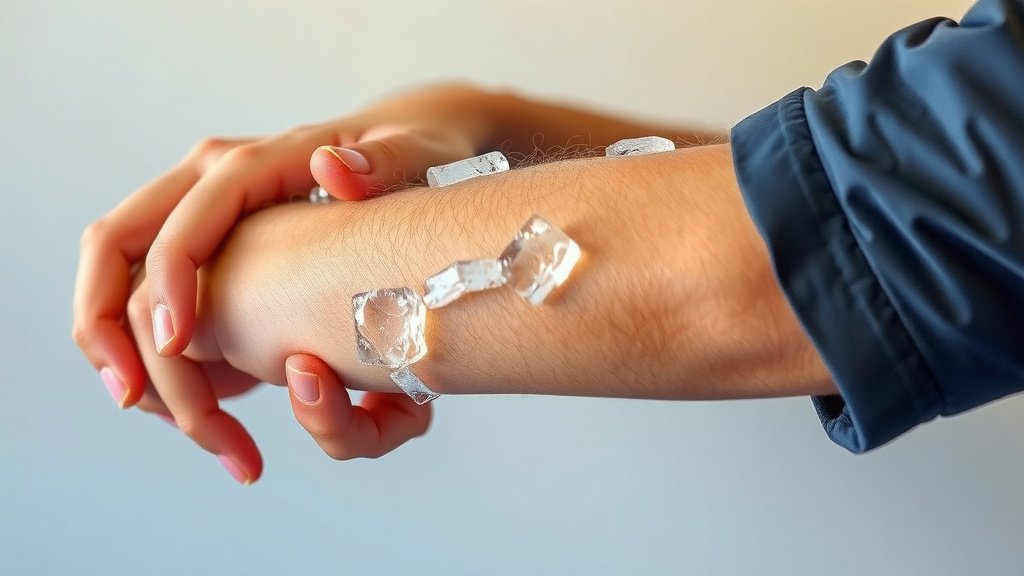
The best way to ice your arm after pitching is to apply an ice pack wrapped in a thin towel to your shoulder and elbow for 15 to 20 minutes. Ice the same spots right after you finish throwing and again later if needed. Keep your arm elevated while you ice to help reduce swelling.
Why bother with ice at all? Pitching puts a lot of stress on your arm, and that repeated throwing can leave muscles sore and tissues inflamed. Many experts say icing after throwing may help calm that inflammation and ease soreness, especially during long seasons with lots of games. It won’t fix poor mechanics, but it’s a simple habit that can keep your arm feeling fresher.
- When to ice: Right after pitching, while your arm is still warm and tired.
- How long: 15 to 20 minutes max — more isn’t better, trust us.
- How to do it: Wrap the ice pack in a towel, never place ice directly on skin.
- Where: Focus on your shoulder and elbow, the two spots that work hardest.
- Extra tip: Elevate your arm and rest it while you ice for the best results.
Below, we walk through exactly how to ice your arm step by step, plus a few mistakes we found that pitchers make all the time. Let’s get your arm the care it deserves!
Arm Icing After Pitching, Step by Step
Here’s the short version: grab an ice pack, wrap it in a thin towel, and park it on your shoulder and elbow for 15 to 20 minutes. That’s the whole core of it. Now let’s break down each step so you’re not guessing on the car ride home.
Step 1: Cool Down First
Don’t slap ice on a screaming-hot arm the second you walk off the mound. Walk around for five minutes. Let your heart rate settle and your breathing come back to normal.
Think of it like letting a hot pan cool before you rinse it. Sudden temperature changes on tired muscles can feel like a shock, and your body doesn’t need extra stress right now.
Step 2: Get Your Ice Setup Ready
You’ve got options, and none of them need to be fancy. We found that most pitchers use one of these:
- Ice pack — reusable gel packs are cheap and mold well around joints.
- Bag of crushed ice — the classic. A plastic bag with ice and a little water works great.
- Frozen peas — yes, really. They conform to your shoulder like a custom glove.
Whatever you pick, wrap it in a thin towel. Ice directly on skin can cause frostbite or nerve irritation (Cleveland Clinic warns about this with home cold therapy). The towel is your friend, not an optional extra.
Step 3: Apply Ice to the Right Spots
Your shoulder and elbow do most of the heavy lifting when you throw. Those are your targets. Some players also ice the forearm or wrist if those areas feel sore.
Lie down or sit back and let the pack rest on the spot. No need to press hard — gentle contact is enough. Prop your arm up on a pillow so it sits slightly above your heart. That helps fluid drain and reduces swelling.
How Long Should You Ice?
Fifteen to twenty minutes. Set a timer on your phone. We know it’s tempting to leave the pack on while you doom-scroll, but longer sessions can actually damage skin and nerves (Mayo Clinic). More ice is not more recovery.
Should You Ice Again Later?
If your arm still feels sore a few hours later, a second short session is fine. Just wait until your skin has returned to normal temperature first. Most guidelines suggest waiting at least an hour between icing sessions.
Why Ice Works (and What It Actually Does)
Ice narrows your blood vessels, which slows blood flow to the area. That numbs pain and can limit swelling in the hours after you throw. It’s like putting the brakes on inflammation before it gets loud.
Here’s the honest part: the research is mixed. Some studies question whether icing helps long-term recovery, while many trainers and team medical staff still recommend it for managing soreness during busy seasons. The NIH notes that cold therapy is widely used for pain relief after exercise, even as the science keeps evolving.
Our take? It’s a low-risk habit that many players feel helps. If your arm feels better after icing, that counts for something.
When Ice Isn’t the Answer
Ice is for soreness, not injury. If you notice any of these, stop icing and talk to a doctor or athletic trainer:
- Pain that gets sharper instead of fading
- Numbness or tingling that doesn’t go away
- Swelling that shows up hours later and keeps growing
- Trouble lifting your arm overhead the next day
Sore muscles ache in a dull, familiar way. Injuries feel wrong. Trust your gut on the difference — and when in doubt, get it checked.
Icing Timing: Before, During, or After Pitching?
After. Always after. Icing before you pitch stiffens muscles and can mess with your mechanics. You want warm, loose muscles when you throw, not cold, sleepy ones.
During the game? Same rule. Save the ice for the ride home. Your body needs to stay ready while you’re still throwing.
| Timing | Good idea? | Why |
|---|---|---|
| Before pitching | No | Stiffens muscles and raises injury risk |
| Between innings | No | Your arm needs warmth to keep throwing |
| Right after pitching | Yes | Best window to calm soreness and swelling |
| Later that evening | Yes | Helpful if soreness lingers |
Pre-Game vs. Post-Game Arm Care
Icing is only half the picture. What you do before you throw matters just as much — maybe more. We found that teams with structured warm-up routines see fewer arm complaints across a season. Our beginner pitcher’s guide to arm care walks through conditioning your arm before you ever take the mound.
Before You Pitch
Warm up with light throwing, arm circles, and band work for about 10 to 15 minutes. Get blood flowing to the shoulder and elbow. Heat and movement before, cold and stillness after — it’s a simple rhythm once you learn it.
After You Pitch
Follow your cool-down with icing, light stretching the next day, and honest rest. Don’t pick up a ball again until the soreness fades. If your arm still hurts two days later, that’s your body asking for more time.
Common Icing Mistakes to Avoid
We’ve watched plenty of players fumble this, and it’s almost always the same small errors. Here’s your quick checklist:
- Skip the towel? No — always put a barrier between ice and skin.
- Ice for 45 minutes? No — cap it at 20 minutes.
- Ice a numb or pale patch of skin? No — remove the pack immediately.
- Ice while texting with your arm hanging down? No — support the arm and keep it raised.
- Ice an injury that needs a doctor? No — get it looked at first.
One more we see a lot: icing a fresh bruise or swelling without knowing what caused it. Ice can hide pain signals that are actually your body’s warning system. Diagnose first, chill second.
Other Recovery Tips That Pair Well With Ice
Ice works best as part of a bigger routine. Think of it as one player on a team, not the whole roster.
Hydration and Sleep
Drink water after pitching. Muscles recover faster when they’re not dehydrated, and the CDC highlights sleep as one of the best recovery tools athletes have. Aim for a consistent bedtime, especially after games.
Light Movement the Next Day
Don’t couch-lock your arm for 24 hours. Gentle range-of-motion movements — easy arm circles, light stretching — keep blood moving without adding stress. Total stillness usually slows recovery more than it helps.
Know Your Pitch Count
Most arm problems come from throwing too much, not from skipping ice. Follow your league’s pitch count rules and rest-day guidelines. Youth baseball organizations publish recommended limits, and sticking to them does more for your arm than any ice pack ever will.
Building a Simple Post-Pitching Routine
Want to make all this automatic? Here’s a routine you can run after every outing:
- Minute 0–5: Walk, breathe, and let your arm cool down naturally.
- Minute 5–25: Ice your shoulder and elbow with a towel barrier, arm propped up.
- Minute 25–30: Gentle shoulder and elbow stretches once the skin warms back up.
- That evening: Hydrate, eat a solid meal, and sleep like it’s your job.
- Next day: Light stretching and movement — no hard throwing.
That’s it. Fifteen or twenty minutes of care after each outing, and your arm will thank you deep into the season. Your shoulder doesn’t ask for much — a little ice, a little rest, and a break when it earns one.
Conclusion
Icing your arm after pitching is one of the simplest habits you can build. Remember the basics: ice your shoulder and elbow for 15 to 20 minutes with a towel barrier, keep your arm raised, and always ice after you throw, never before. Pair it with hydration, solid sleep, and smart pitch counts, and you’ve got a routine that protects your arm all season long.
We found that the pitchers who recover best aren’t the ones with fancy equipment — they’re the ones who show up with a consistent plan. Your next step? Pack a gel ice pack and a small towel in your bag before your next outing, so post-game care starts the moment you walk off the field.
Frequently Asked Questions
Can I use a cold compression sleeve instead of a regular ice pack?
Yes, you can. Compression sleeves with ice pockets work well because they hold the pack in place while you relax. Just keep the same 15 to 20 minute limit and use a barrier layer if the sleeve sits directly on your skin.
Should my arm feel numb while icing?
A little tingling or numbness is normal after a few minutes of cold. If the area goes completely numb early, feels burning, or the skin turns pale or bright red, take the pack off right away. Those are signs the ice is doing more harm than good.
Is it okay to ice my arm while riding home from the game?
It’s fine if you can keep the pack on properly and your arm supported. The problem comes when the pack slides around or your arm dangles below your heart. If you can’t prop your arm up in the car, wait until you’re home.
Do younger pitchers need to ice differently than adults?
Kids’ skin is more sensitive to cold, so shorter sessions of 10 to 15 minutes are a safer bet. Young pitchers should also check with a parent, coach, or trainer before making ice a regular habit. The bigger priority at a young age is following pitch count limits.
What should I do if my arm still hurts two days after pitching?
Don’t just keep icing and hoping it goes away. Soreness that hangs around past 48 hours deserves a look from a doctor or athletic trainer. Continuing to throw through lingering pain is how small problems turn into big ones.