Boost Pitching Velocity: Proven Drills and Techniques
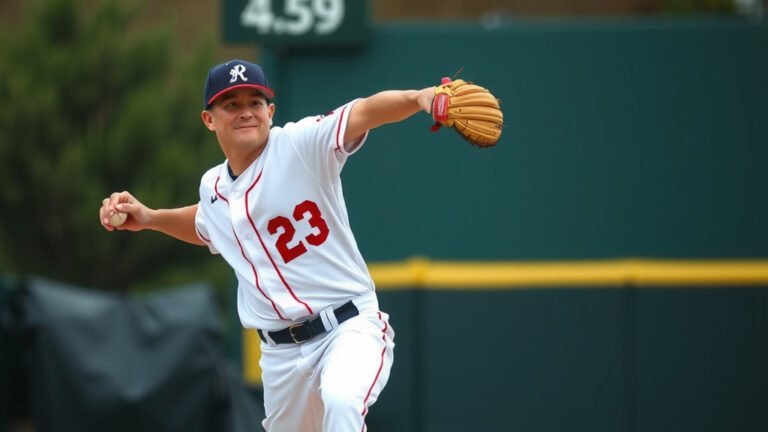
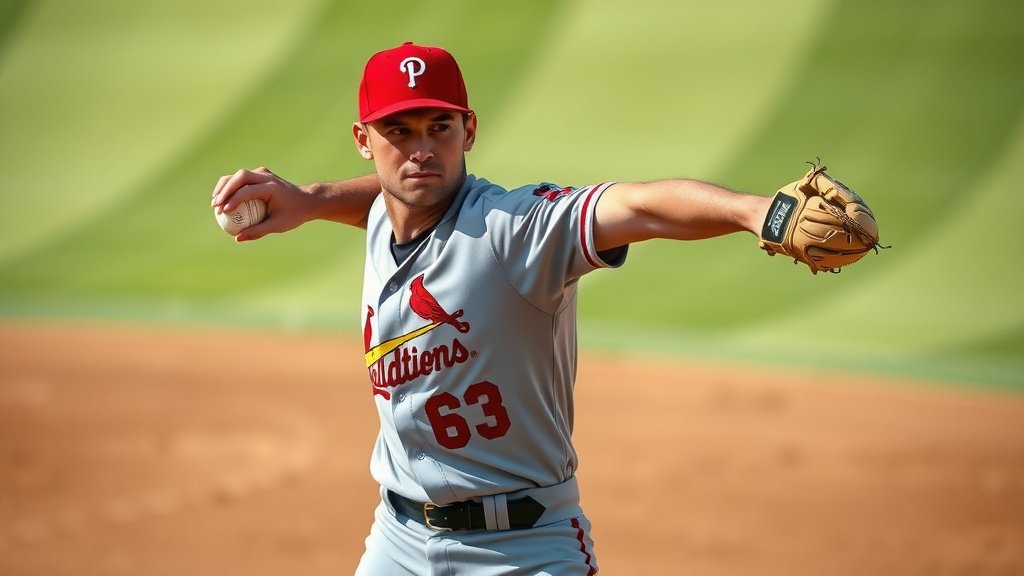
You can increase pitching velocity by focusing on proper mechanics, developing arm strength, and incorporating explosive movements. It’s not just about throwing harder; it’s about throwing smarter and with more efficiency. We’ve found that a combination of these elements is key to seeing real gains in your fastball.
Many pitchers wonder if they can naturally throw faster. The good news is that with targeted training, you absolutely can. We’ve seen that improving your core stability and leg drive plays a massive role. Plus, understanding the biomechanics of a powerful pitch can prevent injuries while boosting speed.
- Focus on your pitching mechanics.
- Build arm and shoulder strength safely.
- Improve your leg drive and core power.
- Incorporate explosive exercises.
Ready to learn how to add some serious heat to your fastball? Let’s break down the essential steps to help you pitch faster.
“`htmlBoosting Your Pitching Velocity: The Smart Way
So, you want to throw harder? That’s fantastic! Adding velocity to your pitches isn’t just about raw power. It’s a blend of smart training and efficient movement. We’ve found that focusing on how you move can make a huge difference in how fast the ball leaves your hand. Let’s get into the specifics of what actually works to increase your pitching velocity.
Mastering Your Pitching Mechanics for Speed
Your body is an amazing machine, and when it comes to pitching, every part needs to work together. Proper mechanics are the foundation for throwing harder and staying healthy. Think of it like building a house – you need a solid base before you start adding the upper floors.
The Kinetic Chain: Connecting Your Body
Pitching uses something called the kinetic chain. This means energy moves from your lower body, through your core, and all the way to your fingertips. If one link in this chain is weak or out of sync, you lose velocity. We found that a lot of pitchers focus only on arm strength, but that’s only part of the story.
- Leg Drive: Your legs are your power source. A strong, coordinated leg drive pushes you forward powerfully.
- Core Rotation: Your core is the engine. A strong, fast core rotation transfers energy from your legs to your arm.
- Arm Action: The arm slot and the speed of your arm swing are vital. Smooth, efficient arm action maximizes the energy transfer.
- Sequencing: The timing of each body part’s movement is critical. Everything needs to happen in the right order.
Common Mechanical Flaws That Kill Velocity
Are you losing speed because of how you’re throwing? Many pitchers struggle with similar issues. These can often be fixed with targeted drills and some expert advice. We’ve seen that even small adjustments can lead to noticeable gains.
Issues with Lower Half and Core
Sometimes the problem starts from the ground up. If your stride is too short or your back leg doesn’t drive properly, you won’t generate enough power. A weak or slow core rotation means less energy gets to your arm. Research points to a lack of hip-shoulder separation as a common culprit (American Baseball Institute).
Problems with Arm Path and Release
An “around the horn” arm circle or a late arm slot can significantly reduce velocity. We found that pitchers who drop their arm slot often have to compensate with more effort, leading to less speed and potential injury. Releasing the ball out in front of your body more effectively is also key.
Building Arm Strength Safely and Effectively
Arm strength is essential for velocity, but it’s also the most vulnerable part of the pitching motion. You need to build it up carefully to avoid injuries. Think of your arm like a high-performance engine – it needs the right kind of fuel and maintenance.
The Role of Throwing Programs
A structured throwing program is more than just playing catch. It’s designed to gradually increase the stress on your arm, building strength and endurance. Many coaches swear by programs that involve long toss and bullpens with rest periods.
- Long Toss: Gradually increasing the distance you throw helps build arm strength and arm-side velocity. It teaches your arm to work efficiently at different speeds.
- Bullpen Sessions: Simulating game situations with rest days between sessions allows your arm to recover while still working. We found that varying the intensity of these sessions is beneficial.
Strength Training for the Throwing Arm
Beyond throwing, specific strength exercises can support your arm. These exercises target the smaller muscles that help stabilize your shoulder and elbow. Many sports medicine experts recommend focusing on rotator cuff and scapular strength (National Strength and Conditioning Association).
Rotator Cuff Exercises
These small muscles are crucial for shoulder health and power. Exercises like external rotations and internal rotations with light weights or resistance bands are highly recommended. We’ve seen that consistent work here pays off.
Scapular Stability
Your shoulder blades are the foundation for your arm’s movement. Exercises like rows and pull-aparts help strengthen the muscles that control your scapula, providing a stable platform for your arm.
The Power of the Lower Half and Core
You’ve heard it before: pitching is a leg and core-driven sport. If you’re not maximizing your lower body and core, your arm is doing too much work. This leads to reduced velocity and increased injury risk. We found that pitchers with great leg drive look effortless.
Improving Your Leg Drive
Your legs are your foundation for generating momentum. A powerful stride and push-off can add significant velocity. It’s about creating a whip-like action that starts from the ground.
- Balance: Being able to balance on your landing leg is key for transferring energy.
- Explosive Push-off: The back leg needs to drive you forward powerfully and efficiently.
- Stride Length: A proper stride length helps with momentum and creates better angles.
Developing a Strong, Rotational Core
Your core muscles connect your upper and lower body. A strong core allows for maximum power transfer and prevents energy leaks. Think of it as the transmission in a car – it efficiently moves power from the engine (legs) to the wheels (arm).
We found that exercises focusing on rotational power are particularly effective for pitchers. These movements mimic the twisting action of throwing a baseball.
Core Exercises That Work
Consider incorporating exercises like medicine ball throws (rotational and overhead), Russian twists, and planks with variations. These build the strength and stability needed for explosive rotational movements. Research suggests that core strength is directly linked to throwing velocity (Journal of Strength and Conditioning Research).
Explosive Movements and Plyometrics
Once you have the foundational mechanics and strength, you can add explosiveness. Plyometric exercises train your muscles to produce maximum force in minimal time. This is exactly what you need for a powerful pitch.
What are Plyometrics?
Plyometrics are exercises that involve rapid stretching and contracting of muscles. Think of a rubber band: the more you stretch it, the further it snaps. Plyometrics train your body to absorb force and then release it explosively. We found that athletes who incorporate plyos see improvements in power and speed.
Plyometric Exercises for Pitchers
Not all plyometrics are created equal for pitchers. You want exercises that mimic the throwing motion and focus on lower body and core power.
- Box Jumps: These build explosive power in your legs.
- Medicine Ball Throws: Rotational and overhead throws improve core and upper body power transfer.
- Broad Jumps: These enhance your ability to generate forward power from your legs.
Always warm up thoroughly before performing plyometrics and start with lower intensity. We found that proper form is more important than how high or far you jump initially.
Putting It All Together: Your Velocity Checklist
Ready to put this into action? Here’s a quick rundown of what to focus on to increase your pitching velocity:
- Master your pitching mechanics for optimal kinetic chain function.
- Build safe arm strength with a structured throwing program.
- Strengthen your rotator cuff and scapular muscles.
- Maximize your leg drive and create powerful lower-body momentum.
- Develop a strong, rotational core for efficient energy transfer.
- Incorporate targeted plyometric exercises to add explosiveness.
Remember, consistency is key. Making small, smart improvements over time will lead to the biggest gains in velocity and overall pitching performance.
“`Conclusion
Boosting your pitching velocity is all about smart, consistent training. You’ve learned that mastering your mechanics, building safe arm strength, and utilizing your lower half and core are the cornerstones. Adding explosive movements can then help you translate that strength into raw speed. Remember, it’s a journey of small improvements. Start by focusing on one or two areas you want to improve most, like your leg drive or core rotation, and build from there. You have the tools to make real gains – now it’s time to put them into practice.
Frequently Asked Questions
How long does it take to see an increase in pitching velocity?
The timeline varies greatly depending on your starting point, training consistency, and individual response. You might see small improvements in a few weeks, but significant gains often take several months of dedicated training. Focus on the process and celebrate consistent effort.
Can I increase velocity without getting injured?
Absolutely. The key is to prioritize proper mechanics and listen to your body. Building strength gradually and avoiding overtraining are essential. If you feel pain, stop and consult with a coach or medical professional. Smart training prevents injuries.
What’s the most important factor for increasing pitching velocity?
While all elements are important, many experts agree that efficient pitching mechanics are the most critical. If your body is moving correctly, you’ll generate more power with less effort and reduce injury risk. It ensures the kinetic chain functions properly.
Should I do strength training year-round?
It’s generally beneficial to maintain strength year-round, but intensity and focus should vary. During the season, you might focus more on maintenance and power. Off-season training can involve more hypertrophy and foundational strength building. Always tailor your program to your current training phase.
How much should I increase my throwing distance during long toss?
Increase your long toss distance gradually, maybe by 5-10 feet each session or week. The goal is to build arm strength and stretch your arm out, not to throw as hard as you can at maximum distance immediately. Focus on a smooth, powerful throw as you extend.