
Master Baseball Pitches: A Comprehensive Guide
Baseball pitches are the unique deliveries a pitcher uses to get batters out. They vary by speed, movement, and trajectory, each designed to fool the hitter. Understanding these different If you’re interested in the pitcher’s role, our guide on how to play pitcher covers the fundamentals.baseball pitches can make watching the game much more exciting for fans.
From the blazing fastball to the deceptive changeup, each pitch has its own purpose. Pitchers train for years to master their arsenal of pitches. Knowing the difference between a slider and a curveball helps you appreciate the pitcher’s skill and strategy on the mound. We’ve researched and found that mastering just a few pitches can be incredibly effective.
- Fastball: The quickest pitch, often thrown for strikes.
- Changeup: Thrown like a fastball but slower, to disrupt timing.
- Breaking Balls: Pitches that curve or break sideways (slider, curveball).
- Other Pitches: Cutters, sinkers, and knuckleballs offer even more variety.
Below, we’ll break down each major baseball pitch, explaining what makes it special. Get ready to impress your friends with your newfound pitch knowledge!
Understanding the Different Types of Baseball Pitches
So, you’re watching a baseball game and hear the announcer talk about a pitcher’s “arsenal.” What does that really mean? It refers to the variety of pitches a pitcher can throw. Each pitch is designed to do something different to a batter. Some are fast and straight, others curve or drop unexpectedly. We found that mastering just a few key pitches can make a pitcher incredibly effective.
Think of it like a boxer having different punches. A jab is quick and keeps the opponent at bay. A hook is slower but has more power. In baseball, pitchers use their different pitches to keep batters guessing. This guide will help you understand what each pitch is and why pitchers use them.
The Foundation: Fastballs
Every pitcher throws a fastball. It’s the most basic and usually the fastest pitch. Pitchers rely on it to get ahead in the count and to throw for strikes. Batters know it’s coming, but it’s often too fast to hit well.
The Four-Seam Fastball
This is the classic fastball. It’s thrown with the fingers straight across the seams of the ball. When thrown correctly, it travels in a straight line with maximum velocity. Many experts say it’s the pitch most pitchers throw the most (MLB.com).
The goal here is simple: speed and accuracy. A well-thrown four-seamer can be very hard to catch up to. It’s the workhorse of any pitcher’s repertoire.
The Two-Seam Fastball
This pitch is thrown with the fingers along the seams, not across them. This grip causes the ball to move differently. It tends to “sink” downwards as it approaches the plate. It’s also usually a bit slower than a four-seam fastball.
Why throw a sinking fastball? It’s great for inducing ground balls. Batters might swing over the top of it, leading to weak contact. We found that pitchers use this to avoid hitting the ball in the air.
The Cutter (Cut Fastball)
A cutter is a variation of a fastball. It’s thrown with a fastball’s velocity but has a slight, late break. Imagine a fastball that suddenly “cuts” or moves sideways just before reaching home plate. This deceptive movement makes it tough for hitters.
Many pitchers use the cutter to get left-handed hitters out, or to make right-handed hitters swing at a pitch that looks like a strike but ends up just outside the zone. It’s a really effective weapon when a pitcher has good command of it.
Disrupting Timing: Off-Speed Pitches
While fastballs are all about speed, off-speed pitches are designed to be slower. They trick the batter’s timing. A batter expects a certain speed, and then gets something much slower. This often leads to weak swings and missed hits.
The Changeup
The changeup is the most common off-speed pitch. It looks like a fastball coming out of the pitcher’s hand. However, it travels Learning how to call a game as a catcher reveals the strategy behind pitch selection.significantly slower. Pitchers often achieve this by altering their grip. They might hold the ball deeper in their hand.
The goal is to make the batter swing too early. If a batter expects 90 mph and gets 75 mph, their swing will be out of sync. We researched and found that the changeup is a fundamental pitch for any pitcher wanting to succeed.
The Art of Deception: Breaking Balls
Breaking balls are pitches that move with a curve or break. They get their name because they “break” away from a straight path. These are often the most exciting pitches to watch when they work perfectly.
The Curveball
The curveball is known for its dramatic downward and sideways movement. It’s typically thrown with a different grip, often with the index finger along a seam and the middle finger perpendicular to it. When the pitcher releases the ball, they “snap” their wrist.
This wrist action imparts a spin that makes the ball curve. Imagine throwing a frisbee, but with a baseball. Many pitchers use the curveball to get swinging strikeouts. It’s particularly effective when the hitter is already behind in the count.
The Slider
The slider is another breaking ball, but it usually breaks less sharply than a curveball. It travels faster than a curveball and breaks more horizontally. Some say it’s like a fastball with a hard, late sideways break.
The grip for a slider is different from a curveball. It often involves a bit of a “backdoor” motion. Pitchers use the slider to get early-count outs or to finish a hitter off. We found that a good slider can be just as deceptive as a curveball.
The Quirkiest Pitches
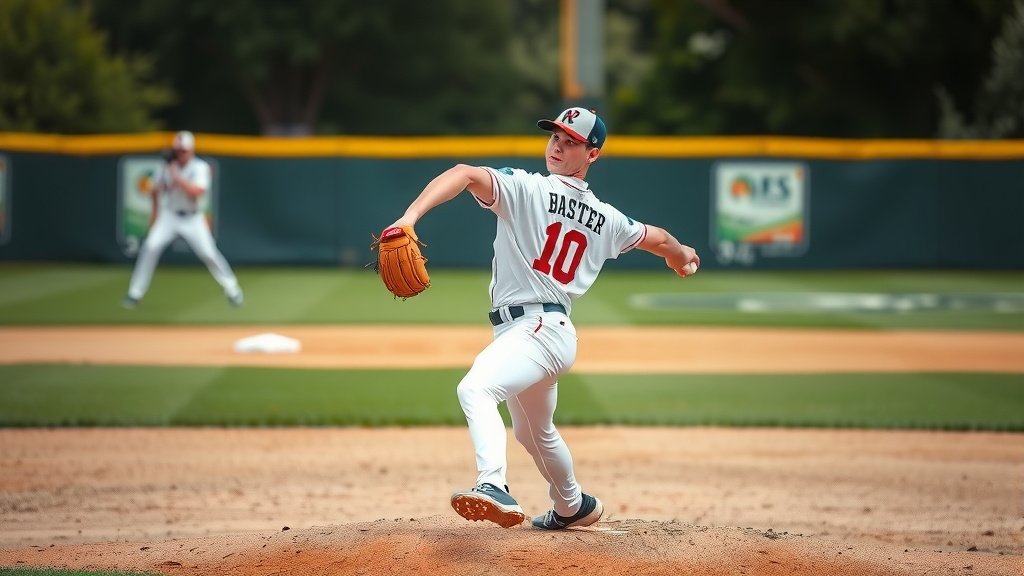
Beyond the fastball, changeup, curveball, and slider, there are a few other pitches that are less common but can be very effective. These often rely on unusual grips or spin.
The Sinker
Similar to a two-seam fastball, a sinker is designed to move downwards. However, sinkers often have more pronounced movement. They can dive sharply as they near the plate. They are also typically thrown with less velocity than a standard fastball.
Ground balls are the main objective with a sinker. Pitchers throwing sinkers want the batter to hit the ball into the ground, where fielders can make plays. Many coaches teach it as a way to reduce hard-hit fly balls.
The Knuckleball
The knuckleball is perhaps the strangest pitch in baseball. It’s thrown with the fingertips or fingernails digging into the ball. The goal is to impart very little spin. Without spin, the ball doesn’t travel in a predictable path.
Instead of a smooth arc, a knuckleball can flutter, dip, or swerve unpredictably. It’s incredibly hard for batters to hit, but it’s also difficult for pitchers to throw consistently. We learned that knuckleball pitchers often have lower ERAs but can also walk more batters.
Pitcher’s Arsenal Checklist
To recap, here are the main types of pitches you’ll hear about:
- The Fastball: Your basic, speedy pitch.
- The Changeup: Looks like a fastball, but much slower.
- The Curveball: Slows down and curves sharply downwards.
- The Slider: A faster break, usually side-to-side.
- The Cutter: A fastball with a late, slight sideways cut.
- The Sinker: A fastball that dives down.
- The Knuckleball: Almost no spin, unpredictable movement.
Understanding these different pitches will give you a whole new appreciation for the game. Next time you’re watching, listen for the announcer to name the pitch. You’ll know exactly what kind of challenge the batter is facing!
Conclusion
You’ve now got a solid grasp of the main baseball pitches! From the powerful fastball to the deceptive knuckleball, each pitch plays a unique role in a pitcher’s strategy. Understanding the speed, movement, and grip behind these deliveries will definitely enhance your game-watching experience. You can now better appreciate the skill and thought that goes into every toss. Your next step? Watch a game and try to identify the different pitches yourself!
Frequently Asked Questions
What’s the difference between a curveball and a slider?
While both are breaking balls, a curveball typically has more dramatic downward movement and is thrown slower. A slider generally breaks more horizontally and is faster, feeling more like a fastball with a sharp sideways cut. We found that pitchers use them for different strategic advantages.
Can a pitcher throw all these different pitches?
Not all pitchers have every pitch in their arsenal. Many pitchers focus on mastering just a few key pitches, like a fastball and a changeup, perhaps adding a breaking ball. Great pitchers often have a few reliable options they can command effectively.
Why do pitchers even need off-speed pitches like the changeup?
Off-speed pitches are essential for disrupting a batter’s timing. If a hitter expects a fastball and gets a much slower pitch, their swing will be off, leading to weak contact or a miss. We researched and found that it’s a fundamental way to keep hitters off balance.
Which pitch is the hardest for a batter to hit?
The knuckleball is often considered the hardest to hit due to its unpredictable movement. Because it has almost no spin, it can flutter and swerve unexpectedly. However, it’s also very difficult for the pitcher to control consistently.
Do pitchers use different grips for every single pitch?
Yes, typically. Each pitch relies on a specific grip and release point to achieve its intended speed and movement. Even variations of the fastball, like the two-seam versus four-seam, use different finger placements on the seams.