How to Play a Ball Off the Wall: Key Rules and Techniques
To play a ball off the wall, stand at a slight angle to the wall, toss or hit the ball toward it, and let the rebound angle do the work — the ball bounces back at roughly the same angle it came in. That’s the whole trick, whether you’re playing racquetball, squash, or just messing around in the driveway. Simple in theory, tricky in practice (we’ve all watched a ball zoom off in the wrong direction).
Here’s the thing: the wall is your partner, not your enemy. Many experts say the key is reading the angle of impact and adjusting your position before the ball comes back. We found that small tweaks — like softening your shot or aiming higher — make a huge difference in where the ball goes.
- Angle in, angle out — the ball bounces back at a similar angle.
- Your stance and grip set you up before the ball ever hits the wall.
- Softer shots are easier to control than hard smashes.
- Practice with one wall first before trying corners or ceilings.
- Safety matters — keep your eye on the ball at all times.
Below, we break down everything you need to know about playing a ball off the wall, step by step — so you can stop chasing wild rebounds and start having fun.
Playing the Ball Off the Wall: Step by Step
The fastest way to learn is to slow down. Toss the ball gently against the wall, watch how it comes back, and move to meet it. That’s the core loop — toss, watch, adjust, repeat.
We found that beginners who start with soft, slow reps improve faster than those swinging full force from day one. The wall gives honest feedback every single time.
Getting Your Stance and Position Right
Before the ball even moves, your body decides half the outcome. Stand facing the wall with your feet shoulder-width apart and knees slightly bent. Think of a shortstop waiting for a ground ball — ready, not stiff.
Keep about three to five feet between you and the wall. Too close and rebounds arrive fast and hot. Too far and you’re chasing everything like a dog after a squirrel.
Footwork Basics That Actually Help
Small shuffle steps beat big lunges. When the ball rebounds, take quick, light steps toward its path instead of reaching with your arm. Your legs do the work; your hands stay calm.
Many coaches stress staying on the balls of your feet (a common tip from USA Racquetball beginner guides). Heels glued to the floor makes movement feel sluggish.
Where to Stand for the Cleanest Rebound
Face the spot on the wall you want the ball to hit. If you aim across your body, the rebound will slice away from you. Straight-on throws come straight back — the easiest read for a beginner.
The Physics Made Simple: Angle In, Angle Out
Here’s the golden rule: the ball leaves the wall at roughly the same angle it arrived. Picture a pool ball banking off a cushion. Hit low and left, it returns low and left. Nothing mystical about it.
Two things tweak this basic rule. Spin on the ball changes the bounce, and a soft hit absorbs energy, shortening the rebound. A hard smash stays lively; a gentle toss dies quickly.
| Ball Speed at Impact | Rebound Behavior | Best For |
|---|---|---|
| Soft toss | Short, predictable bounce | Learning control |
| Medium pace | Balanced rebound, easy timing | Rally practice |
| Hard drive | Fast, long rebound | Advanced players |
Aiming: How to Control Where the Ball Goes
Pick your target before you swing. A strip of painter’s tape on the wall works great as a practice mark. Aim small, miss small, as the saying goes.
We found that aiming about knee-to-waist height gives the most forgiving rebounds. High shots jump off the wall with extra speed because they’re often coming down at a steeper angle.
Height Matters More Than You Think
Lower hits return quicker and flatter. Higher hits hang longer and drop sooner. Neither is wrong — they’re just tools. Vary your heights during practice so nothing surprises you later.
Choosing the Right Ball and Wall
Not every ball and wall combo plays nice. A squishy tennis ball is forgiving; a firm racquetball stings if you catch one in the shoulder. Start soft, work up.
- Tennis ball: slower, safer, ideal for total beginners.
- Racquetball: fast and lively, great once timing clicks.
- Squash ball: needs warming up before it bounces properly.
- Lacrosse or baseballs: skip these — too hard for walls without nets.
For the wall itself, look for smooth, solid surfaces. Driveway garage doors dent. Brick chews up balls. Handball and racquetball courts are perfect, but many parks have dedicated wall boards too.
Common Mistakes (and Easy Fixes)
Everyone botches their first hundred reps. That’s normal. The trick is catching mistakes early so they don’t become habits.
Watching the Wrong Thing
Many beginners stare at the wall instead of the ball. Keep your eye on the ball through contact and through the rebound. Eye injuries are real in wall sports, so protective eyewear is worth considering — many organizations recommend it for racquet sports (American Academy of Ophthalmology).
Swinging Too Hard
Power without control is just chaos. Cut your effort to 60% until rebounds land where you expect. Then add speed gradually.
The Chicken Wing Problem
If your elbow flares out and your swing looks like a flapping wing, you’ll lose accuracy. Keep your elbow closer to your body and swing through the ball, not at it.
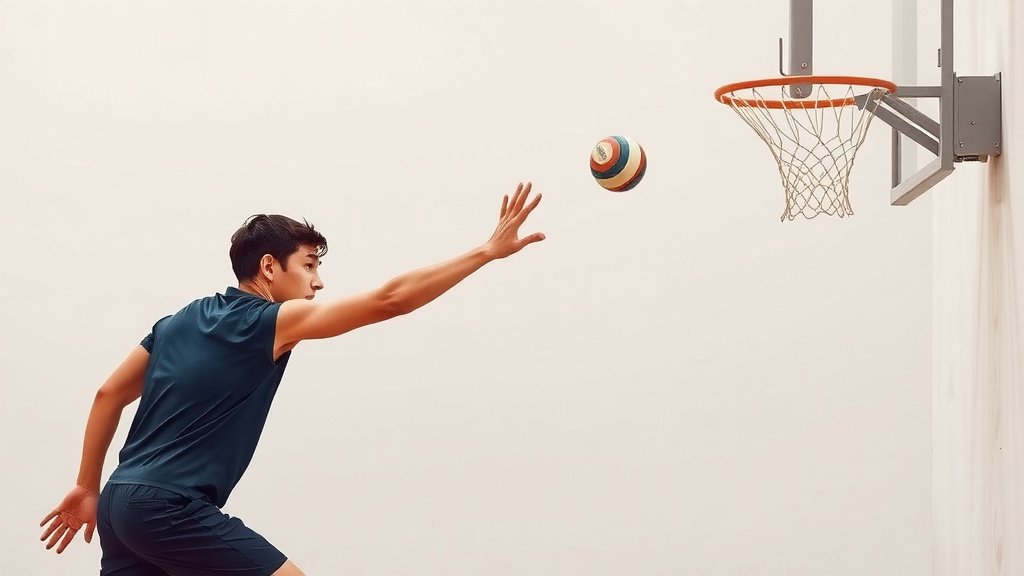
Drills to Build Skill Fast
Structured practice beats random hitting. Try these simple drills, ten minutes each, and you’ll feel the difference within a week.
- Toss-and-catch: Throw underhand, catch the rebound with the same hand. Fifty reps each side.
- Target rounds: Hit your tape marker five times in a row before switching heights.
- Left-right shuffle: Alternate forehand and backhand touches without stopping.
- Count rally: See how many consecutive returns you can keep alive. Beat your record.
- Move-after-hit: Return to center position after every touch, like a tennis player recovering.
We found the count rally drill builds both fitness and focus at once. Plus, it’s oddly addictive — just one more, right?
Safety First: Protecting Eyes, Hands, and Face
A ball bouncing off a wall travels fast — sometimes over 100 mph in competitive racquetball, according to USA Racquetball. Even casual play carries risk if you turn your back to a live ball.
Never face away from the rebound. Wear protective eyewear if you’re using a racquet. Warm up your shoulders and wrists before hard sessions, since sudden overhead motions can strain them (Mayo Clinic).
And give yourself space. Crowded garages with rakes, bikes, and garden tools turn a fun session into a trip to urgent care.
Your Quick-Start Practice Checklist
Print this mentally, then head to your nearest wall:
- Clear the area of tripping hazards and breakables.
- Start with a soft ball at 60% effort.
- Aim at a marked target at waist height.
- Shuffle your feet; don’t lunge or reach.
- Track consecutive returns to measure progress.
- Stop while you’re still having fun — fatigue breeds bad form.
When to Move Beyond One Wall
Once you can control rebounds consistently, corners and ceiling shots open up. Corner shots send the ball along two surfaces at once, creating tricky angles that mimic real game situations.
Take it slowly. We found that players who master straight rebounds first pick up corner play much faster. There’s no rush — the wall isn’t going anywhere, and neither are your skills once they stick.
Conclusion
Playing a ball off the wall comes down to a handful of basics you now know well: a solid stance, soft shots at first, and trust in the angle-in, angle-out rule. You’ve seen how footwork beats reaching, why a marked target sharpens your aim, and how the right ball keeps practice safe and fun. The wall gives you honest feedback every rep, so every session makes you better. Grab a tennis ball, find a smooth wall, and run the toss-and-catch drill for ten minutes today. Keep showing up, and those wild rebounds will turn into rally after rally.
Frequently Asked Questions
Can I practice against any wall, or do I need a special court?
You can use any smooth, solid surface that won’t damage easily. A garage door works if it’s sturdy, but courts and park wall boards are your best bet. Just make sure the area in front of the wall is clear of obstacles before you start.
How long does it take to get good at wall shots?
Most people feel comfortable with basic rebounds after a few short sessions. We found that consistent 15-minute practices beat occasional long ones. Expect solid control within a couple of weeks if you stick with it.
What’s the best sport for learning wall play as an adult?
Racquetball is a great starting point because the ball is lively and courts are widely available. Squash works too, but its ball needs warming up first. If you want something low-pressure, a tennis ball against a park wall is a perfectly good start.
Why does my ball die against the wall instead of bouncing back?
A soft hit absorbs most of its own energy, so there’s little left for the rebound. It can also happen if the wall is damp or the ball is worn out. Hit with slightly firmer pace and check that your ball still has its bounce.
Can kids learn to play off a wall safely?
Absolutely — it’s actually one of the safest ways to introduce kids to racquet and ball sports. Use a soft ball, keep the speed down, and pick a wall away from windows. Supervision during the first few sessions helps build good habits early.