Baseball Cleat Sizing Guide: Get the Perfect Fit Every Time
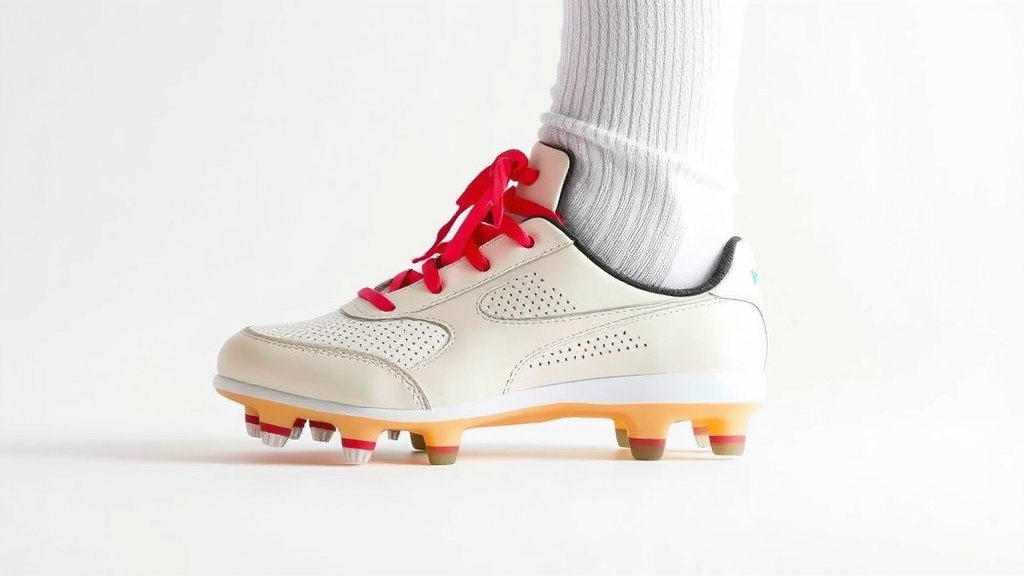
Baseball cleats should fit snug with about a thumbnail’s width of space at the toe. Most players wear cleats the same size as their regular athletic shoes, but some brands run a half size small. Getting this right matters, because the wrong fit can lead to blisters, sore feet, and sloppy sliding.
Here’s the thing: cleat sizing isn’t one-size-fits-all. Youth players, adults, men, and women all face slightly different fit challenges. We researched what coaches, parents, and fitting experts recommend, and we found a few simple rules that take the guesswork out of buying. Want to avoid the dreaded mid-season shoe swap?
- Most players should buy cleats in their normal shoe size or a half size up.
- Youth feet grow fast, so leave a little growing room without going overboard.
- Cleats should feel snug in the heel and toe box, with no pinching.
- Different brands fit differently, so always check the brand’s size chart.
- Try cleats on with baseball socks to get the truest fit.
Below, we break down everything you need to know about baseball cleat sizing, step by step, so you can order the right pair the first time and get back to playing ball.
How Baseball Cleats Should Actually Fit
Good cleats feel like a firm handshake, not a bear hug. Your toes should wiggle a little, your heel should stay locked in, and nothing should pinch. When we researched fit advice from podiatrists and equipment experts, one theme kept coming up: snug beats loose every time.
Why? Because loose cleats cause your foot to slide around. That sliding creates friction, and friction creates blisters. The Cleveland Clinic notes that most blisters come from repeated rubbing, which is exactly what a sloppy fit delivers over nine innings.
Here’s a quick way to picture it. Think of cleats like a seatbelt. You want them secure enough to hold you in place, but not so tight that you can’t breathe.
The Toe Test and the Heel Test
Slide your foot in and push your toes toward the front. You should feel about a thumbnail’s width between your longest toe and the tip of the shoe. Then stand up and walk around. Your heel should not lift or slip as you step.
Many experts say the heel test matters even more than the toe room. A loose heel means blisters on your Achilles tendon, and nobody wants that before a tournament weekend.
Signs Your Cleats Are Too Small
- Your toes press hard against the front of the shoe.
- You feel numbness or tingling after a few minutes.
- The sides of the shoe bulge over the sole.
- You can’t wiggle your toes at all.
Signs Your Cleats Are Too Big
- Your heel lifts when you walk.
- Your foot slides side to side during cuts and turns.
- You have more than a thumb’s width of toe space.
- You need to crank the laces super tight just to feel secure.
Measuring Your Feet the Right Way
Don’t guess your size. Trace and measure your foot, and you’ll save yourself a return shipping label. Most people have one foot slightly bigger than the other, so fit the larger foot.
We found that a simple paper method works as well as a fancy measuring device. Do it at the end of the day, because feet swell slightly after activity. That’s the same state they’ll be in by the third game of a doubleheader.
Step-by-Step Foot Measurement
- Place a piece of paper against a wall on a hard floor.
- Stand on the paper with your heel touching the wall.
- Mark the tip of your longest toe (yes, it might be your second toe).
- Measure the distance from the paper’s edge to your mark, in inches.
- Repeat for the other foot and use the bigger number.
- Check that measurement against the brand’s size chart.
Measure in inches, then convert to US shoe size using a chart from a trusted source. Many shoe brands publish charts based on NIH-referenced foot measurement standards, so you’re comparing apples to apples.
Youth Baseball Cleat Sizing
Kids’ feet are the wild card. According to the CDC, children’s feet can grow rapidly during growth spurts, sometimes jumping a shoe size in a single season. So how much growing room should you leave?
Most coaches and fitting guides suggest about half a thumb’s width of extra space for young players. That’s enough room to grow without the cleats flopping around. Anything more, and you’re asking for tripped feet and turned ankles.
How Much Growing Room Is Too Much?
If your kid can slide their foot forward and back like a slipper, size down. A good rule we found repeated across fitting guides: buy for today, with just a whisper of room for tomorrow. Cleats are safety gear, after all, not hand-me-downs waiting to happen.
Also, check the fit every couple of months during the season. Kids won’t always tell you their shoes hurt. They’ll just quietly play worse and blame the umpire.
Brand Differences and Sizing Charts
Here’s an annoying truth: a size 9 from one brand may feel like an 8.5 or a 9.5 from another. We compared sizing feedback across major cleat makers and found that brand variance is one of the top reasons cleats get returned.
| Brand Tendency | Common Feedback | What to Try |
|---|---|---|
| Runs small | Toes feel cramped | Go up a half size |
| Runs true | Fits like your sneakers | Order your normal size |
| Runs narrow | Side pressure on wide feet | Try a wide width option |
| Runs wide | Heel slip for slim feet | Size down or add a thicker sock |
Always check the specific model’s size chart, not just the brand name. Even within one brand, a low-cut turf shoe can fit differently than a metal-spike mid.
Sizing for Wide and Narrow Feet
If standard cleats squeeze your toes into a point, don’t suffer. Several brands offer wide (2E or 4E) versions of popular baseball models. Wide feet that get squeezed can develop bunions and calluses over time, per Mayo Clinic guidance on footwear and foot health.
Narrow feet have the opposite problem: heel slip and heel blisters. A mid-cut cleat or an added insole can fill the gap. Thick game-day socks help too, which brings us to the next point.

Try Them On With Baseball Socks
Never test cleats wearing thin ankle socks. Baseball socks are thick, and they change the fit. Put on your actual game socks, then lace up. If it feels snug but comfortable with the socks on, you’ve found your size.
This one tip prevents more returns than anything else we found. It’s like testing a wetsuit in the water instead of the dressing room.
Metal Cleats vs. Molded Cleats and Fit
Fit differences between these two are subtle but real. Metal cleats tend to have a slimmer, lower profile, and many players find they fit a touch snugger. Molded cleats often run a bit roomier in the toe box.
If you’re switching from molded to metal for the first time, expect a brief break-in period. Wear them around the house for a few practices before game day. Your feet will send you a thank-you card.
Breaking In New Cleats Without the Blisters
New cleats straight out of the box are like new jeans: stiff and stubborn. Wear them for short sessions first, 20 to 30 minutes at a time. Then build up to full practices. Once your cleats are sorted, our breakdown of baseball glove prices can help you budget for the rest of your gear.
Many experts say most cleats need two to four practices to mold to your foot. If something still hurts after a week, that’s a fit problem, not a break-in problem. Don’t tough it out. Swap them.
Your Pre-Purchase Cleat Checklist
Before you click “buy,” run through this quick list. We built it from the most common sizing mistakes we found in player reviews and fitting forums.
- Measured both feet at the end of the day
- Checked the specific model’s size chart, not just the brand
- Confirmed thumb-width toe space with game socks on
- Verified heel stays locked during a short walk test
- Reviewed the seller’s return and exchange policy
- Planned a break-in window before the first game
Nail these six items, and you’re ahead of most shoppers. Your feet, your batting average, and your post-game slide all thank you in advance.
Conclusion
Getting cleat sizing right comes down to a few simple moves. Measure both feet, fit the larger one, and aim for that thumbnail of toe space with your game socks on. Check the specific model’s size chart, since brands rarely agree on sizing. Kids need just a whisper of growing room, and wide or narrow feet have real solutions. Remember that break-in soreness fades, but pain from a bad fit doesn’t.
Your next step is easy: grab a piece of paper, measure your feet tonight, and check that number against the size chart before you order. Do that, and you’ll skip the returns and play ball in comfort all season.
Frequently Asked Questions
Should baseball cleats be the same size as regular shoes?
Usually, yes. Most players wear their normal athletic shoe size in cleats. But some brands and models run small or narrow, so always compare your foot measurement to that specific cleat’s size chart before buying.
Can I return cleats if I ordered the wrong size?
It depends on the seller, so check the return policy before you buy. Many online retailers accept returns on unworn shoes. Keep the box and tags intact, and try your cleats on indoors on a clean surface first.
Do baseball cleats stretch out over time?
Synthetic cleats stretch very little, while leather uppers may loosen slightly with wear. We found that most players shouldn’t count on much stretch at all. Buy for the fit you feel on day one, not the fit you hope for later.
How often should I replace youth baseball cleats?
Check the fit every couple of months during the season, and replace them once toes press the front or the sole studs wear down smooth. Growing kids often need a new pair every season or two.
Are metal cleats sized differently than molded cleats?
Slightly. Metal cleats usually have a slimmer, snugger fit, while molded cleats tend to run a bit roomier in the toe box. If you’re switching between the two, you may need a half-size adjustment, so try before you commit.