How to Add Movement to Your Fastball: 7 Pitcher Tips
You add movement to a fastball by changing your grip, finger pressure, and release point. Even a small tweak, like placing more pressure on one side of the ball, can make your fastball run, sink, or cut instead of flying straight.
Why does this matter? Because a straight fastball gets hit hard, while one that moves late can miss bats and weak contact. Many coaches and pitching experts we’ve researched agree that movement comes from spin and release, not throwing harder. The good news is you don’t need a new arm to get it. You just need to adjust how the ball leaves your hand.
- Four-seam grip gives you the most carry and “rise” look.
- Two-seam grip creates arm-side run and sink.
- Cutter-style pressure makes the ball break gloveside late.
- Release point and wrist angle fine-tune how much the ball moves.
- Small changes work best. Don’t rebuild your delivery overnight.
Let’s walk through each grip and technique step by step, so you can pick the movement style that fits your arm and start using it in your next outing.
Ways to Put More Movement on Your Fastball
The fastest way to add movement is to change where the ball sits in your hand and how your fingers leave it. We found that most pitchers see a visible change within a few bullpen sessions, not months. Start with one grip tweak at a time so your arm stays comfortable.
Think of your fastball like a bowling ball with finger holes. Shift your fingers even a quarter inch, and the ball does something completely different. Same effort, new result.
The Four-Seam Grip: Built for Carry
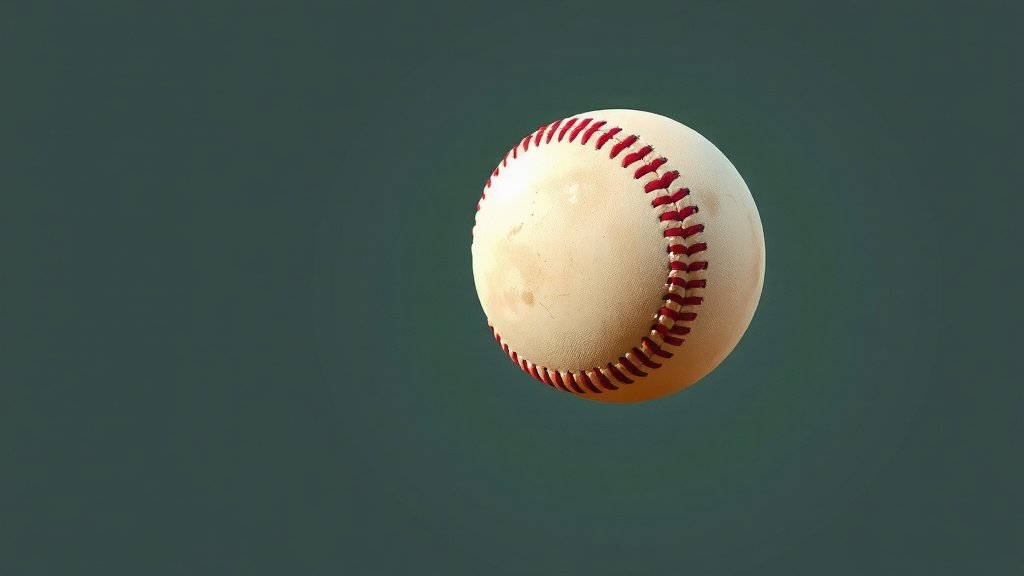
The four-seam fastball is your straightest but liveliest option. Place your index and middle fingers across the horseshoe seams, with each finger crossing two seams. When thrown with clean backspin, the ball appears to climb as it reaches the plate.
It doesn’t literally rise, of course. It just drops less than hitters expect, which fools them just as well. Many experts say keeping a relaxed wrist is the key here; a stiff wrist kills backspin fast.
Common Four-Seam Mistakes
- Gripping the ball too deep in the palm, which chokes spin.
- Squeezing with the thumb and killing your whip.
- Throwing across your body, which pulls the ball arm-side.
- Chasing velocity and losing release consistency.
The Two-Seam Grip: Run and Sink
Want ground balls? The two-seamer is your friend. Grip the ball along the two narrow seams, letting your index and middle fingers rest just off-center. That slight offset creates sidespin mixed with backspin.
The result: the ball runs in on a right-handed hitter’s hands and drops late. We found that catchers love calling this pitch when the hitter is expecting a straight heater up in the zone.
Finger Pressure Tricks for More Sink
Pressure is a quiet weapon. Try applying a bit more pressure with your index finger at release. Many pitching coaches call this “pressuring the ball,” and it tilts the spin axis without changing your arm slot.
You can also let the ball sit slightly deeper in your hand. That small change naturally reduces backspin and encourages tumble. Experiment gently, though. Your hand will tell you what feels repeatable.
Cutter Pressure: Late Gloveside Break
A cutter-style fastball gives you late break toward your glove side. Grip it like a two-seamer, then slide your middle finger slightly off the seam toward the outer edge. Throw it with your normal fastball arm speed.
The trick is doing nothing extra. If you try to “cut” the ball with your wrist, hitters will see it. Trust the grip and throw hard like it’s your regular fastball.
Release Point and Wrist Angle Adjustments
Your grip starts the movement. Your release finishes it. Research from biomechanics studies on pitching, including work indexed by the NIH, shows that spin efficiency depends heavily on wrist and finger action at ball release, not arm strength alone.
Keep your wrist firm but not locked, and let your fingers “pull down” through the ball like you’re zipping up a jacket. That smooth finish adds spin and consistency.
Finding Your Natural Arm Slot
Don’t fight your body. A three-quarters arm slot naturally produces some arm-side run. Over-the-top throwers get more carry. Sidearm guys get wicked sweep.
Instead of copying someone else, work with your slot. We found that pitchers who accept their natural slot make adjustments faster and stay healthier.
Fastball Movement Comparison
Here’s a quick side-by-side look so you can pick your flavor:
| Grip | Movement | Best For |
|---|---|---|
| Four-seam | Carry, less drop | Missing bats up in the zone |
| Two-seam | Arm-side run and sink | Ground balls and weak contact |
| Cutter-style | Late gloveside break | jams and barrels prevention |
| Split-grip variation | Extra tumble and drop | Advanced pitchers with big hands |
How to Practice These Adjustments Safely
Change takes reps, but smart reps matter more than volume. Overuse injuries remain a real concern, and the CDC and youth sports medicine groups consistently warn against pitching through arm pain. If your elbow or shoulder hurts, stop and get it checked.
Many experts recommend long toss and light catch work before full-intent bullpens. Build the feel first, then add the velocity.
Your Movement-Adding Checklist
Use this list before every bullpen session:
- Pick one grip to work on, not three.
- Check your finger placement in your glove between pitches.
- Watch the ball’s break from a partner’s catch view.
- Record a short video to compare spin from last session.
- Stop immediately if anything in your arm feels off.
- Jot down what worked, so next session builds on it.
Reading Your Results: Spin, Location, and Feedback
So how do you know it’s working? Simple. Ask your catcher where the ball finishes. A healthy two-seamer should finish down and arm-side. A good cutter finishes glove-side with a late hop.
If you have access to spin-tracking tech, great. If not, your eyes and your catcher’s glove tell you plenty. We found that even high school coaches can spot a half-inch of added run with consistent bullpens and honest feedback.
Be patient with yourself. Some days the sink shows up; some days it hides. That’s normal. Keep the grip consistent, let the ball do its thing, and the movement will become a habit you can count on when the count gets tight.
Conclusion
Adding movement to your fastball comes down to small, repeatable tweaks. Adjust your grip, play with finger pressure, and let your natural arm slot do the heavy lifting. You don’t need to throw harder or rebuild your delivery. We found that pitchers who focus on one change at a time see results in just a few bullpen sessions, while those who chase everything at once usually get nothing. Listen to your arm, track what your catcher sees, and be patient when the sink hides on certain days. Your next step is simple: pick one grip from this article, take it to your next bullpen, and record how the ball finishes. Small changes now can change how hitters approach you all season.
Frequently Asked Questions
At what age should a young pitcher start working on fastball movement?
Most youth coaches we researched suggest waiting until a pitcher can consistently throw strikes, usually around 12 or 13. Before that, focus on mechanics and arm health. Once command is there, simple grip tweaks like the two-seamer are a safe first step.
Does adding movement to a fastball reduce its velocity?
Usually only slightly, and often not at all. A two-seamer might tick down a mile per hour because it sits deeper in your hand, but a cutter thrown with full arm speed keeps most of its pace. The trade-off in deception is worth it. Our guide to major league fastball speeds puts that pace trade-off in context.
Can I throw both a two-seamer and a four-seamer in the same game?
Absolutely, and many pitchers do. Both use normal fastball arm speed, so hitters can’t tell them apart by delivery. Just make sure you can locate each one before mixing them in live counts.
How long does it take before fastball movement becomes consistent?
Most pitchers we found report a few bullpen sessions to see initial movement, but true consistency takes weeks of reps. Expect some ups and downs early. Keep a simple log of what your grip felt like each session, and it will click faster.
Should I use tape or rosin to help my fastball grip?
In sanctioned games, no. Foreign substances on the ball are illegal at nearly every level, from youth leagues to MLB. Dry hands and clean grips are the honest path. If your hands sweat, talk to your coach about approved options like a rosin bag.