Baseball Batting Order: How to Determine the Right Sequence
The batting order in baseball goes from the first batter to the ninth batter, following a specific sequence. This order is set before the game begins. It determines who bats when throughout the entire game. You can’t just change it on a whim.
Understanding the batting order is key to following the game. Each spot in the lineup is often filled with players having different strengths and skills. Coaches carefully consider who bats where to maximize their team’s offensive potential. It’s a strategic decision.
- Batting order lists players 1 through 9.
- The order is set before the game starts.
- Each player gets a turn to bat in sequence.
- The order repeats if the game goes long enough.
- It’s a fundamental part of baseball strategy.
Let’s walk through exactly how the batting order works and why coaches make the choices they do.
Understanding the Baseball Batting Order Flow
The baseball batting order specifies the sequence in which each player on a team gets a turn at bat. It’s a fundamental aspect of the game. This order is set by the manager before the game starts. You can’t change it during an inning. It remains the same throughout the entire game unless a player is substituted. This list typically includes nine players, one for each defensive position. It ensures fair play. Every player gets their chance to contribute offensively.
Think of it like a carefully planned recipe. Each ingredient (player) has its specific place and timing. The manager decides which player bats first, second, and so on. This decision is based on many factors. It’s all about building the best offense possible for that particular game. The order helps the flow of the game. It also dictates who is up to bat in key situations.
The Purpose and Strategy Behind the Lineup
Why do coaches put so much thought into this order? It’s a strategic game. Managers aim to create the most effective lineup. They want to score as many runs as possible. This involves understanding player strengths and weaknesses. It’s not just about putting your best hitter first. There’s a lot more to it. Understanding a player’s offensive performance is key to understanding why they are placed in a certain spot in the batting order.
Key Roles Within the Batting Order
Different spots in the batting order are often assigned specific roles. These roles are based on a player’s typical performance. We see this pattern repeated across many successful teams. Understanding these roles can help you appreciate the strategy involved.
The Leadoff Hitter (1st Batter)
The player batting first is often called the leadoff hitter. This player is usually someone with good speed. They should also have a high on-base percentage. Their job is to get on base. This sets the table for the hitters who follow. A good leadoff hitter can create scoring opportunities early in the inning. Many experts say this is one of the most important spots (Baseball Hall of Fame).
The Number Two Hitter
The second batter’s job can vary. Sometimes, they are similar to the leadoff hitter. They might also be a player who can advance the runner. This means hitting the ball to the right side of the field. They might also be someone who can hit for a little power. This creates a double threat. They can either get on base or move the runner over. This increases the chances of scoring.
The Middle of the Order (3rd, 4th, 5th Hitters)
These spots are typically reserved for your best power hitters. The 3rd batter is often your best all-around hitter. They can hit for average and power. The 4th batter is usually the primary cleanup hitter. Their main job is to drive in runs. They often hit behind players who get on base. The 5th hitter is often another powerful bat. They can protect the cleanup hitter. This means they can also drive in runs if the previous hitters don’t. Many analysts believe this is the core of a strong offense.
The Bottom of the Order (6th, 7th, 8th Hitters)
These batters are often players with developing skills or specific strengths. They might be good defensively. They could also be players who are just starting to find their rhythm. Their job is often to make contact. They can also try to work the pitcher to get on base. This gives the top of the order a chance to bat again with runners on. It’s about setting up the top of the lineup for their next turn.
The 9th Batter
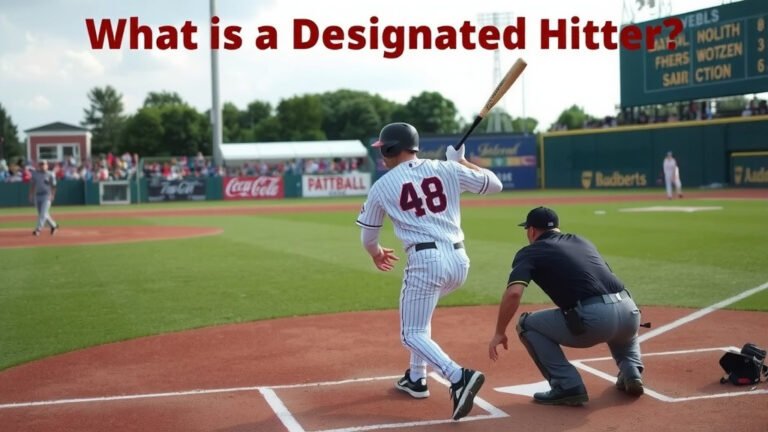
In leagues without a designated hitter (like the National League historically), the 9th batter is often the pitcher. Pitchers generally are not strong hitters. Their main job is to get through their at-bat without making an out. This helps them get back to pitching. In leagues with a designated hitter, the 9th spot might be filled by a player similar to the leadoff hitter. This helps turn the lineup over quickly. It creates another opportunity for the top of the order to bat again. This strategy is common. It can surprise opponents.
How the Batting Order Works in Practice
The batting order is more than just a list. It’s a dynamic aspect of game strategy. Managers use it to their advantage. Let’s look at how it plays out during a game.
The Sequence of At-Bats
Once the game starts, the batting order begins. The first player on the list comes up to bat. If they get on base, the next player in the order comes up. If they make an out, the next player bats. This continues for all nine players. After the ninth batter, the order repeats. This is why the leadoff hitter is so important. They are the first to start the cycle. They aim to make that first turn a good one. Once three outs are recorded, the teams swap roles, dictating the rhythm of the game.
Making Substitutions and Their Impact
What happens if a player gets tired or injured? Or maybe the manager wants to use a pinch hitter? This is where substitutions come in. If a player is substituted, the new player takes their spot in the batting order. This means the new player will bat in that same spot for the rest of the game. This is a key rule. It prevents managers from constantly changing the order to gain an advantage.
For example, if the 4th batter is pinch-hit for, the new hitter takes over the 4th spot. They will bat in the 4th position every time their turn comes up. This is a rule many people find interesting. It keeps the game consistent. It means managers need to think carefully about their substitutions.
A Sample Batting Order Breakdown
Let’s imagine a hypothetical team. We can see how a manager might set up their lineup. This makes it easier to visualize the strategy.
| Batting Spot | Player Type | Role/Goal |
|---|---|---|
| 1st | Speedy Contact Hitter | Get on base, score |
| 2nd | Good Contact Hitter | Advance runner, get on base |
| 3rd | Best All-Around Hitter | Drive in runs, get on base |
| 4th | Power Hitter (Cleanup) | Drive in runs |
| 5th | Power Hitter | Drive in runs, protect cleanup |
| 6th | Solid Hitter | Keep rally going |
| 7th | Developing Hitter | Get on base, see pitches |
| 8th | Good Defender / Contact Hitter | Put ball in play |
| 9th | Pitcher (NL) / Leadoff type (AL) | Avoid out / Start rally again |
As you can see, there’s a method to the madness. Each spot serves a purpose. It contributes to the team’s overall offensive plan. This structure helps everyone understand their role. It’s a team effort. Everyone contributes to scoring runs.
Key Takeaways for Understanding the Lineup
To sum up how the batting order works, keep these points in mind:
- The order runs from 1st to 9th batter.
- It’s set before the game begins.
- It dictates the turn at bat for every player.
- Player roles are considered for each spot.
- Substitutions take on the original player’s spot.
- The order repeats throughout the game.
Conclusion
You now understand the fundamental structure of a baseball batting order. It’s a strategic sequence, not a random list. From the leadoff hitter aiming to get on base to the cleanup hitter driving in runs, each spot has a purpose. Remember, the order is locked in before the first pitch. Substitutions enter the game but take the original player’s spot in the lineup. This structure ensures fairness and adds a layer of strategic depth to the game. Now, when you watch a game, pay attention to how teams set up their lineups. You’ll start to see the manager’s plan unfold with every at-bat.
Frequently Asked Questions
Can the batting order be changed during a game?
No, once the batting order is set before the game begins, it cannot be changed during an inning or from inning to inning. If a player is substituted, the new player assumes that exact spot in the lineup for the remainder of the game.
What is the main difference between the American League and National League batting orders?
Historically, the main difference was the designated hitter (DH) rule in the American League. This means a player bats instead of the pitcher. In the National League, pitchers usually batted in the 9th spot. However, this rule has since been adopted by both leagues.
Does the 9th batter always bat before the leadoff hitter again?
Yes, the batting order is cyclical. After the ninth batter completes their turn at bat, the first batter (leadoff hitter) comes up again. This is why getting runners on base for the top of the order is so important.
Why is the cleanup hitter usually the 4th batter?
The cleanup hitter is typically the team’s most powerful bat. They bat fourth because the three hitters before them are usually skilled at getting on base. This sets up the cleanup hitter with opportunities to drive in runs.
What happens if a player gets injured and can’t continue batting?
If a player is injured and cannot complete their at-bat or continue in the game, a substitute player will take their place in the batting order. The substitute inherits the injured player’s spot and will bat in that same position for the rest of the game.