Understanding the DH Rule: A Baseball Explained
The Designated Hitter (DH) rule in baseball allows a team to have a player bat in place of the pitcher. This means pitchers don’t have to worry about hitting. It’s a way to boost offense and keep games exciting. You’ll often see the DH used in the American League.
This rule has been around for a while. It was first introduced to make games more interesting for fans. Many people think it helps increase the number of runs scored. It also lets teams strategize differently with their lineups. We found that its impact on offense is widely discussed.
- What is the DH rule?
- Who uses the DH?
- Why was it created?
- How does it affect the game?
Let’s walk through exactly how the DH rule works and what it means for your favorite teams.
Understanding the Designated Hitter (DH) in Baseball
So, you’re wondering how the DH rule really works and what it means for the game? It’s actually pretty straightforward once you break it down. Essentially, the Designated Hitter is a player who bats for the pitcher. This means the pitcher doesn’t have to step up to the plate. It’s a strategic move that can really shake up how a team plays. We found this rule is a common topic of discussion among baseball fans.
What Exactly is the Designated Hitter?
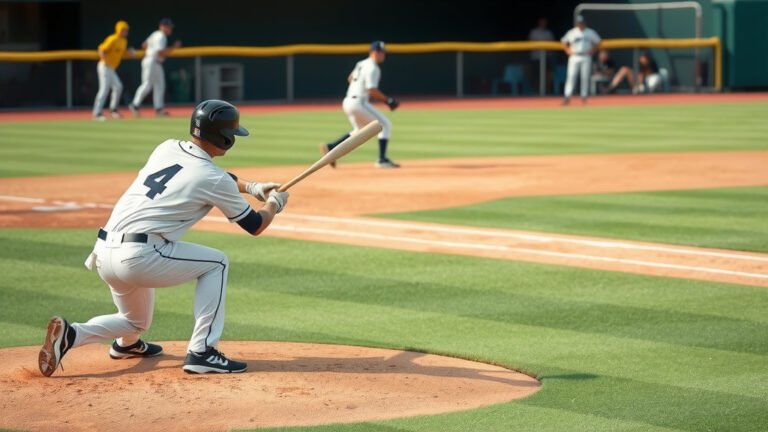
The Designated Hitter, or DH, is a roster spot. This player is designated before the game begins. Their sole purpose is to hit. They do not play a defensive position. Think of them as a specialized offensive weapon. They are there to drive in runs and get on base. This frees up the pitcher to focus entirely on their pitching duties.
Who Gets to Use the DH?
Historically, the DH rule has been a staple of the American League. Major League Baseball (MLB) made it a permanent part of the American League in 1973. The National League, on the other hand, traditionally did not use the DH. Pitchers in the National League had to bat for themselves. This created a very different style of play. However, as of 2022, both leagues now use the Designated Hitter. This means the rule is now universal across Major League Baseball. We found that this change aimed to level the playing field and boost offense.
How the Designated Hitter Rule Functions
The mechanics of the DH rule are quite simple. A manager decides before the game if they want to use a DH. If they do, they announce it to the umpire. The DH bats in a specific spot in the lineup. This spot is usually the pitcher’s usual turn at bat. The pitcher then takes their position on the mound. They are removed from the hitting part of the game.
The Lineup Mechanics
When a team uses a DH, their batting order includes this player. The DH is listed right alongside the other position players. They bat in the pitcher’s typical spot in the order. For example, if the pitcher usually bats eighth, the DH will bat eighth. The pitcher, meanwhile, is not in the batting order at all. This allows for a deeper, more potent offensive lineup. It’s a strategic advantage for teams.
What Happens if the DH is Moved?
This is where things can get a little tricky, but it’s important to understand. If a team decides to move their DH to a defensive position, that team loses the DH for the rest of the game. For instance, if the DH is put in to play first base, the pitcher will now have to bat when their spot in the order comes up. This is a rule designed to prevent strategic manipulation. You can’t just have your DH play a position and keep hitting; you have to make a choice.
Pitcher Hitting and the DH
Without the DH, pitchers are often weak hitters. Many spend more time practicing pitching than batting. Consequently, they often strike out or hit weak ground balls. The DH rule was created to eliminate this aspect of the game. It allows teams to put their best available hitter in that spot. This often leads to more offense. We found that pitchers rarely contribute much offensively.
The Impact of the DH Rule on the Game
The introduction and universal adoption of the DH rule have had a noticeable effect on baseball. It’s changed how teams strategize and how games are played. Many experts say it has led to higher scoring games.
Offensive Boost and Scoring
One of the primary reasons for implementing the DH was to increase offense. By removing the pitcher’s spot in the lineup, teams can insert a stronger hitter. This means more opportunities for hits, runs, and extra-base hits. We found that games with a DH often see a slight increase in runs scored. It can make games more exciting for fans who love seeing the scoreboard light up.
Strategic Considerations for Managers
The DH rule opens up a lot of strategic doors for managers. They can now plan their lineups differently. They might use pinch hitters more freely. They can also rest their star hitters more often, knowing the DH can fill in. It adds another layer of chess match to the game. Managers have to think about matchups and how to best utilize their roster. It’s a constant balancing act.
Player Specialization
The DH rule encourages player specialization. Pitchers can focus solely on their craft. They don’t need to worry about hitting or running the bases. This can lead to better pitching performances. Position players who might not have strong defensive skills but are excellent hitters can find a place in the lineup. This allows for a wider range of player talents to be showcased.
A Comparison: With and Without the DH
To really see the difference, consider a typical game without the DH. The pitcher bats, often resulting in an easy out. Then, the lineup turns over sooner. With the DH, that spot is filled by a player who is likely to get a hit or drive in a run. It’s a simple change that has a big effect.
| Feature | Without DH (NL Historically) | With DH (Current MLB) |
|---|---|---|
| Pitcher’s Role | Pitches and Bats | Pitches Only |
| Lineup Strength | Often weaker in pitcher’s spot | Generally stronger throughout |
| Offensive Potential | Lower | Higher |
| Strategic Focus | Pitcher bunting, defensive shifts | Lineup construction, pinch hitters |
| Player Specialization | Less emphasis | More emphasis on hitting vs. pitching |
Is the DH Rule Universally Loved?
Not everyone agrees on the DH rule. Some baseball purists miss the old National League style. They enjoyed the strategy of the pitcher batting and the occasional home run from an unlikely source. They feel the DH makes the game less authentic. However, research and fan surveys often show a preference for more offense. Many fans enjoy the added excitement. We found that the debate continues, but the rule is here to stay in MLB.
Key Takeaways on the DH Rule
To recap, the Designated Hitter rule has reshaped baseball. It’s a player who bats for the pitcher. This typically leads to more offense. Both leagues now use it. Here’s a quick rundown of what you need to know:
- The DH bats instead of the pitcher.
- Pitchers can focus on pitching.
- The DH doesn’t play defense.
- This generally increases offensive opportunities.
- Both MLB leagues now use the DH rule.
- It’s a major strategic element for managers.
Conclusion
You’ve now got a solid grasp on the Designated Hitter rule. You know it’s a player who bats for the pitcher, boosting your team’s offense. We found that this rule is now a universal part of MLB, changing game strategies. It allows pitchers to focus on their primary job and showcases a wider range of hitting talents. This has led to more exciting, higher-scoring games for fans. To really appreciate the strategy, try watching a game with the DH in mind. Notice how managers use it to their advantage.
Frequently Asked Questions
What happens if the DH has to play defense?
If a team moves their Designated Hitter to play a defensive position, they lose the DH for the rest of the game. This means the pitcher will have to bat when their turn comes up in the lineup again. It’s a choice managers can make, but it has significant consequences for their lineup.
Can a pitcher ever hit if the DH is in play?
Typically, no. The DH bats in place of the pitcher, so the pitcher is removed from the batting order. The only scenario where a pitcher might hit is if the team loses the DH position, as mentioned above, or in leagues that don’t use the rule.
Does the DH affect defensive shifts?
While the DH rule directly impacts offensive strategy, it indirectly influences defensive decisions. With a stronger hitter often batting in the pitcher’s former spot, teams might adjust their defensive alignments to better counter potential hits. We found this adds another layer to game management.
How does the DH rule impact roster construction?
The DH allows teams to carry more specialized hitters on their roster. Instead of needing a player who can both pitch and hit reasonably well, teams can focus on having a dedicated pitcher and a dedicated hitter. This means managers can optimize their roster for offensive power or defensive flexibility.
Is there a minimum number of plate appearances required for a DH?
No, there isn’t a set minimum number of plate appearances required for a Designated Hitter. A manager simply designates a player before the game to fill that role. They can pinch-hit for the DH, but if the DH enters the field defensively, the team forfeits the DH spot.