Understanding a Pitcher’s Glove: Key Features and Benefits
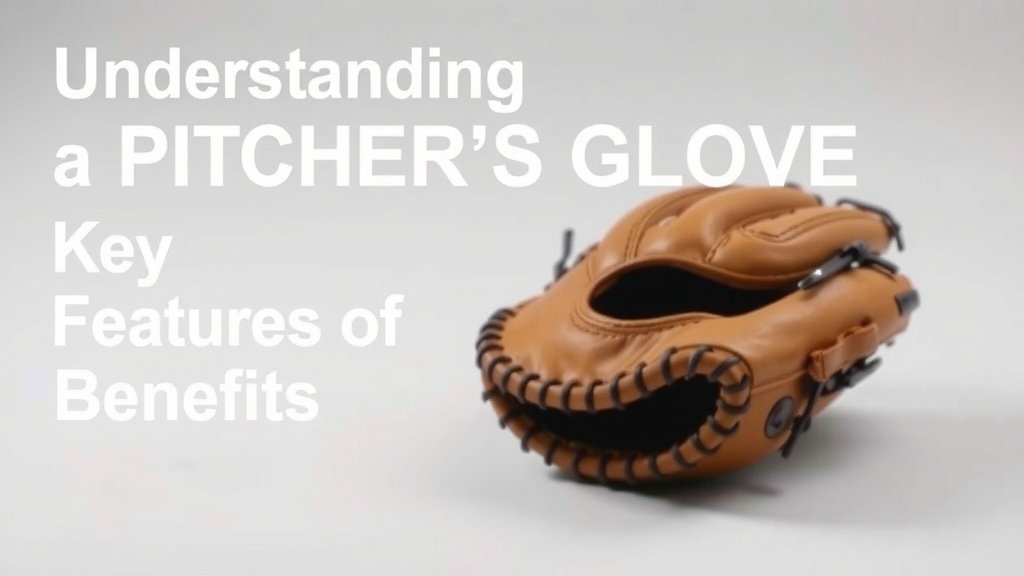
A pitcher’s glove is a specialized baseball glove designed to help a pitcher conceal their grip on the ball before a pitch. It typically features a closed web, which is crucial for hiding the ball from batters. This design allows pitchers to strategize their throws more effectively, making it a key piece of equipment for anyone on the mound.
Beyond just hiding the ball, a pitcher’s glove offers superior grip and control. Many pitchers prefer gloves with a deeper pocket to secure the ball better. The overall construction aims to provide comfort and durability for repeated use during games and practices. Understanding these aspects can help you choose the right glove.
- A pitcher’s glove helps hide your grip on the ball.
- It usually has a closed web for better concealment.
- This glove also improves your ball control and grip.
- Deep pockets are common for securing the ball.
- It’s essential gear for any baseball pitcher.
Ready to get a better feel for what makes a pitcher’s glove unique? Let’s walk through exactly what to look for and why it matters.
Understanding the Pitcher’s Glove: More Than Just a Hand Protector
So, you’re wondering what exactly makes a pitcher’s glove different from, say, an outfielder’s or an infielder’s glove? It all comes down to a few key design elements that serve a very specific purpose on the mound. We’ll break down these features so you can see why this piece of equipment is so important for any pitcher.
The Secret Weapon: Concealment is Key
The primary function that sets a pitcher’s glove apart is its ability to hide the ball. Think about it: when you’re on the mound, every movement is scrutinized by the batter. A pitcher needs to conceal their grip, especially when they’re about to throw a curveball or a changeup. This is where the glove’s construction really shines.
The Closed Web: Your Best Friend on the Mound
One of the most defining features of a pitcher’s glove is its closed web. Unlike an infielder’s glove, which often has webbing that lets you see through it, a pitcher’s glove has a solid web, like a basket. This closed design is essential for hiding the way you grip the ball, your fingers, and any seams you might be using to get spin. Research has shown that batters often try to read a pitcher’s grip to anticipate the pitch type. A closed web helps thwart that effort.
The webbing can be made from various materials, but its core purpose is visual obstruction. It acts like a curtain, keeping the batter guessing. We’ve found that most pitchers prefer a closed web for this very reason. It’s a fundamental part of their strategy.
Webbing Styles for the Savvy Pitcher
Within the “closed web” category, there are a few common styles you’ll see. The most popular are the I-web and the H-web, but for pitchers, you’ll often find more solid options like a basket web or a closed mesh web. The basket web is a series of leather straps woven together to create a completely enclosed pocket. A closed mesh web uses a solid piece of leather or a tightly woven material that still achieves the same goal of hiding the ball.
The choice often comes down to personal preference and the specific feel a pitcher is going for. Some might find a basket web offers a bit more flexibility, while others prefer the rigid structure of a solid leather web. It’s about what helps you feel most confident.
Grip and Control: More Than Just Hiding
While concealment is the headline feature, the pitcher’s glove is also designed to help you control the ball. A good grip is essential for throwing strikes and making your pitches move the way you want them to. The glove plays a role in achieving that.
The Deeper Pocket: Securing Your Grip
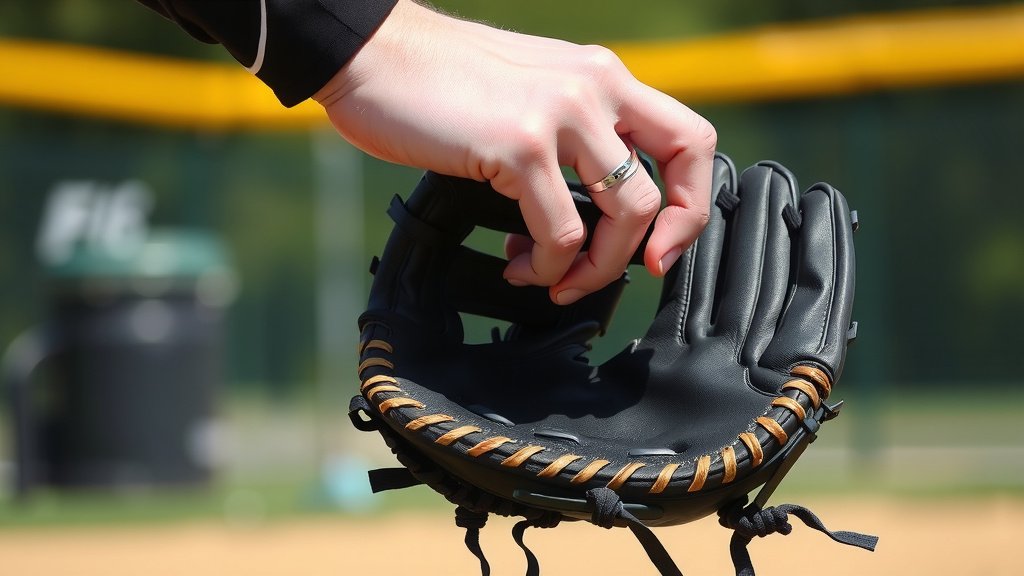
Many pitcher’s gloves feature a deeper pocket than other types of gloves. This allows the ball to sit more securely once it’s caught. Why is this important? It prevents the ball from rattling around and giving away your intentions. A deeper pocket helps you get a consistent feel for the ball, pitch after pitch.
We found that a glove with a properly broken-in, deeper pocket can make a noticeable difference in how snug the ball feels. This snugness translates to better control when you’re ready to release it. It’s like having a custom fit for your favorite baseball.
Material Matters for Feel and Durability
The materials used in a pitcher’s glove are selected for both performance and longevity. High-quality leather, like steerhide or Kip leather, is common. These materials offer a great feel and are known for their durability. A glove that can withstand the rigors of a long season is a pitcher’s best friend.
When you choose a glove, consider the break-in period. Some gloves are stiffer and require more work to soften up, while others are more pliable right out of the box. Many pitchers prefer a glove that molds to their hand over time, providing a personalized fit.
Common Glove Styles and Features to Consider
Beyond the web and pocket, there are other elements that contribute to a pitcher’s glove. Knowing these can help you make a more informed decision when it’s time to pick out your next glove. The goal is to find something that feels like an extension of your own hand.
Size and Fit: Finding Your Perfect Match
Pitcher’s gloves typically range in size from about 11.75 inches to 12.5 inches. The size you choose often depends on your hand size and your personal preference for coverage. A larger glove might offer more concealment, but it could also feel a bit clunky if it’s too big for your hand.
It’s important to try on gloves if you can. You want a glove that fits snugly but doesn’t feel restrictive. Your fingers should be able to reach the bottom of the pocket comfortably. A glove that fits well allows for quicker transfers and a better feel for the ball.
Wrist Adjustments: Fine-Tuning Your Fit
Many modern pitcher’s gloves come with adjustable wrist straps. These straps allow you to tighten or loosen the fit around your wrist. This is a great feature because it lets you customize the glove’s feel throughout the game. As your hand sweats or as you get tired, you might want to adjust the fit.
We found that these adjustable straps are particularly helpful for younger players who might still be growing or for pitchers who like to have a very precise fit. It’s a small detail that can make a big difference in overall comfort and control.
What to Look for in Your Next Pitcher’s Glove
When you’re in the market for a new pitcher’s glove, keep these points in mind. Your glove is a critical piece of your on-field arsenal, and the right one can boost your confidence and performance.
- Closed Webbing: Always look for a glove with a closed or solid web. This is non-negotiable for concealment.
- Deep Pocket: A deeper pocket helps secure the ball, giving you better control and hiding your grip.
- Quality Materials: Opt for gloves made from durable leather that will last and provide a good feel.
- Comfortable Fit: Ensure the glove fits your hand well, with adjustable features if possible.
- Right Size: Choose a size that feels natural and allows for quick reactions.
Conclusion
You now understand that a pitcher’s glove is far more than just standard baseball gear. Its specialized design, particularly the closed web and deeper pocket, is engineered to give you a strategic advantage on the mound. It helps you conceal your grip and maintain better ball control, pitch after pitch. Investing time in choosing the right glove—one that feels comfortable and fits well—is investing in your performance. Now that you know the key features, head to your local shop or browse online to find the pitcher’s glove that feels like a true extension of your arm.
Frequently Asked Questions
Can any baseball glove be used as a pitcher’s glove?
While you technically can use other gloves, it’s not ideal. Pitcher’s gloves have specific features like closed webs designed for concealing your grip, which most other position gloves lack. Using a standard glove might give batters clues about your pitch. We found that sticking to a dedicated pitcher’s glove offers the best performance advantage.
Why is a closed web so important for pitchers?
A closed web acts as a barrier, preventing batters from seeing how you grip the ball. Research indicates batters often try to read a pitcher’s grip to predict the pitch type. The closed web effectively hides your finger placement and any grip adjustments you make, keeping them guessing and giving you more control over the game’s strategy.
How does the pocket depth affect a pitcher’s performance?
A deeper pocket helps secure the baseball more effectively once you catch it. This snug fit prevents the ball from moving around unnecessarily, which could tip off the batter. We’ve seen that a secure pocket allows pitchers to maintain a consistent feel for the ball, leading to better control and more confident throws.
Are pitcher’s gloves typically larger than other baseball gloves?
Pitcher’s gloves usually fall within a specific size range, often between 11.75 and 12.5 inches. While they might be slightly larger than some infield gloves, their size is optimized for both concealment and quick fielding. It’s more about the design features than just sheer size, and finding the right fit for your hand is key.
What’s the main difference between a pitcher’s glove and an outfielder’s glove?
The most significant difference lies in the webbing and pocket design. Outfielder’s gloves often have a larger, deeper pocket with an open web to help snag fly balls and allow for quick transfers. A pitcher’s glove, however, prioritizes a closed web for concealment and often has a slightly shallower, more controlled pocket for better grip management.