Wood vs Metal Bat: Which Is Right for You
Choosing between a wood bat and a metal bat often depends on what you value most: authenticity and feel, or power and durability. Metal bats offer a larger sweet spot and can hit the ball harder with less effort. Wood bats provide a more traditional baseball experience and require more precise contact for solid hits. Many players find the choice comes down to the league’s rules and their personal preference.
When you step up to the plate, the bat in your hands matters. Metal bats are known for their trampoline effect, giving balls an extra pop off the bat. On the other hand, wood bats mimic what professionals use, offering a classic sound and feel that many purists adore. The performance difference is noticeable, and understanding these key distinctions will help you make the right choice for your game.
- Metal bats offer more power and a larger sweet spot.
- Wood bats provide a traditional feel and sound.
- League rules often dictate which type of bat you can use.
- Your personal playstyle and preference are key factors.
We’ll walk you through the pros and cons of each type of bat so you can decide which one is best for your next game.
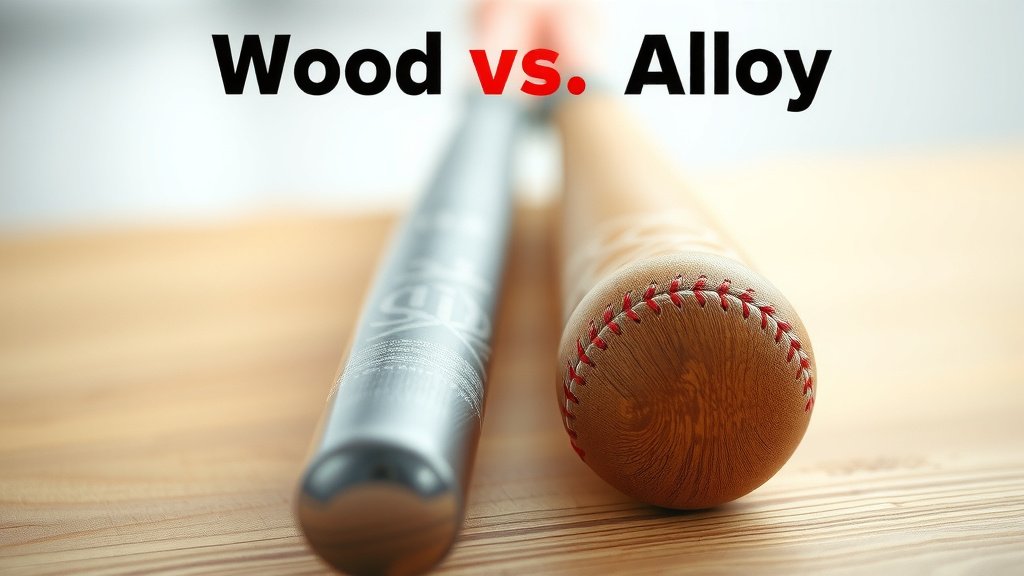
Wood Versus Alloy: Understanding Your Baseball Bat Choices
When you’re looking to step up to the plate, you’ll quickly notice there are two main types of bats: wood and metal (often called alloy or composite). Both have their place in baseball and softball. Many players wonder about the actual performance difference. We found that each bat type brings its own unique feel and capabilities to your game.
The Mighty Metal Bat: Power and Consistency
Metal bats are engineered for performance. They are often made from aluminum alloys or composite materials. These bats are known for their “trampoline effect.” This means the bat’s barrel flexes slightly on impact. This flex transfers more energy to the ball. It can result in faster exit velocities and longer hits.
The Sweet Spot Advantage
One of the biggest draws of metal bats is their larger sweet spot. The sweet spot is the area on the barrel that produces the most power. Compared to wood, metal bats generally offer a more forgiving zone. This means even slightly off-center hits can still travel well. For developing players, this can be a real confidence booster. It makes connecting with the ball more rewarding.
Durability and Maintenance
Metal bats are incredibly durable. They can withstand thousands of hits without significant wear. Unlike wood bats, they won’t splinter or crack easily. This makes them a cost-effective choice over time. You don’t have to worry as much about damage from improper use, like hitting rocks or pavement. They’re built tough for the rigors of practice and games.
Sound and Feel
The sound of a metal bat hitting a ball is distinct. It’s often a loud “ping” or “crack.” Some players love this sound. Others find it less traditional than the deep “thwack” of a wood bat. The feel can also be different. Some players report more vibration with metal bats, especially on mishits. This is a matter of personal preference.
League Regulations
It’s crucial to check your league’s rules regarding bats. Many youth leagues and some adult leagues permit metal bats. They often have specific certifications required, like BBCOR or USABat. These certifications ensure a certain level of performance. They help maintain safety and fairness in the game. Always confirm your bat meets the standards before you play.
The Classic Wood Bat: Tradition and Skill
Wood bats are the standard in professional baseball. They are typically made from ash, maple, or birch. Using a wood bat offers a connection to the game’s history. Many players enjoy the challenge and skill required to hit well with wood.
The Art of the Solid Hit
Wood bats require a more precise swing. Their sweet spot is generally smaller and harder than that of a metal bat. This means you need to make solid contact to get good results. When you do connect perfectly, the feeling is incredibly satisfying. It rewards good mechanics and a good eye. Many coaches believe this helps players develop better hitting fundamentals.
Performance Characteristics
Wood bats don’t have the same “trampoline effect” as metal bats. The energy transfer is more direct. This means hits are more dependent on bat speed and the quality of contact. While they might not offer the same raw power as metal bats for every hit, a perfectly struck ball with a wood bat can travel a very long way. You’ll learn to feel the difference when you square one up.
Durability and Lifespan
Wood bats are more prone to breaking than metal bats. Hitting the ball off-center, making contact with other bats, or even just hard impacts can cause them to splinter or snap. This means wood bats might have a shorter lifespan, especially with heavy use. However, for some, the feel and sound of a quality wood bat are worth the potential for breakage.
The Authentic Baseball Experience
There’s a certain romance to using a wood bat. It’s what the pros use. It demands a different kind of respect for the game. The sound is deeper, more resonant. The feedback you get on contact is instant and clear. Many players find that using wood hones their skills in ways that metal bats might not. It teaches you to be a more complete hitter.
Making Your Decision: Key Factors to Consider
Choosing between wood and metal isn’t always easy. It depends on your goals and the rules you play by. Think about what you want from your bat.
Your League’s Rules
This is often the most important factor. If your league only allows wood bats, your choice is made for you. If both are permitted, you have more freedom.
Player Development
For younger players or those working on their swing mechanics, wood bats can be incredibly beneficial. They teach precision. Metal bats, with their larger sweet spot, can sometimes mask flaws in a swing. Many coaches recommend starting with wood or using it during practice to build solid habits.
Playing Style and Preference
Do you prefer the forgiving nature and raw power potential of metal? Or do you crave the traditional feel and the satisfaction of a perfectly struck ball with wood? Your personal preference plays a huge role in your enjoyment of the game.
Budget and Longevity
While a good metal bat can be an investment, it often lasts for many seasons. Wood bats might need replacement more frequently, which can add up. However, individual wood bats can be less expensive initially than high-end metal bats.
Quick Comparison Table
| Feature | Metal Bat | Wood Bat |
|---|---|---|
| Sweet Spot Size | Larger, more forgiving | Smaller, requires precision |
| Power Potential | Higher “trampoline effect” | Relies on swing and contact |
| Durability | Very high | Lower, prone to breaking |
| Sound | “Ping” or “crack” | Deep “thwack” |
| Feel | Can have more vibration | Direct feedback on contact |
| Cost (Initial) | Can be higher for top models | Generally lower |
| League Rules | Often restricted, requires certification | Widely accepted, especially in pro/high levels |
Your Bat Checklist: What to Consider Next
Before you make your final choice, run through this quick checklist:
- Confirm league bat regulations.
- Assess your current skill level and development goals.
- Consider the feel and sound you prefer.
- Think about how often you’ll be playing.
- Set your budget for a new bat.
- Ask experienced players for their recommendations.
Conclusion
You’ve seen how wood and metal bats each bring something different to the plate. Metal bats generally offer more power and a forgiving sweet spot, making them popular choices in many leagues. Wood bats, on the other hand, provide that authentic baseball feel and reward precise contact, just like the pros use. Ultimately, the best bat for you depends on your league’s rules, your skill level, and what you love about the game.
So, your next step is simple: check your league’s regulations and then consider what kind of player you want to be. Whether you’re chasing maximum distance or perfecting your swing, the right bat will help you enjoy the game even more.
Frequently Asked Questions
Can a metal bat actually break?
While metal bats are very durable, they can still break under extreme conditions, though it’s much less common than with wood. Things like extreme cold or manufacturing defects can sometimes cause issues. If you suspect your metal bat is damaged, it’s best to stop using it immediately.
Is it harder to hit with a wood bat?
Yes, generally, it is harder to hit well with a wood bat. Wood bats have a smaller sweet spot and don’t have the same “trampoline effect” as metal bats. This means you need to make more solid contact on the barrel for your hits to travel far. It requires more skill and practice.
Which type of bat is better for developing hitters?
Many coaches recommend wood bats for developing hitters. They help players learn proper swing mechanics and the importance of making solid contact. Metal bats can sometimes mask flaws in a swing due to their larger sweet spot and power. Using wood can build better fundamentals.
Are wood bats allowed in all leagues?
No, wood bats are not allowed in all leagues. While they are the standard in professional baseball and many higher-level amateur leagues, some youth leagues and recreational leagues may allow or even require metal or composite bats for safety or performance reasons. Always check your specific league rules.
How do I know if my metal bat is legal for my league?
To ensure your metal bat is legal, check for specific certification stamps on the bat itself or on its packaging. Common certifications include BBCOR for high school and college play, and USABat for youth baseball. Your league should clearly state which certifications are required.