
How Many Strikes Lead to an Out in Baseball
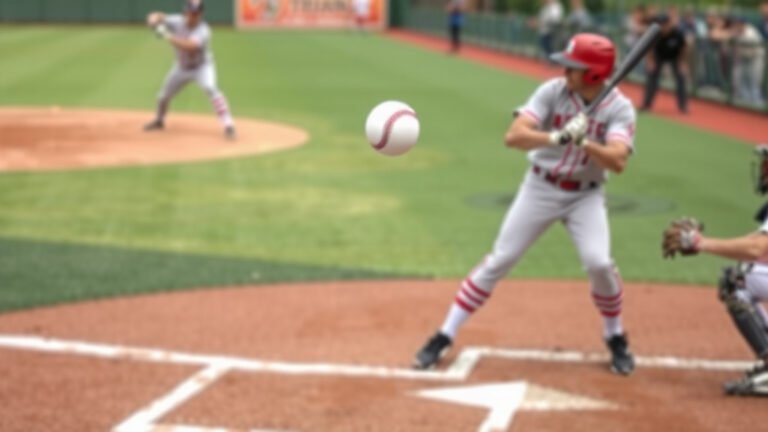
In baseball, it takes three strikes to get an out. You get a strike if you swing at a pitch and miss, or if the umpire calls a pitch in the strike zone that you don’t swing at. These are the two most common ways a batter earns a strike.
Understanding strikes is key to enjoying the game. Batters want to avoid them to stay in the game. Pitchers work hard to get them to end an opponent’s turn. It’s a fundamental part of the baseball strategy.
- It takes three strikes for a batter to be out.
- A strike can be a swing and a miss.
- It’s also a strike if the umpire calls it.
- This happens when a pitch is in the strike zone.
- There are some other ways to get a strike, too.
Let’s walk through exactly how strikes work and what leads to an out.
How Many Strikes Lead to an Out in Baseball?
In baseball, it takes exactly three strikes to get a batter out. This is a core rule you’ll see in every game. Pitchers aim for these strikes. Batters try to avoid them. It’s a constant back-and-forth battle.
We’ve all seen it. A pitcher throws a few good ones, and suddenly the batter is walking back to the dugout. But what exactly counts as a strike? It’s more than just swinging and missing, although that’s a big part of it.
The Most Common Ways to Get a Strike
You’ve probably heard the umpire yell “Strike one!” or “Strike two!” as you’re watching a game. Let’s break down the most frequent scenarios that lead to these calls.
Swinging and Missing
This is the most straightforward way to get a strike. If you step up to the plate and swing at a pitch, you’re committing to hitting it. If you don’t make contact with the ball, it’s automatically a strike. It doesn’t matter where the pitch was thrown. If your bat doesn’t touch the ball after you swing, it’s a strike.
Called Strikes: The Umpire’s Zone
This is where things can get a bit more interesting, and sometimes a little frustrating for batters! A called strike happens when the umpire judges a pitch to be within the strike zone, and the batter doesn’t swing. The strike zone is a specific area over home plate.
The official definition can vary slightly based on the umpire’s perspective and the batter’s stance. However, it’s generally considered to be between the batter’s armpits and the hollow beneath their kneecaps, as they stand in their natural batting position (Major League Baseball Official Rules).
If a pitch crosses that zone and the batter doesn’t swing, the umpire calls it a strike. This is why you’ll see batters take a swing at pitches that might look a little wild. They’re trying to avoid that dreaded called strike. Sometimes, they might take a pitch they think is outside the zone, only to hear the umpire declare it a strike.
Less Common, But Still Strikes!
Beyond the swing-and-miss and the called strike, there are a few other situations that can result in a strike. These often catch new fans by surprise.
Foul Balls
If you hit a pitch, but it goes foul (meaning it lands outside the foul lines), it usually counts as a strike. There’s a key exception here: If you already have two strikes, a foul ball does NOT count as the third strike. You can’t strike out on a foul ball if you’re already down to your last chance (MLB Official Rules).
Think of it as a “free swing” for the batter who’s already behind in the count. They get another chance to put the ball in play without ending their turn. This is a great rule for keeping the game exciting and giving batters a fighting chance.
Bunting Attempts
When a batter attempts to bunt the ball (a soft tap rather than a full swing) and misses, it’s a strike. Similar to a foul ball, if you have two strikes already, a missed bunt attempt doesn’t count as strike three. This is to prevent batters from being automatically out on a botched bunt attempt when they have two strikes.
Interference
This is a rarer call, but it happens. If a batter interferes with the catcher’s ability to make a play on a runner, or if they intentionally interfere with a pitch, it can result in a strike being called. This is all about maintaining the integrity of the game and ensuring fair play.
Hitting the Ball a Second Time
This is a really unusual one. If a batter hits a fair ball, and then hits it a second time with their bat, or with their foot or hand while not attempting to avoid it, it’s a strike. Imagine a batter hitting the ball, then accidentally kicking it again while running. That would be a strike.
What Happens When You Have Three Strikes?
Once a batter accumulates three strikes, they are out. This is officially recorded as a “strikeout.” The batter’s turn at bat is over, and they must return to their dugout. The next batter in the lineup then steps up to the plate.
It’s the pitcher’s job to get three strikes. It’s the batter’s job to avoid them or put the ball in play. This fundamental interaction is at the heart of baseball strategy. Pitchers might try to throw pitches that look like strikes but are just outside the zone to tempt the batter. Batters watch closely, trying to discern the umpire’s zone and the pitcher’s strategy.
The Four-Ball Rule: A Quick Contrast
While we’re talking about strikes, it’s worth mentioning the opposite scenario. Instead of strikes, a pitcher can also throw balls. If a pitcher throws four pitches that are outside the strike zone and the batter doesn’t swing, the batter is awarded first base. This is called a walk or a “base on balls.”
It’s the inverse of striking out. Three strikes and you’re out. Four balls and you’re on base. This balance is what makes baseball so captivating.
Understanding the “Strike Zone” Variations
The strike zone isn’t always a fixed, perfect box. Umpires have a job to do, and their interpretation can sometimes lead to debate. While the general rules are clear, the actual zone can be influenced by:
- The umpire’s individual judgment.
- The batter’s height and stance.
- How the pitch moves (e.g., a pitch that drops late might be called a ball by one umpire and a strike by another).
This is why you might see a batter get frustrated with a called strike. They may have felt the pitch was clearly outside their perceived strike zone. We’ve all seen arguments about the strike zone, and it’s a natural part of the game’s human element.
So, How Many Strikes in an Out? Let’s Recap the Essentials
To make sure you’ve got it, let’s quickly review the main points. Getting three strikes is what ends a batter’s turn at the plate, resulting in an out.
Here’s a quick rundown of what counts:
- Swing and a miss: You swung; you didn’t hit it. Strike.
- Called strike: Pitch was in the umpire’s strike zone; you didn’t swing. Strike.
- Foul ball (with less than two strikes): You hit it, but it went foul. Strike.
- Missed bunt attempt (with less than two strikes): You tried to bunt; you missed. Strike.
Remember, a foul ball or missed bunt with two strikes does NOT count as strike three. The batter gets to keep hitting in those situations. It’s a small but important detail.
When you’re watching your next game, pay attention to the count. You’ll start to see how pitchers and batters strategize around these strikes and balls. It’s like a chess match, but with a fast-moving ball!
A Quick Guide to What Gets You a Strike
Here’s a handy checklist to remember the common ways a strike is called:
- Did the batter swing and miss the pitch? Yes = Strike
- Did the umpire call the pitch a strike because it was in the strike zone and the batter didn’t swing? Yes = Strike
- Did the batter hit a foul ball when they had fewer than two strikes? Yes = Strike
- Did the batter attempt to bunt and miss when they had fewer than two strikes? Yes = Strike
- Did the batter get three strikes? Yes = Out!
Conclusion
So, you’ve learned the core of baseball’s rhythm: three strikes mean an out. We’ve covered the swing-and-miss, the umpire’s called strike in the strike zone, and those other ways a strike can happen, like foul balls or missed bunts. Remember that a foul ball or missed bunt with two strikes keeps your at-bat alive! Understanding these rules makes watching the game so much more engaging. Next time you’re at a game, try counting the strikes and balls yourself. You’ll start seeing the strategy unfold before your eyes.
Frequently Asked Questions
Can you strike out on a foul ball?
Generally, yes, a foul ball counts as a strike. However, there’s an important exception. If you already have two strikes, a foul ball (or a missed bunt attempt) does NOT count as strike three. You get to continue batting in that situation.
What exactly is the “strike zone”?
The strike zone is the area over home plate between the batter’s armpits and their knees, as they stand in their normal batting stance. The umpire judges each pitch against this zone. It can vary slightly based on the umpire and the batter’s unique position.
Does a pitch that hits the batter count as a strike?
No, a pitch that hits the batter is not a strike. If the batter doesn’t swing and the pitch hits them, it’s usually a “hit by pitch,” and they are awarded first base. It does not count as a strike against them.
How many strikes can a pitcher throw before a walk?
The opposite of strikes is balls. If a pitcher throws four pitches outside the strike zone that the batter doesn’t swing at, the batter is awarded first base. This is called a walk or a base on balls.
What happens if a batter swings at strike three and misses, but the catcher drops the ball?
If the catcher drops the third strike, the batter is not automatically out. The ball is live, and the batter can try to reach first base. The catcher must then retrieve the ball and tag the batter or throw to first base to complete the out.