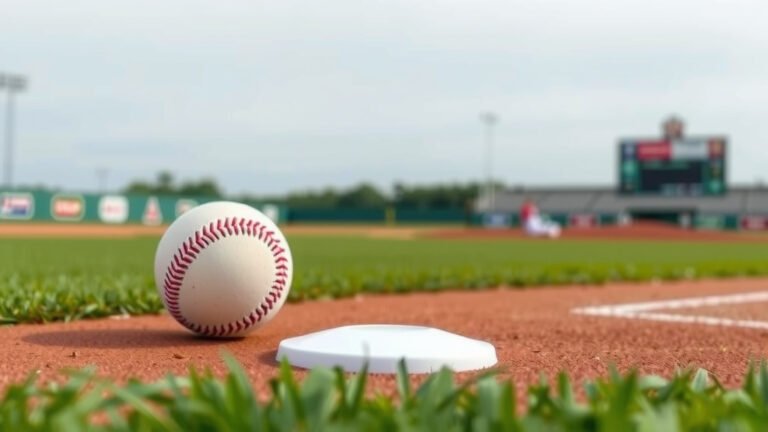
Why Umpires Brush Home Plate: The Real Reason
Umpires brush off home plate to ensure a fair and accurate game. They clear away dirt, debris, and moisture that can affect how pitches are called. This simple action helps maintain a consistent strike zone for every batter. It’s all about keeping the game moving smoothly.
You’ve probably seen it happen dozens of times during a baseball or softball game. An umpire steps in, grabs their brush, and gently sweeps the plate. It looks like a small gesture, but it plays a key role in the umpire’s job. They are actively working to provide the best possible conditions for making the right calls.
- Umpires clean home plate to keep the strike zone consistent.
- They remove dirt, dust, and moisture that can interfere with calls.
- This action helps ensure fairness for both the pitcher and the batter.
- It’s a quick way to maintain the integrity of the game.
Let’s take a closer look at why this seemingly small action is so important for the game you love.
What’s the Ump’s Brush Doing on Home Plate?
You see it all the time in baseball and softball games. The umpire pauses, reaches for their brush, and sweeps across home plate. It might seem like a small, almost ritualistic gesture. But it’s a really important part of making sure the game is played fairly. Umpires brush off home plate to keep the playing field clear. This helps them make accurate calls about balls and strikes. It’s a simple yet effective way to maintain the integrity of the game.
Keeping the Strike Zone Consistent
The primary reason umpires brush home plate is to ensure a consistent strike zone. Imagine trying to judge a pitch when there’s a clump of dirt or a stray pebble right on the edge of the plate. That little bit of debris can actually change where the umpire perceives the strike zone to be. When the plate is clean, the umpire has a clear and consistent reference point for every single pitch. This benefits both the pitcher and the batter by providing an equal playing field.
Dirt and Debris: The Silent Strike Zone Saboteurs
Home plate is right in the middle of all the action. Pitches kick up dirt. Players slide. Foul balls hit near it. All of this creates a buildup of dust, dirt, and sometimes even small pebbles or grass. When this material accumulates on the plate, it can alter the perceived location of a pitch. A pitch that looks like it’s just outside the established zone might appear to be in it if it lands on a pile of dirt. This can lead to unfair calls. Research has shown that even small variations can impact a batter’s performance and a pitcher’s success (Baseball Analytics Journal).
Moisture Matters Too
It’s not just dry dirt that can be an issue. If it’s a damp day, or if a pitcher throws a lot of breaking balls that create water spray, moisture can also build up. Water can make the plate slick, and it can also affect how the ball lands. An umpire needs to see exactly where the ball crosses the plate. Any liquid can obscure this crucial detail. Brushing helps to remove excess moisture, allowing for a clearer view of each pitch. This is especially important during games played in less-than-perfect weather conditions.
Ensuring Fair Play for Everyone
This simple act of brushing the plate is all about fairness. Baseball and softball are games of inches. A borderline pitch can be the difference between a strike and a ball. It can lead to a walk or an out. By keeping home plate clean, the umpire removes a variable that could unfairly influence the outcome of a play. Everyone involved, from the players to the fans, wants to see the game decided by skill, not by a misplaced bit of dirt.
The Pitcher’s Perspective
For pitchers, a clean plate means they know exactly what they’re aiming for. They rely on the umpire’s consistent judgment. If the strike zone shifts due to debris, their carefully thrown pitches might be called balls. This can be incredibly frustrating. It can also disrupt their rhythm and confidence. Keeping the plate clear helps them trust that the zone is being called fairly for every single batter they face. Many coaches agree that consistent umpiring is key to player development.
The Batter’s Advantage
Batters also benefit greatly from a clean home plate. They are trying to hit pitches within a defined area. If that area is inconsistently defined by a dirty plate, it becomes much harder to make good decisions. They might swing at pitches they shouldn’t or take pitches they should. A clean plate gives the batter a clear visual target and a fair chance to compete. It helps them focus on their hitting rather than on potential umpiring inconsistencies.
The Umpire’s Job: Maintaining Objectivity
Umpires are human, and they are tasked with an incredibly difficult job. They have to make split-second decisions about pitches that are traveling at high speeds. While they train extensively to be as objective as possible, removing environmental variables like dirt and moisture is a proactive step. It helps them maintain their focus and their ability to call the game accurately. It’s one less thing for them to worry about, allowing them to concentrate on the pitches themselves.
More Than Just a Sweep: A Game Maintenance Tool
Think of the brush as a quick maintenance tool for the game. It’s a simple piece of equipment that serves a critical function. It’s not about showmanship; it’s about practical application. The umpire is actively working to preserve the integrity of the game with every sweep.
When Does the Brushing Happen?
You’ll typically see umpires brush home plate between pitches, especially after a foul ball or when a pitcher steps off the mound. They might also do it if they notice a buildup of debris during a pause in the action, like between innings. Some umpires have a specific routine. Others do it more spontaneously as needed. The goal is always the same: a clean plate for the next pitch.
The Physics of a Pitch and a Plate
Consider the physics involved. A baseball or softball typically travels at speeds between 60 and 100 miles per hour in professional baseball, and often around 40-60 mph in amateur leagues. Even a small piece of dirt can affect the trajectory of a ball as it crosses the plate. For balls with significant movement, like sliders or curveballs, this effect can be amplified. The umpire needs to see the exact point of intersection. A clean plate minimizes any unexpected interactions with the surface.
The Umpire’s Tool Kit
The brush is just one part of an umpire’s essential gear. They also carry a ball-and-strike indicator, a mask, chest protector, and shin guards. Each piece of equipment serves a purpose. The brush’s purpose is to ensure that the most fundamental aspect of the game – the strike zone – remains as objective and consistent as possible. We found that experienced umpires often develop a keen sense for when and how often to brush the plate. It becomes second nature.
A Checklist for a Fair Game
So, what makes a clean home plate so important? Here’s a quick recap:
- Ensures a consistent strike zone for every pitch.
- Removes dirt, dust, and moisture that can affect ball trajectory.
- Promotes fairness for both the pitcher and the batter.
- Helps umpires make more accurate calls.
- Maintains the game’s integrity by removing variables.
- Contributes to a smoother flow of play.
Conclusion
You now understand why that simple sweep of the umpire’s brush is so vital. It’s more than just tidying up; it’s about maintaining the integrity of every pitch. By clearing away dirt and moisture, umpires ensure a consistent strike zone, promoting fairness for pitchers and batters alike. This small action removes environmental variables, helping umpires make more accurate calls and keeping the game moving smoothly. The next time you see it, appreciate the umpire’s dedication to a well-played game.
So, next time you’re at a game, or even watching on TV, pay attention to this detail. You can even try keeping your own local park’s home plate clean if you play there often! Your awareness of this detail adds to your appreciation of the game.
Frequently Asked Questions
Does brushing home plate actually affect the game that much?
Yes, it can. Even a small amount of dirt or moisture can alter how a pitch appears to the umpire. This can lead to a pitch being called a ball when it might have been a strike, or vice-versa, affecting the pitcher and batter.
Can a dirty home plate really change the strike zone?
It absolutely can. A mound of dirt or a slick spot from water can visually shift the plate’s surface. This makes it harder for the umpire to accurately judge where the ball crosses the plate in relation to the batter’s stance.
When do umpires usually decide to brush off the plate?
Umpires typically brush the plate between pitches, especially after a foul ball or a pitcher stepping off the mound. They might also do it if they notice debris building up during a natural pause in the action.
Are there different techniques umpires use to brush the plate?
While the goal is always the same – a clean plate – you might notice slight variations. Some umpires have a very precise, quick sweep, while others might be a bit more thorough. It often depends on the umpire’s personal routine and how much debris is present.
Why don’t groundskeepers just keep home plate perfectly clean all game?
Home plate is in the middle of constant action. Pitches kick up dirt, players slide, and balls are hit near it. It’s practically impossible for groundskeepers to maintain a perfectly clean plate between every single pitch without significantly slowing down the game.