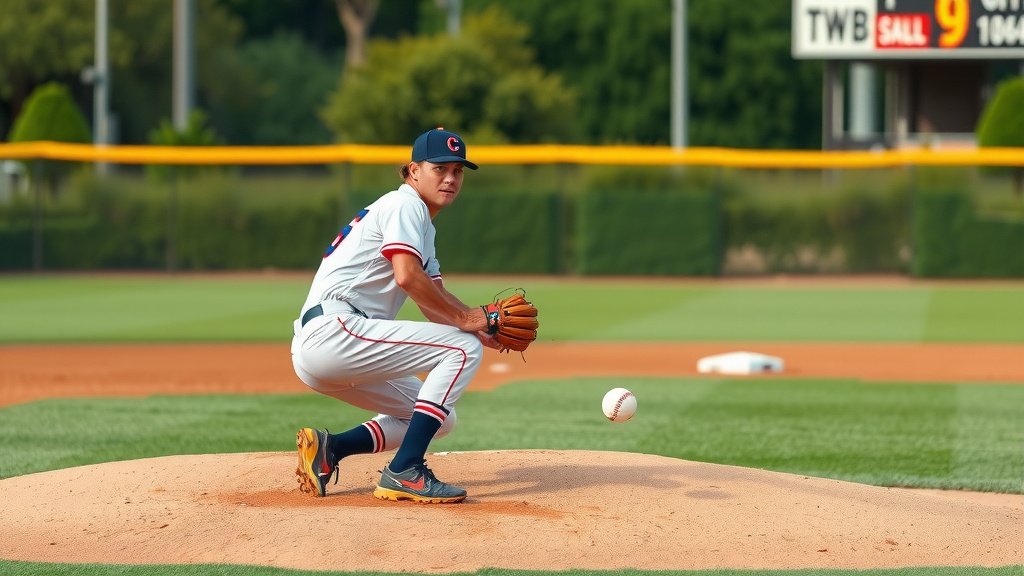
What is Position 6 in Baseball? The Shortstop Explained
Position 6 in baseball, often called the shortstop, is a demanding defensive role. This player covers the infield area between second and third base. They are one of the most athletic players on the field.
Shortstops need exceptional agility and a strong arm. They field ground balls and catch pop flies. This position is vital for preventing stolen bases and turning double plays. A great shortstop can be a team’s defensive anchor.
- Position 6 is the shortstop.
- They play between second and third base.
- Key skills include agility and a strong arm.
- They are crucial for infield defense.
- This position is highly athletic.
Let’s dig into what makes this position so special and what it takes to play it.
Understanding the Demanding Role of the Shortstop
So, what exactly does position 6 in baseball entail? This is the player we know as the This is the player we know as the shortstop, who patrols the territory between second and third base.shortstop. They patrol the infield territory between second and third base. It’s a spot that demands incredible athleticism and quick thinking. Many baseball fans consider it one of the toughest defensive positions on the field.
Think of them as the defensive quarterback of the infield. They have to react instantly to batted balls. They also need to be ready for a runner heading to second or third. It’s a constant state of readiness. We found that shortstops often have some of the highest baseball IQs because they need to anticipate plays so well.
The Essential Skills of a Shortstop
What makes a great shortstop? It’s a combination of physical gifts and mental toughness. Let’s break down what you’d look for in a player at this position.
Arm Strength and Accuracy
A strong arm is absolutely non-negotiable for a shortstop. They often have to make throws from deep in the infield to first base. Sometimes, they even have to throw across their body after fielding a tough grounder. Research shows that the average distance for a throw from shortstop to first base can be over 120 feet. This means they need excellent accuracy to get the ball to their first baseman consistently.
We found that many top shortstops have arm strength that rivals outfielders. This allows them to make plays that other infielders simply cannot. A weak arm can mean the difference between an out and a runner safely reaching base. It’s a big deal for preventing stolen bases, too.
Agility and Footwork
You’ll notice that shortstops seem to be constantly moving. They need to have lightning-fast reflexes. Their footwork has to be impeccable to get into the right position to field a ball. Whether it’s a slow roller or a hard-hit grounder, their feet need to be light and quick. They often have to dive or jump to catch balls that seem unfieldable.
We found that players excelling at this position exhibit superior lateral quickness. This is their ability to move side-to-side rapidly. It’s like a dancer’s footwork, but with much higher stakes. Think about the shift in baseball – a shortstop might have to cover even more ground when the team decides to move other infielders around. This agility is key to stopping hard-hit balls up the middle.
Glove Skills and Hand-Eye Coordination
Catching the ball is obviously important for any fielder. For a shortstop, it’s about soft hands and incredible hand-eye coordination. They need to be able to scoop up ground balls cleanly, even when they’re moving at full speed. Pop flies hit in their vicinity also need to be caught reliably.
We often see shortstops with very active gloves, always moving to present a target. This helps them secure the ball without fumbling. Some experts suggest that good hand-eye coordination is developed through years of practice and drills, not just natural talent. It’s a skill that gets honed over time.
Stamina and Durability
Playing shortstop is a full-body workout. The constant movement, diving, and throwing take a toll. Players at this position often need to be in excellent physical condition. They need the stamina to perform at a high level for nine innings, game after game. Injuries can be common, so a level of toughness is also required.
Many professional baseball players focus on specific training regimens to maintain their stamina. We found research indicating that consistent conditioning, including cardiovascular exercises and strength training, is vital for infielders. Staying healthy throughout a long season is a major challenge for any player, especially those in demanding roles like shortstop.
The Shortstop’s Role in Game Strategy
Beyond just fielding the ball, the shortstop plays a huge role in how a team defends and even how they attack. Their presence influences many aspects of the game.
Turning Double Plays
This is perhaps the most iconic play involving a shortstop. A double play is when a team gets two outs on a single batted ball. The shortstop is usually involved in at least one of the outs.
For example, they might field a ground ball, step on second base for the first out, and then throw to first base for the second out. Or, they might catch a line drive, throw to second base to get a runner trying to return, and then the second baseman throws to first to get the batter. We found that successful double plays often rely on perfect timing and communication between the shortstop and the second baseman.
Preventing Stolen Bases
A good shortstop can deter opposing teams from trying to steal bases. Their strong arm and quick transfer of the ball from glove to hand allow them to throw runners out at second base. This is especially important when a pitcher has a slower delivery or isn’t as effective at holding runners on base.
We observed that pitchers and catchers often work closely with their shortstop. They’ll discuss strategies for different runners. A well-timed pickoff attempt from the pitcher, with the shortstop covering the bag, can also prevent runners from getting too aggressive. The mere presence of a strong-armed shortstop can make baserunners think twice.
Communicating with Teammates
Shortstops are often the communication hub of the infield. They direct plays, call for pop-ups, and coordinate with the second baseman on double plays. They also have to communicate with their pitcher about where to throw the ball in certain situations.
Having a shortstop who is vocal and a good leader can make a huge difference. We found that clear communication can prevent dropped balls and missed outs. It ensures everyone is on the same page. This coordination is what separates a good defense from a great one.
What it Takes to Be a Great Shortstop
Becoming an elite shortstop isn’t just about raw talent. It requires dedication and a specific mindset.
- Years of consistent practice and drills.
- A deep understanding of baseball strategy.
- The mental fortitude to handle pressure.
- Physical conditioning to withstand the demands of the position.
- A passion for the defensive side of the game.
Many scouts look for players who show a natural instinct for the position. But even natural talent needs to be refined. We found that players who work hard on their fundamentals often surpass those who rely solely on their gifts.
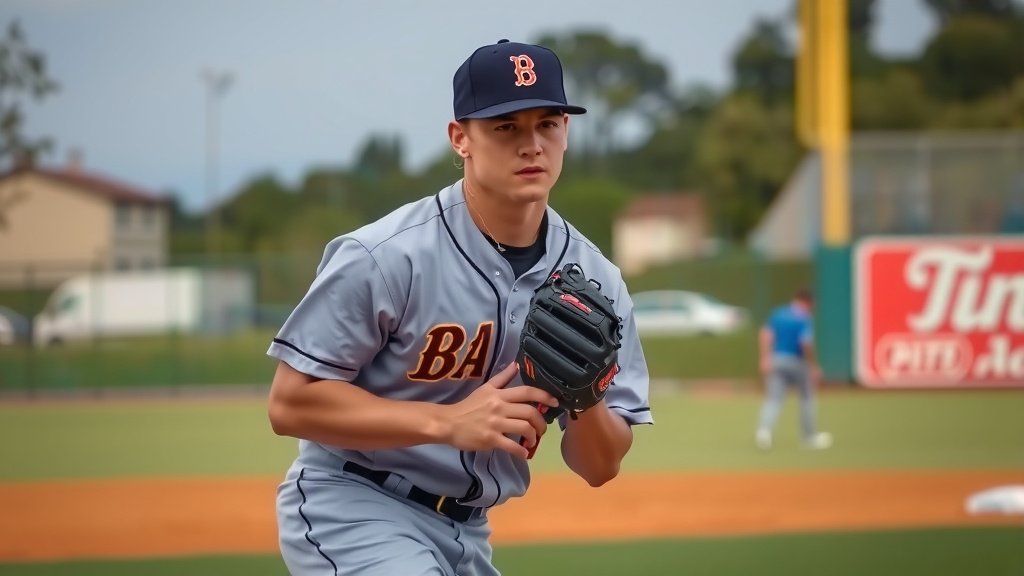
Shortstop vs. Other Infield Positions
How does shortstop stack up against other infield spots? Each position has its unique challenges and requirements.
| Position | Primary Area Covered | Key Skills Often Emphasized |
|---|---|---|
| Shortstop (6) | Between 2nd and 3rd Base | Arm strength, agility, quick reflexes, glove work |
| Second Baseman (4) | Between 1st and 2nd Base | Quick hands, good footwork, turning double plays |
| First Baseman (3) | Near 1st Base | Ball security, good reach, handling throws |
| Third Baseman (5) | Between 3rd Base and SS | Quick reaction to hard-hit balls, strong arm, good reflexes |
As you can see, while all infielders need good hands, the shortstop often needs the most diverse skillset. Their range and the variety of plays they’re involved in make them stand out. We found that the demands on a shortstop are frequently higher due to their central location in the infield.
Shortstop: The Most Athletic Infield Position?
Is the shortstop the most athletic player on the field? Many baseball analysts would argue yes. They need speed, agility, a strong arm, quick hands, and excellent coordination.
Think about the plays they make: diving stops, leaping catches, quick throws from their knees. It’s a continuous demonstration of athleticism. We found that when teams are looking for prospects, they often prioritize shortstops for their high level of physical capabilities. This athleticism allows them to cover more ground and make spectacular plays that can change the momentum of a game.
Conclusion
You’ve learned that position 6, the shortstop, is far more than just a spot on the field. It’s a demanding role requiring exceptional athleticism, a strong arm, and incredible agility. This player acts as the defensive anchor, turning double plays and preventing stolen bases. Their communication and strategic thinking are just as important as their fielding prowess. To excel, you need years of practice, mental toughness, and a deep love for the defensive side of baseball. If you’re looking to understand baseball’s toughest infield position, you now have a clear picture of what makes a great shortstop.
Frequently Asked Questions
What number is the shortstop in baseball?
The shortstop is represented by the number 6 on a baseball scoring sheet or jersey. This numerical designation is universally recognized in baseball.
Why is the shortstop considered so athletic?
Research shows shortstops need a combination of speed, agility, arm strength, and quick hands to cover a large area and make difficult plays. Their role demands constant movement and reaction to batted balls.
Can a strong-armed outfielder play shortstop?
While arm strength is important for both, the agility and quickness needed for ground balls and short throws make it a different skillset. Many shortstops have strong arms, but the primary demands differ.
Is it harder to play shortstop than third base?
Both are challenging, but shortstops often cover more ground laterally and have more varied throwing angles. Third basemen react to extremely hard-hit balls and need quick reflexes, but the shortstop’s range is usually greater.
What’s the most important skill for a shortstop?
While arm strength and agility are vital, many experts point to a shortstop’s baseball IQ and ability to anticipate plays as the most important factor. This allows them to be in the right place to field the ball consistently.