How Baseball Rules Evolved From 1845 to November 2026
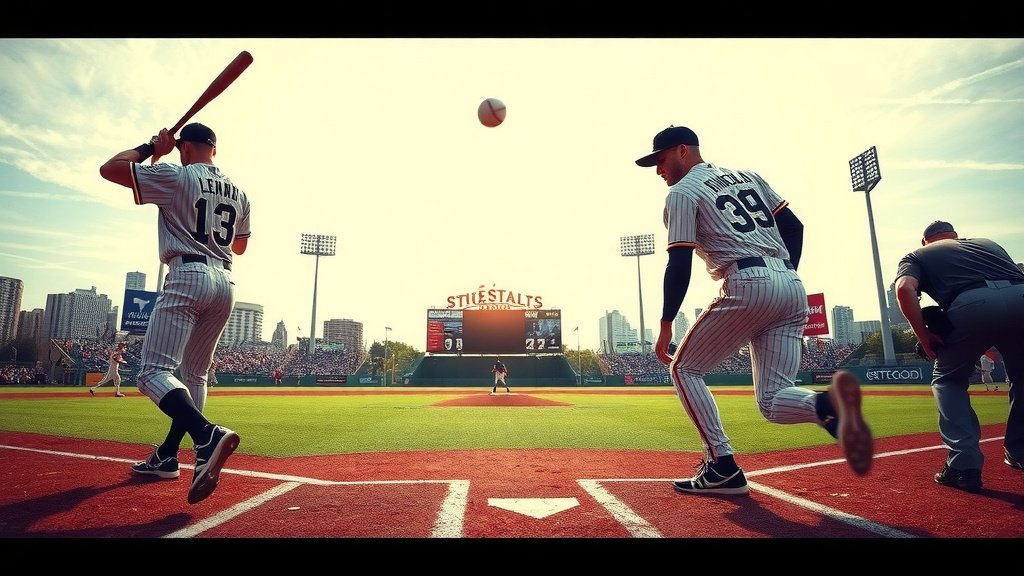
The evolution of baseball rules is the story of how America’s pastime changed from a loose set of guidelines in the 1840s into the detailed rulebook we know today. Some changes were huge, like dropping underhand pitching requirements. Others were small tweaks that quietly reshaped the game.
Why should you care? Because every rule tells a story. When you understand how the strike zone, the designated hitter, and even the pitch clock came to be, you see baseball differently. We dug through decades of rule changes and found that most of them happened for one simple reason: to make the game fairer, faster, or more fun to watch.
TL;DR — Quick hits on how baseball rules changed:
- Baseball’s first official rules appeared in 1845 with the Knickerbocker Club.
- Pitching rules loosened over time, going from underhand tosses to today’s full windups.
- The designated hitter joined the American League in 1973 and reached the National League in 2022.
- Recent changes, like the pitch clock, aim to speed up games.
- Baseball is still changing, and more rule updates are always on the way.
Below, we walk through the biggest rule changes in baseball history, era by era, so you can see exactly how the game got to where it is today.
How Baseball’s Rules Changed Through the Years
Baseball’s rules changed slowly at first, then quickly in bursts. Each era fixed a problem fans or players were tired of. Let’s walk through them together, one period at a time.
The Knickerbocker Era: 1845 to 1900
In 1845, Alexander Cartwright and the Knickerbocker Base Ball Club of New York wrote down the first official rules. Before that, every town played by its own version. You can imagine the chaos when two teams with different rules met.
The early rules set 90-foot base paths and nine players per side. We found that many of these basics never changed again. But plenty of other things did.
Early Oddities You’d Barely Recognize
In the 1840s, catchers played without gloves. Batters could call for a high pitch or a low one. Umpires sat in chairs and fans sometimes voted on close calls. It was a looser, friendlier game.
- First official rulebook: 1845, Knickerbocker Club.
- First recorded ballpark foul lines: 1857.
- Nine-inning games became standard: 1857. Our guide to the nine-inning game explains why that length became baseball’s standard.
- Called strikes introduced: 1858.
- Gloves began appearing: late 1870s.
The Dead-Ball Era: 1901 to 1919
This period earned its name because the balls stayed in play until they were literally falling apart. A dirty, scuffed ball doesn’t fly far. Games were low-scoring chess matches.
Rules back then favored pitchers. Spitballs and other trick pitches were legal, which made hitting even harder. Many experts say the sport knew it had a problem brewing.
The Live-Ball Revolution: 1920
After a batter was killed by a pitched ball in 1920, baseball made sweeping changes. Ray Chapman’s death remains the only on-field fatality in MLB history. The league banned the spitball and started replacing dirty balls during games.
The result? More offense, more home runs, and a more exciting show. Babe Ruth’s rise happened partly because the rules finally let the ball fly. It’s a good reminder that rule changes often follow tragedy, not just boredom.
Mid-Century Tweaks That Reshaped Strategy
From the 1940s through the 1960s, baseball kept fine-tuning. Some changes look tiny on paper but shifted entire strategies.
The Strike Zone Grows and Shrinks
The strike zone has been redrawn more than once. In 1963, it expanded to slow down dominant hitters. In 1969, it shrank back down after pitching got too strong. Think of it like a thermostat that league officials keep adjusting.
We found that the zone moved again in 1988 and 1996, with the bottom edge lowered each time. Pitchers and hitters still argue about it today, and honestly, they probably always will.
The Designated Hitter Arrives
In 1973, the American League adopted the designated hitter, letting one player bat in place of the pitcher. The National League held out for decades. Fans loved arguing about it.
Why the change? Pitchers were weak hitters, and AL owners wanted more offense. The rule finally reached the National League in 2022, unifying both leagues at last.
| Rule Change | Year | Why It Happened |
|---|---|---|
| Spitball banned | 1920 | Safety and fairness after a batter’s death |
| Strike zone redefined | 1963, 1969 | Balancing pitching and hitting |
| Designated hitter (AL) | 1973 | Boost offense and attendance |
| Wild card playoffs | 1994 | More teams in contention |
| Instant replay review | 2008 | Fix umpire mistakes |
| DH in both leagues | 2022 | Consistency across MLB |
Playoffs and Replay: The Modern Era
The wild card arrived in 1994 and expanded over time. Instant replay followed in 2008, first for home runs, then for most close calls. Purists grumbled, but fairness won out.
If you’ve ever yelled at an umpire through your TV, replay is baseball’s way of saying, “We hear you.”
Recent Pace-of-Play Rules
In 2023, MLB rolled out its biggest set of changes in decades. Research on game lengths showed fans wanted quicker games, and the league listened.
- Pitch clock: 15 seconds with bases empty, 20 with runners on.
- Bigger bases to reduce collisions and encourage steals.
- Limit on pickoff attempts per plate appearance.
- Defensive shift restrictions with two infielders on each side.
- Shorter, end-of-inning break timers.
We found that early reports from MLB showed game times dropped by roughly 24 minutes in 2023. That’s the biggest single-season improvement in years, and fans noticed.
A Quick Checklist: Rule Changes You Should Know
Want to sound sharp at your next backyard barbecue? Here’s your cheat sheet.
- Know the 1845 Knickerbocker rules as the starting point.
- Remember 1920 as the year offense got its wings.
- Track the strike zone’s back-and-forth moves.
- Know the DH timeline: 1973 AL, 2022 NL.
- Mention the 2023 pitch clock to sound current.
- Expect more changes, because baseball never stands still.
What’s Next for Baseball’s Rulebook?
Rulemakers keep testing ideas in the minor leagues before promoting them. Robo umpires, or automated ball-strike systems, have already been trialed. Many experts say it’s only a matter of time before technology calls balls and strikes at the top level.
The pattern is clear. When a rule stops serving players or fans, it changes. That’s been true since 1845, and we’d bet it stays true for the next 180 years too.
Conclusion
Baseball’s rulebook is really a story of people fixing problems. The Knickerbocker Club gave us the foundation in 1845, tragedy forced safety changes in 1920, and the pitch clock finally tackled slow games in 2023. Every tweak you learned about here happened because someone wanted the game to be fairer or more fun. That’s a tradition worth appreciating the next time you watch a nine-inning showdown. So here’s your next step: pull up a classic game or head to a ballpark soon, and see how many rules you can spot in action. Once you know the why behind them, you’ll never watch baseball the same way again.
Frequently Asked Questions
Who invented the first official baseball rules?
Alexander Cartwright and the Knickerbocker Base Ball Club wrote the first formal rulebook in 1845. Earlier versions of the game existed, but no single set of rules was widely accepted. The Knickerbocker rules gave baseball a standard structure that leagues could build on.
Why did baseball ban the spitball?
Baseball outlawed the spitball after the 1920 season, following Ray Chapman’s death from a pitched ball. Pitchers had less control over wet or doctored balls, which made them more dangerous. The ban was part of a broader push for safety and fairer competition.
Can MLB rules change during the season?
Major rule changes almost always take effect at the start of a season. This gives players, coaches, and umpires time to prepare. Smaller clarifications or interpretations can happen mid-season, but big overhauls are announced in the offseason.
What is the oldest baseball rule that still exists today?
The 90-foot base paths date back to the Knickerbocker era and remain unchanged. The nine-player lineup is another original feature that stuck. These two basics have shaped more than 175 years of strategy and field design.
Are robo umpires coming to Major League Baseball?
Automated ball-strike systems have been tested in the minor leagues and spring training. MLB has not announced a full rollout date, but research and found reports suggest the technology keeps improving. Many experts expect some form of it at the top level within the next few years.