How to Choose Batting Gloves: A Buyer’s Guide for 2026
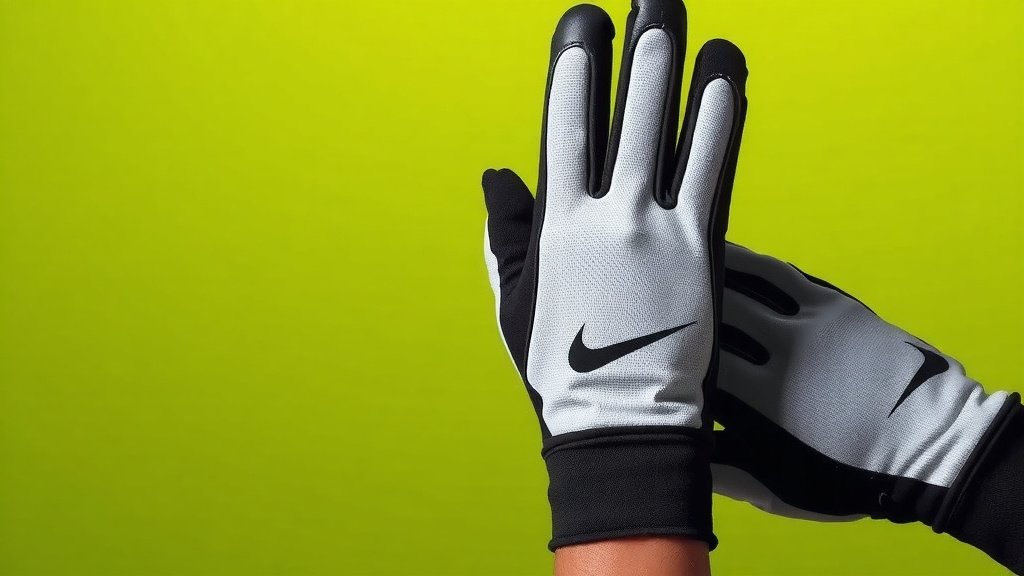
Choosing the right batting gloves comes down to three things: fit, grip, and material. Your gloves should feel snug but not tight, with no bunching at the palm when you close your hand. Pick leather for durability or synthetic for breathability, depending on how often you play.
Why does this matter so much? Because the wrong pair can cost you. Loose gloves slide during your swing, and stiff ones make it hard to feel the bat. We researched what coaches and players recommend, and we found that most agree on a few simple rules that work for everyone, from little league to weekend softball.
Here’s the quick version:
- Measure your hand to find the right size, then try them on if you can.
- Look for a snug fit with no extra material at the fingertips.
- Choose leather for long-lasting gloves or synthetic for hot days.
- Check the wrist strap so the gloves stay secure during your swing.
- Match the glove to your season — thinner pairs for summer, padded ones for cold weather.
Below, we break down exactly how to pick the best pair for your hands and your budget, step by step. Let’s get you swinging with confidence.
Picking the Right Batting Gloves for Your Hands
Your hands are the only part of your body touching the bat, so the gloves you choose matter more than most gear decisions. The right pair feels like a second skin. The wrong pair feels like swinging with oven mitts on.
We researched what hitting coaches and equipment fitters say works best, and the answer starts with one thing: knowing your hand.
Step 1: Measure Your Hand the Right Way
Grab a tape measure and wrap it around your dominant hand at the widest point, just below the knuckles. Keep your hand relaxed, not flexed. That number, in inches, is roughly your glove size.
Most brands print a size chart right on the package. When you fall between two sizes, many fitters suggest going with the smaller one, since leather stretches slightly over time. A glove that starts loose only gets looser.
Youth Sizing Is Different
Kids’ gloves run on age ranges, but ages lie. A lanky 10-year-old can have bigger hands than a stocky 12-year-old. We found that measuring beats guessing every time, even for young players. If your kid is between sizes, size up a little so they get a full season out of the pair.
Step 2: Nail the Fit Before Anything Else
Fit beats every fancy feature. A glove loaded with padding is useless if it slides around mid-swing.
Here’s what a good fit feels like:
- Snug at the palm — no extra material bunching when you close your fist.
- Fingertips touch the ends — but they don’t press hard against the seams.
- No dead space at the base of your thumb.
- Full finger flex — you should make a fist without a fight.
Try the “grab test” in the store. Grip an imaginary bat and hold it for ten seconds. If anything pinches, binds, or slides, that’s not your glove.
Step 3: Choose Your Material Wisely
Batting gloves come in three main builds, and each one suits a different kind of player.
| Material | Best For | The Trade-Off |
|---|---|---|
| Leather (sheepskin or cabretta) | Regular players who want durability and a classic bat feel | Takes a few practices to break in; holds sweat |
| Synthetic | Hot weather, beginners, budget shoppers | Wears out faster than leather |
| Hybrid (leather palm, synthetic back) | Players who want grip plus breathability | Usually costs a bit more |
Many experts say the palm is where material matters most, since that’s what grips the bat. A leather palm gives you better bat feel and lasts far longer. The back of the hand can be stretchy synthetic without costing you much performance.
Step 4: Check the Grip and Palm Padding
Not all palms grip the same. Some have textured patterns printed into the leather. Others use a tacky coating that feels sticky out of the box but fades fast.
Here’s a simple rule we found across coach recommendations: the better your bat grip tape, the less you need from your gloves. If your bat handle is smooth and worn, pick a glove with a textured palm to make up the difference.
Padding is a personal call, too. Extra palm padding protects your hands from vibration on cold mornings and inside-out pitches. But thick padding dulls your feel for the barrel. Many hitting instructors suggest thin padding unless you play every day in cold weather.
Step 5: Look Closely at the Wrist Closure
The wrist strap is the unsung hero of a batting glove. It keeps the glove locked against your hand through every swing.
You’ll find three common styles:
- Simple elastic band — light and low-profile, fine for casual play.
- Hook-and-loop strap — adjustable, the most common choice for good reason.
- Wraparound closure — maximum support, popular with players recovering from wrist soreness.
If your gloves ever slide during a swing, a better closure often fixes it without changing anything else.
Matching Gloves to Your Season and Conditions
Weather changes what you need from a glove. What works in July can be miserable in March.
Hot Weather Gloves
Summer ball means sweat, and sweat means slipping. Look for mesh or perforated backs that vent heat. Some players keep two pairs and rotate them between at-bats so one pair dries while the other works. Clever, right?
Synthetic and hybrid gloves handle heat better than full leather, which gets soggy and stiff after a sweaty game.
Cold Weather Gloves
Cold hands lose feel fast. Padded, insulated gloves help, but many players layer instead — wearing a thin pair of batting gloves under a heavier pair. Others warm their hands on hand warmers between innings.
Keep in mind that stiff, cold hands are more prone to injury from bat vibration. Cleveland Clinic guidance on hand injuries notes that cold muscles and tendons are more vulnerable to strain, so warming up your hands and wrists before swings isn’t just comfort — it’s protection.
Budget, Durability, and When to Replace Them
You can find decent gloves for under $25, and premium pairs run $40 to $70. Does price guarantee performance? Not really. What you pay for at the high end is leather quality, better stitching, and a more natural bat feel.
We found that frequent players get their money’s worth from mid-range or premium leather gloves. Casual players and kids between sizes do fine with budget synthetic pairs.
Replace your gloves when you see these signs:
- The palm is worn smooth or shiny in the grip zone.
- Stitching is coming loose along the fingers.
- The fit has stretched past snug into sloppy.
- You can feel the bat seams through a thinning palm.
Playing three or four times a week, expect a leather pair to last most of a season. Synthetics may need replacing twice as often.

Your Quick Batting Glove Checklist
Before you buy, run through this list. It takes two minutes and saves you from a pair you’ll regret.
- Measured your hand at the knuckles and checked the size chart.
- Snug fit — no bunching, no sliding, no pinching.
- Material matched to your season and play frequency.
- Palm texture suited to your bat’s grip.
- Wrist closure tested for a secure, comfortable hold.
- Break-in plan if you chose leather.
That’s it. Fit, grip, material, closure, and a little honesty about how often you actually play. Get those right, and the only thing you’ll think about at the plate is the pitch — not your hands.
Conclusion
Finding the right batting gloves isn’t rocket science. Measure your hand, demand a snug fit, and match the material to how often you play. Add a wrist closure that keeps everything locked in, and you’re set. We found that players who follow these steps stop thinking about their gloves entirely — and that’s the whole point. Your hands should disappear the moment you step into the box, leaving only you and the pitch. So grab that tape measure, check one brand’s size chart tonight, and order a pair you can trust by next weekend’s game.
Frequently Asked Questions
Should I wear one batting glove or two?
Most players wear two for balanced grip and protection, but it comes down to comfort. Some hitters wear just one on their top hand to get more bat feel. Try both setups during practice and see what feels natural.
How do I break in new batting gloves faster?
Wear them during soft toss or tee work before using them in a full game. You can also flex them by hand while watching TV to soften the leather. A few short sessions usually does the trick.
Can I wash my batting gloves?
Yes, but gently. Hand-wash them in cool water with mild soap, then air-dry them away from direct heat. Machine washing and dryers will wreck the leather and shrink the fit.
Do batting gloves actually improve your swing?
They don’t add power by themselves, but they do keep your grip steady when your hands sweat or sting. That steadier grip helps you swing with control. Think of them as consistency gear, not magic.
Are expensive batting gloves worth the money?
For players hitting several times a week, we found premium leather pairs hold up long enough to justify the price. Casual players and growing kids usually do just fine with budget pairs. Buy for your playing frequency, not the brand name.