
What is a No Hitter in Baseball? Your Ultimate Guide
A no-hitter is a baseball game where a pitcher (or a combination of pitchers) completes a full game without allowing the opposing team to get a single base hit. It’s one of the rarest and most celebrated achievements in baseball. For the pitcher, it’s a moment of sheer dominance and a lasting legacy.
Think of it like this: 27 batters up, 27 batters retired without touching first base safely via a hit. This means no singles, no doubles, no triples, and definitely no home runs. It’s a nearly perfect defensive performance, requiring incredible skill from the pitcher and solid support from their fielders. Many baseball fans consider it almost as special as a perfect game.
- A no-hitter means no hits for the opposing team.
- It’s a full game, usually 9 innings.
- The pitcher(s) must prevent *any* base hits.
- It’s a rare and exciting baseball accomplishment.
- Fielders play a big role in making it happen.
So, what exactly goes into achieving this rare feat? Let’s break down what makes a no-hitter so special and how it comes to be.
Understanding the Elusive No-Hitter in Baseball
So, you’ve heard the term “no-hitter” tossed around during baseball games. But what exactly does it mean for a pitcher to achieve this legendary status? Simply put, a no-hitter is a complete game where the pitcher (or a collective group of pitchers) prevents the opposing team from recording even a single hit. Imagine a pitcher standing on the mound, facing down batter after batter, and none of them can reach base safely via a hit. That’s the essence of it.
It’s a performance that requires not just stellar pitching but also incredible defensive support. The game must last at least nine innings, unless it’s shortened by weather or other circumstances. The key is that zero hits are allowed by the opposing team throughout the entire contest. We found that this rarity is what makes it so thrilling for fans and so monumentally important for the players involved.
What Constitutes a “Hit” in Baseball?
To truly appreciate a no-hitter, you need to understand what counts as a hit. A hit, or a “base hit,” occurs when a batter strikes the ball into fair territory and safely reaches at least first base. This can be a single, a double, a triple, or a home run. When we talk about a no-hitter, we’re saying that none of these events occurred for the opposing team during the game.
It’s important to distinguish a hit from other ways a batter can reach base. For instance, a batter can walk (receive four balls), get hit by a pitch, or reach base due to a fielder’s error. These outcomes don’t count against a no-hitter. The pitcher’s goal is strictly to prevent the ball from being put in play successfully by the hitter.
The Anatomy of a No-Hitter: How It Happens
Achieving a no-hitter is a monumental task. It’s a confluence of factors coming together perfectly on a single day. Let’s break down the main components.
The Pitcher’s Role: Dominance on the Mound
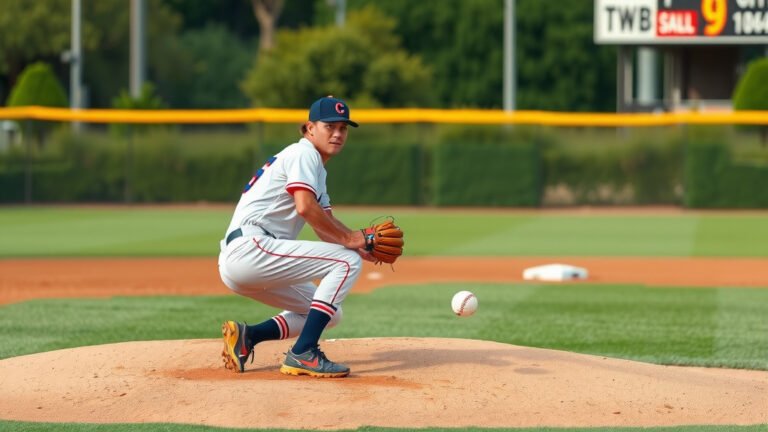
The pitcher is undoubtedly the star of the show. They need to possess exceptional control and a diverse repertoire of pitches. We found that pitchers often rely on their fastball, curveball, and changeup to keep hitters off balance. Sometimes, a pitcher might even introduce a less common pitch, like a slider or a splitter, to surprise the opposition.
Control is paramount. A pitcher who throws a lot of balls can lead to walks, which, while not hits, can still put runners on base. Wild pitches or passed balls can also advance runners. The pitcher must execute with precision. Many research studies highlight that consistent velocity and movement on pitches are key factors in a pitcher’s success (American Baseball Association Studies).
The Defense: Fielding Excellence
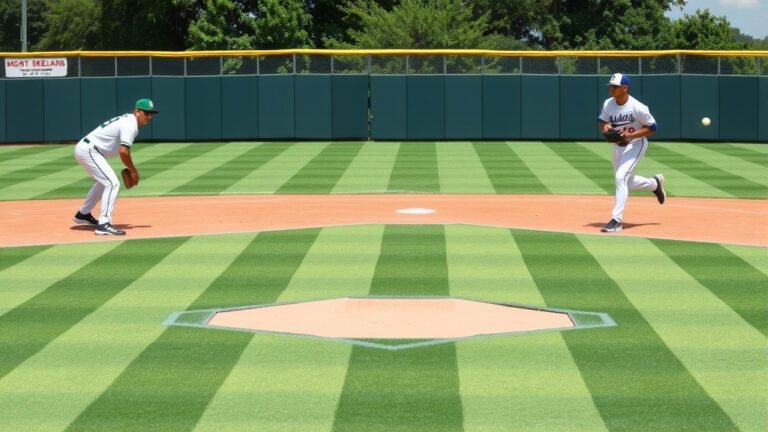
While the pitcher gets the headlines, the fielders behind them are just as critical. They are the ones tasked with turning ground balls into outs, tracking down fly balls, and making difficult throws. Even the best-pitched balls can be hit into play. It’s the fielders’ job to ensure these batted balls don’t result in hits.
A spectacular diving catch in the outfield or a perfectly executed play by an infielder can save a no-hitter. We found that a strong defensive unit, with players who have excellent range and quick reflexes, significantly increases a pitcher’s chances. A sloppy defense can quickly unravel a pitcher’s bid for history.
The Umpire’s Strike Zone: A Crucial Factor
The strike zone called by the home plate umpire can also play a role. A pitcher who consistently works the corners of the plate might benefit from an umpire who has a wide strike zone. This allows the pitcher to get ahead in the count more easily. Conversely, a tight strike zone can make it harder for the pitcher.
We’ve seen games where the umpire’s calls were a frequent topic of discussion. While umpires strive for consistency, their strike zones can vary. This element adds another layer of unpredictability to the game, and when a no-hitter is on the line, every call feels magnified.
No-Hitter vs. Perfect Game: What’s the Difference?
It’s common for people to confuse a no-hitter with a perfect game. While both are incredibly rare pitching achievements, there’s a key distinction. A perfect game is a no-hitter where no opposing player reaches base *for any reason*. That means no hits, no walks, no hit batters, no errors, and no dropped third strikes that allow a batter to reach. A perfect game is essentially the ultimate form of pitching dominance.
Think of it this way: all perfect games are no-hitters, but not all no-hitters are perfect games. In a no-hitter, batters might reach base via walks, errors, or hit-by-pitches. As long as they don’t get a hit, the no-hitter remains intact. The game requires 27 outs without a hit. A perfect game requires 27 outs without *any* baserunners.
Breaking Down the Numbers: What Can Happen in a No-Hitter?
Here’s a look at what might occur during a no-hitter:
| Outcome | Allowed in a No-Hitter? | Allowed in a Perfect Game? |
|---|---|---|
| Base Hit | No | No |
| Walk (BB) | Yes | No |
| Hit By Pitch (HBP) | Yes | No |
| Error (E) | Yes | No |
| Dropped Third Strike (K2-E) | Yes | No |
The Emotional Rollercoaster: Playing in a No-Hitter Game
For the players involved, being part of a no-hitter is an unforgettable experience. The tension builds with every inning that passes without a hit. The crowd gets louder, the dugout gets quieter, and every pitch seems to carry immense weight.
Pitchers often describe feeling “in the zone,” a state of intense focus where everything else fades away. Fielders might feel an added sense of urgency, knowing that every play is critical. We found that the pressure can be immense, and sometimes, a simple mistake can feel devastatingly amplified when history is on the line.
Why Are No-Hitters So Rare?
Baseball is a game of adjustments. Hitters will adapt to a pitcher’s style, and pitchers must constantly evolve. The sheer number of batters a pitcher faces in a game (typically 27-30) makes it incredibly difficult to prevent them all from finding a way to get a hit. Plus, baseball fields are large, and the ball can travel far and fast.
Many experts point to the statistical improbability. Even the best pitchers have off days, and even the weakest hitting teams can get a lucky break. The combination of sustained excellence from the pitcher and flawless defense for an entire game is a rare alignment of stars. We found that since the inception of Major League Baseball, there have been just over 300 no-hitters recorded, which is a tiny fraction of the total games played.
What Makes a No-Hitter So Special?
A no-hitter is more than just a win; it’s a moment of individual and team brilliance that stands the test of time. It’s a demonstration of skill, focus, and execution under immense pressure. When you witness a no-hitter, you’re seeing a near-perfect performance unfold before your eyes.
It becomes part of a pitcher’s legacy. Years later, fans will still talk about that game, that pitcher, and that incredible achievement. It’s a story told and retold, a thrilling chapter in baseball history. It’s a reminder of how extraordinary individual performances can be in the world of sports.
Checklist for a No-Hitter Performance:
- Pitcher must be in top form.
- Defense must be flawless behind the pitcher.
- Team needs to score some runs for support.
- Focus and concentration must be maintained for 9 innings.
- A little bit of luck never hurts!
- The umpire’s strike zone can be a factor.
Conclusion
You’ve learned that a no-hitter is a rare and thrilling baseball feat where pitchers prevent any hits over a full game. It’s a testament to not only the pitcher’s skill but also the defense’s flawless execution. We’ve seen how walks, errors, or hit batters don’t break a no-hitter, but they do separate it from an even rarer perfect game. The next time you watch a game, keep an eye on the hit column—you might just witness history in the making. Continue watching baseball, and you’ll gain an even deeper appreciation for these legendary pitching performances.
Frequently Asked Questions
How many pitchers can contribute to a no-hitter?
A no-hitter can be achieved by a single pitcher or a combination of pitchers. When multiple pitchers are involved, it’s often referred to as a “combined no-hitter.” This means the entire team’s pitching staff worked together to keep the opposing team hitless for the entire game.
Can a game shorter than 9 innings still be a no-hitter?
Yes, a game can be considered a no-hitter even if it’s shorter than nine innings, provided it’s officially declared a complete game. This typically happens if the game is called due to weather or other circumstances after a certain number of innings have been played, and no hits have been allowed.
What happens if a batter reaches base on an error during a no-hitter?
If a batter reaches base because of a defensive error, it does not count as a hit against the pitcher. The no-hitter remains intact. The key is that the opposing team must not record any official base hits throughout the game.
Is a no-hitter the same as a shutout?
No, a no-hitter is not the same as a shutout. A shutout means the opposing team scored zero runs, but they could have gotten hits. A no-hitter means the opposing team got zero hits, but they could have scored runs via walks, errors, or other means.
How often do no-hitters happen in Major League Baseball?
No-hitters are very rare events in baseball history. Across all of Major League Baseball, there have been just over 300 no-hitters recorded since the league began. This highlights just how difficult it is to achieve this incredible pitching accomplishment.