Master Youth Baseball Coaching: Tips for Success
Coaching youth baseball is about teaching fundamentals and building good sportsmanship. You can do this by focusing on positive reinforcement and making practices fun and engaging. It’s less about winning and more about your players learning and growing as a team.
Great youth coaches understand the importance of making the game accessible for all skill levels. They create a supportive environment where kids feel comfortable trying new things and learning from mistakes. Building confidence is just as important as teaching a proper swing or a strong throw.
- Teach the basics first.
- Keep practices fun.
- Focus on effort and improvement.
- Be a positive role model.
- Communicate with parents.
Let’s walk through exactly how to get your team ready for a great season.
“`htmlGuiding Young Athletes: Your Youth Baseball Coaching Handbook
Coaching youth baseball is a rewarding experience. You get to shape young players’ skills and character. It’s about building a team. More importantly, it’s about helping kids grow. You’ll teach them more than just how to hit a ball. You’ll teach them teamwork and sportsmanship.
Building a Solid Foundation: Essential Baseball Skills
Every great baseball player starts with the basics. Your job is to instill these fundamentals early. This builds confidence. It also prevents bad habits later on. Think of it like building a house. You need a strong foundation.
Mastering the Throw: Arm Care and Technique
A good throw is key in baseball. You want your players to throw accurately and with power. But arm health is very important. We’ve all heard stories about young pitchers getting hurt.
Focus on proper throwing mechanics. This includes a stable base. It also involves a full arm circle. Keep the throwing motion smooth. Avoid jerky movements. Many youth sports organizations recommend limiting pitching innings. This helps protect young arms (Little League International).
Teach them to follow through with their throws. This is often overlooked. A good follow-through helps with accuracy. It also reduces strain on the arm. Practice throwing at different distances. Start close and gradually increase. Make it a fun game, not a chore.
Grasping the Glove: Fielding Drills
Fielding is about anticipating the ball. It’s also about good hand-eye coordination. You want players to be active fielders. That means moving to the ball.
Use drills that focus on getting in front of the ball. Teach them to use two hands. This is the safest way to catch. It also increases the chance of securing the ball. Roll or hit ground balls at different speeds. Vary the angles. This prepares them for game situations.
For fly balls, teach them to track the ball’s trajectory. They should watch it all the way into their glove. Coach them to use their “alligator mouth” or “alligator jaws” in their glove. This means having the glove open when the ball arrives.
Swinging for Success: Batting Fundamentals
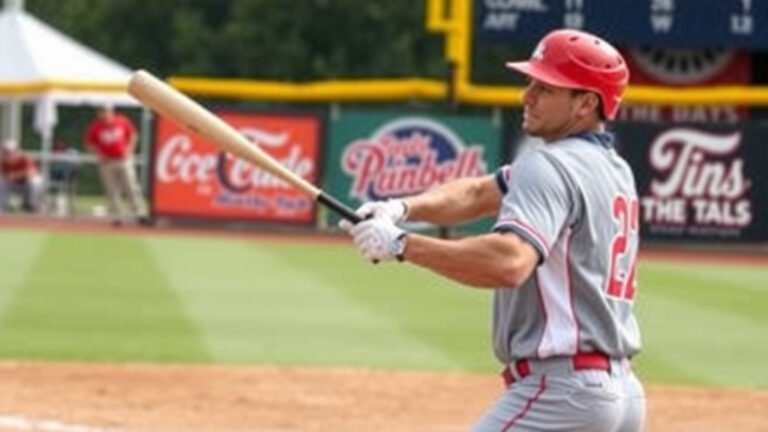
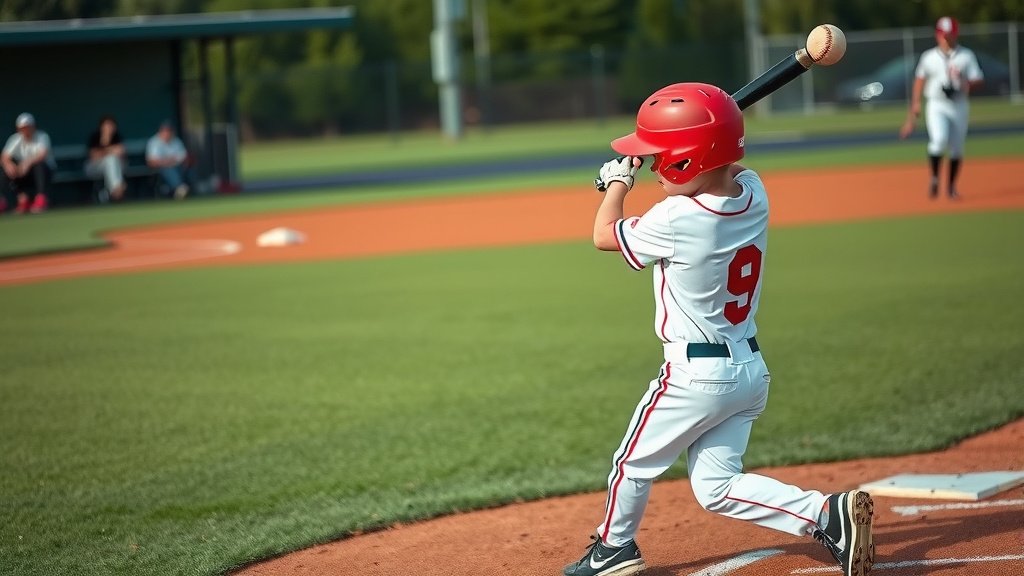
Hitting can be the most challenging skill. Keep it simple for young players. Focus on a balanced stance. Their feet should be about shoulder-width apart. They need to be comfortable.
Teach them to keep their eye on the ball. This is the golden rule of hitting. Have them watch the ball hit the bat. This sounds easy, but it’s hard. Many young players look away too soon.
Work on a smooth, level swing. Avoid big, looping swings initially. A level swing is more effective for making contact. Practice hitting off a tee. This allows them to focus solely on their swing. Then progress to soft toss. Finally, try live pitching when they’re ready.
Making Practice Productive and Fun
Practices are where the magic happens. They should be structured but not rigid. Kids learn best when they’re engaged. Boredom is the enemy of development.
Structuring Your Practice Sessions
A good practice starts with a warm-up. This should include light jogging and dynamic stretching. Dynamic stretches prepare the body for movement. Static stretching is better for after practice.
Break your practice into segments. Allocate time for each skill area. Don’t spend too long on one thing. Switch activities frequently. This keeps energy levels high.
Consider using stations for drills. This allows multiple groups to work simultaneously. For example, one station could be for fielding ground balls. Another could be for tee work. A third could be for base running.
Injecting Fun into Drills
Turn drills into games. Instead of just fielding ground balls, make it a competition. Who can field ten ground balls cleanly first? Award points for good form.
Use positive reinforcement. Praise effort and improvement, not just results. “Great hustle!” or “I love how you tracked that ball!” goes a long way. When a player makes a mistake, help them learn from it. Ask them, “What could you do differently next time?”
Celebrate small victories. Did a player get a good hit? Did someone make a great catch? Acknowledge it. A little encouragement can boost a child’s confidence immensely.
Beyond the Field: Character and Sportsmanship
Your role as a coach extends beyond baseball skills. You’re a mentor. You’re teaching life lessons. Sportsmanship is a big part of that.
The Importance of Fair Play
Teach your players to respect the game. This includes respecting opponents. It also means respecting umpires and officials. Even when calls don’t go their way, they need to remain composed.
Model good behavior yourself. If you argue calls or show frustration, your players will too. Be the example of how to handle adversity with grace. Remember, they’re watching everything you do.
Teamwork Makes the Dream Work
Baseball is a team sport. Success depends on every player contributing. Teach them to support each other. Encourage them to cheer for their teammates. Everyone plays a role, big or small.
Celebrate team successes. Winning is fun, but how you win matters. Emphasize playing hard and playing together. A cohesive team is often a successful one, regardless of the score.
Communicating with Parents
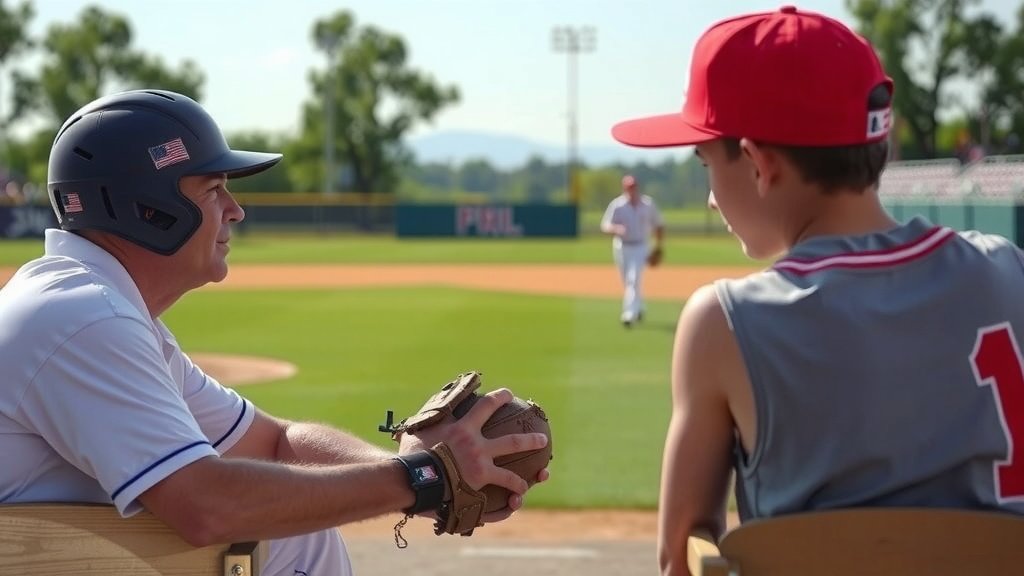
Parents are a vital part of the team. Clear communication can prevent misunderstandings. It also builds a positive partnership.
Setting Expectations Early
Hold a pre-season meeting with parents. Explain your coaching philosophy. Talk about your expectations for players and parents. Discuss playing time policies. Be transparent about your goals for the season.
Share your contact information. Let them know the best way to reach you. Establish guidelines for communication. For instance, suggest they email you with concerns rather than approaching you right before or after a game.
Keeping Everyone Informed
Provide regular updates. This can be through email or a team app. Inform parents about practice changes. Share upcoming game schedules. Briefly mention team progress and any upcoming events.
Encourage positive support from the stands. Ask parents to cheer for effort. Remind them that young players can be sensitive to excessive criticism from the sidelines. A united front between coaches and parents creates the best environment for the kids.
Your Coaching Checklist: Key Takeaways
Here’s a quick checklist to keep in mind throughout the season:
- Keep practices **structured** and **engaging**.
- Focus on **fundamental skills** consistently.
- Praise **effort and improvement** over just winning.
- Model **good sportsmanship** and **respect**.
- Maintain **open communication** with parents.
- Most importantly, make it **fun** for the kids!
Conclusion
You’re now equipped to guide your youth baseball team to a fantastic season. Remember, your role is about more than just drills and plays. It’s about nurturing young athletes’ skills while building their character. Focus on positive reinforcement and making every practice a learning adventure. By teaching the fundamentals, fostering sportsmanship, and maintaining open communication, you create an environment where kids thrive. Go out there, have fun, and make this a memorable season for your players!
Frequently Asked Questions
How often should I rotate players in different positions?
For younger leagues, it’s common practice to rotate players through most positions regularly. This ensures everyone gets exposure to different aspects of the game. As players get older, you might start specializing a bit more, but always aim for broad experience.
What’s the best way to handle a player who is always negative or a poor sport?
Address the behavior privately and calmly. Focus on the impact their attitude has on the team and explain the importance of positive support. Encourage them to cheer for teammates and remind them that everyone makes mistakes.
How can I make sure I’m teaching the fundamentals correctly?
Research proper mechanics from reputable sources like Little League International or USA Baseball. Watch instructional videos and, if possible, observe experienced youth coaches. Practice the motions yourself so you can demonstrate them clearly.
My players seem easily distracted during practices. How can I keep them focused?
Keep drills short, fast-paced, and engaging. Incorporate games and friendly competitions into your practice structure. A well-structured practice with clear objectives for each segment helps maintain attention.
What if parents have concerns about playing time or strategy?
Schedule a brief parent meeting before the season to outline your philosophy and communication guidelines. Encourage parents to communicate concerns via email instead of right before or after games. Respond promptly and professionally to their questions.