How to Throw a Changeup: Grip, Mechanics, and Drills
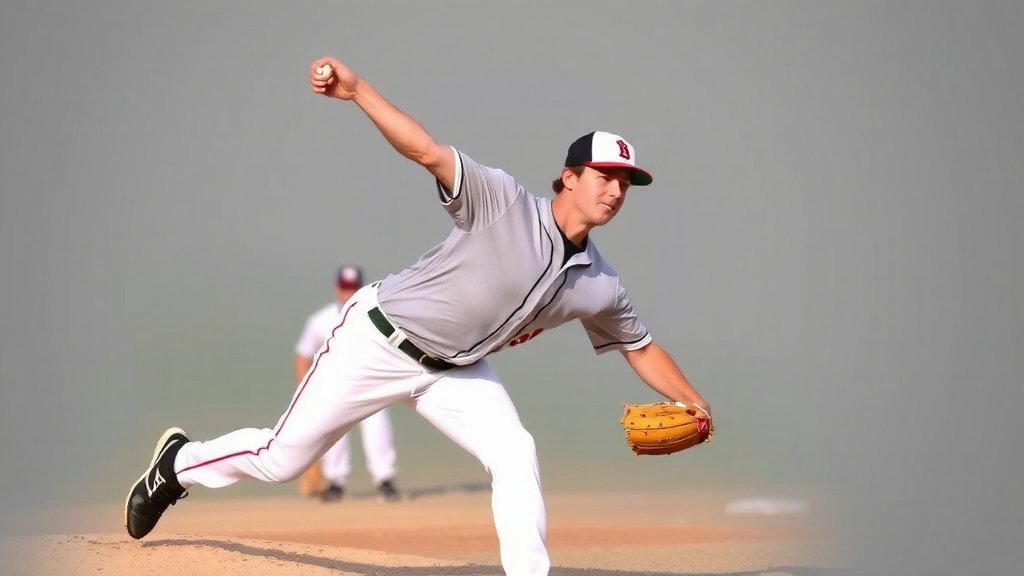
The easiest way to throw an effective changeup is to use your fastball arm speed and delivery, then grip the ball deeper in your hand and slow it down with your fingers, not your arm. When hitters see the same motion as your fastball, they swing early and miss — or get fooled badly.
Here’s the tricky part: the changeup isn’t about throwing slow on purpose. It’s about selling speed with your body while the ball comes out slower. We looked into what pitching coaches and former pros recommend, and they all agree on one thing — consistent arm speed is what makes or breaks this pitch. Master that, and you’ve got a weapon that works at every level.
- Use your normal fastball arm speed — that’s the secret to fooling hitters.
- Grip the ball deeper in your palm with the circle change or standard grip.
- Let your hand and fingers do the slowing down, not your arm.
- Aim for 8–12 mph slower than your fastball for best results.
- Practice throwing it to spots low in the zone, where it’s hardest to hit.
Below, we break down everything step by step — grips, drills, common mistakes, and how to know when to actually throw it in a game. Let’s get into it.
Throwing a Changeup That Actually Fooles Hitters
The changeup works when your body does everything exactly like a fastball, but the ball arrives slower. That’s it. Everything else — grip, drills, release — exists to support that one idea. Many coaches we researched describe it as a magic trick: your arm is the distraction, and the ball is the reveal.
Let’s break down how to build one you can actually trust in a game.
Choosing Your Grip: The Three Main Options
Your grip controls how much speed you shave off. There’s no single “best” grip — we found that most pitching coaches recommend starting with whichever one feels natural in your hand.
The Circle Change
Make an “okay” sign with your throwing hand. The circle forms around the ball, and your thumb and index finger rest on the side. This grip tends to add sinking action, which is why so many pros love it.
Heads up: it can be tough if you have smaller hands. If the circle feels impossible, don’t force it.
The Three-Finger Changeup
Think of it as a fastball grip with an extra finger. You tuck the ball deeper into your palm and add your ring finger for company. This is the friendliest option for younger pitchers, and it’s a great starting point.
The Palmball
Here you bury the ball deep in your palm, almost like you’re hiding it. The palm contact kills velocity naturally. It’s the slowest of the three grips, which is handy if your changeup keeps coming out too hot.
| Grip | Best For | Movement |
|---|---|---|
| Circle change | Larger hands, advanced feel | Arm-side fade and sink |
| Three-finger | Younger pitchers, beginners | Slight fade, easy control |
| Palmball | Killing velocity fast | Slow and straight |
Nailing Your Arm Speed (The Part Everyone Gets Wrong)
Here’s the hard truth: if you slow your arm down, hitters will read it like a billboard. “He’s throwing something soft.” Many experts say identical arm speed is the single most important factor in a changeup’s success.
So how do you keep the same arm speed when your brain is screaming “slow down”? You retrain your intent. When you throw a changeup, pretend you’re throwing your hardest fastball. Every single time. Your grip does the throttling — not your shoulder.
One helpful mental trick we came across: say “fastball” in your head as you throw the changeup. It sounds silly, but it keeps your body honest.
Where the Speed Comes Off the Ball
Your fingers and palm do the work. Because the ball sits deeper in your hand, there’s less finger on it at release, and less snap means less velocity. The ball should roll off your hand a bit softer, almost like you’re lobbing it with fastball energy.
Aim for 8–12 mph slower than your fastball. Too little difference and hitters don’t notice. Too much and they’ll recognize it and lay off, or tee off.
Drills to Build Feel for the Pitch
Feel is everything with this pitch. You can’t think your way into a good changeup — you have to throw hundreds of them until your hand knows the grip without checking. These drills help you get there.
The Towel Drill
Stand about 10–15 feet from a partner or wall, holding a rolled towel. Go through your full motion and snap the towel toward the target. Alternate fastball intent and changeup intent. The goal is a release point that looks identical either way.
Tunnel Throwing
Set up two targets in nearly the same spot — one for your fastball, one for your changeup. Throw them back to back. If your changeup looks different out of your hand, a hitter will catch it. If the balls “tunnel” together before splitting, you’ve done your job.
The Bucket Toss Check
Toss changeups into a bucket from 20–30 feet. This isolates feel without full effort. We found this drill especially popular with coaches working on grip pressure — if the ball pops out hard, you’re gripping too tight.
Where to Locate Your Changeup
Location turns a decent changeup into a great one. The general rule from most pitching instruction: keep it low in the zone, preferably bottom-third or just below the knees. Why? Because a changeup up in the zone gets crushed. It’s slow meat on a platter.
Down and away to a same-side hitter is the classic spot. Down and in works too, especially against hitters leaning out over the plate. What you want to avoid is the middle of the zone — that’s where dreams go to die.
Many pitching experts frame it this way: a changeup low gets weak ground balls and awkward swings. A changeup up gets launched. Simple math.
When to Actually Throw It in a Game
Knowing the pitch is only half the battle. Knowing when to use it separates pitchers who have a changeup from pitchers who have a weapon. Here’s what the strategy looks like:
- After establishing your fastball. Hitters need to see velocity first, so the slowdown means something.
- When a hitter is lunging or guessing fast. If their front foot is flying early, feed them a changeup.
- With two strikes. This is the classic kill count. Hitters are aggressive, and a changeup punishes that.
- Against aggressive first-pitch swingers. Nothing deflates a hacker like swinging at air on a slow ball.
- Never twice in a row to the same hitter — at least not early. Save the surprise.
One thing to remember: don’t panic if the first few game changeups get hit. It takes real at-bats to learn trust. Many pros admit their changeup was a disaster before it became a weapon.

Common Mistakes That Ruin a Changeup
Most failed changeups die from the same handful of errors. Here’s your quick diagnostic checklist — if your changeup isn’t fooling anyone, odds are it’s one of these:
- Slowing your arm down. The cardinal sin. Keep fastball speed, always.
- Gripping too tight. Squeeze the ball and it explodes out at fastball speed.
- Telegraphing with your body. Any change in posture, stride, or facial expression gives it away.
- Too much speed difference. A 20-mph gap is a lob, not a pitch.
- Throwing it only when behind in the count. Predictable equals hittable.
- Giving up on it too soon. Feel takes weeks, sometimes months. Stick with it.
Safety Notes for Younger Pitchers
Good news: the changeup is widely considered one of the safest offspeed pitches for young arms, since it doesn’t require violent wrist snapping like a breaking ball. Many youth pitching guidelines actually recommend it as the first offspeed pitch to learn (American Sports Medicine Institute guidelines have historically echoed this).
That said, arm health still matters. We found that the CDC and youth sports safety groups emphasize pitch counts and rest days above all else. Throwing any pitch with a tired arm is where trouble starts. If your arm hurts, stop. No pitch is worth a lost season.
Age matters too. Most youth baseball organizations suggest holding off on breaking balls until a pitcher is older, but the changeup is fair game early. Check your league’s specific rules, since they vary.
How Long Until Your Changeup Is Game-Ready?
Honest answer: it depends, but most pitchers need several weeks of consistent practice before they’d trust a changeup in a real game. Grip comfort comes first, then speed control, then location, then confidence.
A reasonable progression looks like this: two weeks of dry grips and short tosses, two weeks of bullpen work mixing it with fastballs, then low-leverage game situations like facing the bottom of an order. Track your results. If hitters are rolling over it or swinging early, you’re ready.
And be patient with yourself. Every pitcher’s hand is different, and finding “your” changeup — the grip that clicks — is part luck, part repetition. Keep throwing, keep adjusting, and one day the pitch will just show up. When it does, you’ll wonder how you ever pitched without it.
Conclusion
The changeup rewards patience more than any pitch in baseball. Keep your arm speed honest, pick the grip that fits your hand, and let your fingers — not your shoulder — take the speed off. Land it low in the zone, save it for the right hitters, and resist the urge to abandon it after one rough inning.
We’ve covered the grips, the drills, the mistakes, and the game plan. Now it’s your turn. Grab a ball today, work on your grip for ten minutes, and start building the feel. In a few weeks, you’ll have a pitch hitters can’t touch.
Frequently Asked Questions
Should a changeup break or fade?
Some movement is a bonus, but it’s not required. A circle change adds arm-side fade and sink, while a palmball stays fairly straight. If your changeup is straight but arrives 10 mph slower with the same arm speed, it will still get weak contact and confused swings.
Can I throw a changeup with a sidearm or three-quarter delivery?
Absolutely. The pitch works from any arm slot as long as your delivery matches your fastball. The core principle never changes: identical motion, slower ball. Sidearm pitchers often get extra run on their changeups, which can actually make the pitch harder to pick up.
Is a changeup the same as a splitter?
No, and the difference matters for your arm. A splitter is gripped between the index and middle fingers and drops sharply, but it puts more stress on your hand and wrist. A changeup relies on grip depth and soft release. For younger pitchers, coaches we researched consistently point to the changeup as the safer starting point.
How do I know if my changeup is too slow?
Watch the hitter’s reaction and check your numbers. If batters easily lay off the pitch or it floats in at a huge gap off your fastball — say 15 mph or more — you’ve gone too soft. You want roughly 8–12 mph of difference so the pitch still looks like a strike they can’t resist swinging at.
Should catchers call the changeup or should the pitcher decide?
At most levels, the catcher calls pitches, but communication goes both ways. If you have great feel for your changeup that day, tell your catcher between innings. Many coaches encourage pitchers to have input, especially once they’ve proven they can command the pitch. Trust goes both directions behind the plate. Our guide to calling pitches with your catcher explains how that behind-the-plate communication works.