How to Read a Bat Barrel Size: A Simple Guide for Players
The easiest way to read a bat barrel size is to check the diameter printed or stamped on the barrel itself, usually listed in inches like 2¼, 2⅝, or 2¾. That number tells you how wide the hitting surface is at its thickest point. Bigger barrel, bigger sweet spot. Simple as that.
Here’s the thing, though. Barrel size affects way more than just sweet spot. It changes your swing weight, your bat speed, and whether the bat is even legal for your league. We researched sizing rules across youth, high school, and adult leagues and found that picking the wrong barrel size is one of the most common (and most frustrating) mistakes players make. Ever wonder why your teammate’s bat feels like a log in your hands? The barrel size is a big part of the answer.
TL;DR:
- Barrel size means the diameter of the widest part of the bat, measured in inches.
- Common sizes range from 2¼ inches (youth) up to 2¾ inches (senior and BBCOR bats).
- You can find the size stamped on the barrel or listed on the bat’s product label.
- League rules often limit which barrel sizes are legal, so check before you buy.
- Larger barrels offer a bigger sweet spot but can slow down your swing.
Below, we break down everything you need to know about reading a bat barrel size, step by step. Grab your bat (or your shopping list), and let’s get into it.
Reading the Barrel Diameter on Your Bat
The barrel size is the diameter of the bat at its widest point, and you can find it printed right on the barrel or on the manufacturer’s label. Most bats also list it in the model number or on the end cap. Once you know where to look, it takes about five seconds.
Think of it like reading a tire size on your car. It looks confusing until someone shows you, then it never trips you up again. Let’s walk through it together.
Where the Size Is Stamped
Grab your bat and look near the top of the barrel. You’ll often see a stamp that includes the length, weight, and diameter. It might read something like “31”/21 oz – 2⅝ in.”
If the barrel doesn’t show it, check the knob or the grip. Some manufacturers print specs there. Others put the full rundown on a sticker near the handle.
Understanding the Numbers
Barrel diameters follow a simple ladder:
- 2¼ inches — common on youth tee-ball and small barrel bats
- 2⅝ inches — the standard for USSSA youth and many high school bats
- 2¾ inches — “big barrel” bats for senior youth leagues and senior softball
Here’s a quick way to picture it. A 2¼ barrel is like a soda can. A 2¾ barrel is more like a soup can. Same idea, more surface area.
| Barrel Size | Typical Use | Best For |
|---|---|---|
| 2¼ in | Tee-ball, small youth bats | Younger kids, light swings |
| 2⅝ in | USSSA, USA Bat, BBCOR | Youth travel through high school |
| 2¾ in | Senior league, slowpitch softball | Max sweet spot, stronger hitters |
Why Barrel Size Changes How Your Bat Feels
A wider barrel shifts weight toward the end of the bat. That raises the swing weight, even if the total weight stays the same. Two 30-ounce bats can feel completely different in your hands.
We found that many hitters describe big-barrel bats as “end-loaded” for exactly this reason. The mass lives out where the ball meets the bat.
Sweet Spot vs. Swing Speed
Bigger barrel, bigger sweet spot. That’s the upside. You get more room for error on off-center contact.
The tradeoff? A heavier feel at the end of the swing. If your bat speed drops, you lose more than you gain. Many experts say swing speed matters more than barrel size for most young hitters.
Ask yourself a simple question. Can you swing this bat and still hit the ball hard on the inside pitch? If not, the barrel might be too much bat for you.
Length and Weight Still Matter
Barrel size doesn’t replace the other numbers. You still need the right length and drop weight (the difference between length in inches and weight in ounces). We recommend nailing those first, then choosing barrel size based on your league’s rules.
Matching Barrel Size to League Rules
This is where things get tricky, and where we’ve seen the most frustration. Leagues set strict limits on barrel size, and buying an illegal bat is an expensive mistake. If you’re budgeting for a legal bat, our guide to what baseball bats cost breaks down prices by age and league.
Youth League Standards
USA Bat rules (used by Little League and many rec leagues) allow barrels up to 2⅝ inches. USSSA allows up to 2¾ inches for older youth divisions. Tee-ball leagues typically stay at 2¼.
Before you buy, check your league’s website or ask a coach. One quick question can save you a return trip.
High School and College Standards
NFHS and NCAA rules require BBCOR certification on non-wood bats, capped at a 2⅝-inch barrel. If a bat doesn’t have the BBCOR stamp, it’s not legal in those games. No exceptions, no matter how good it feels in the cage.
Softball Standards
Slowpitch softball bats commonly run 2¼ inches in diameter but can be much longer than baseball bats. Fastpitch stays at 2¼ as well. Don’t assume a baseball barrel size carries over.
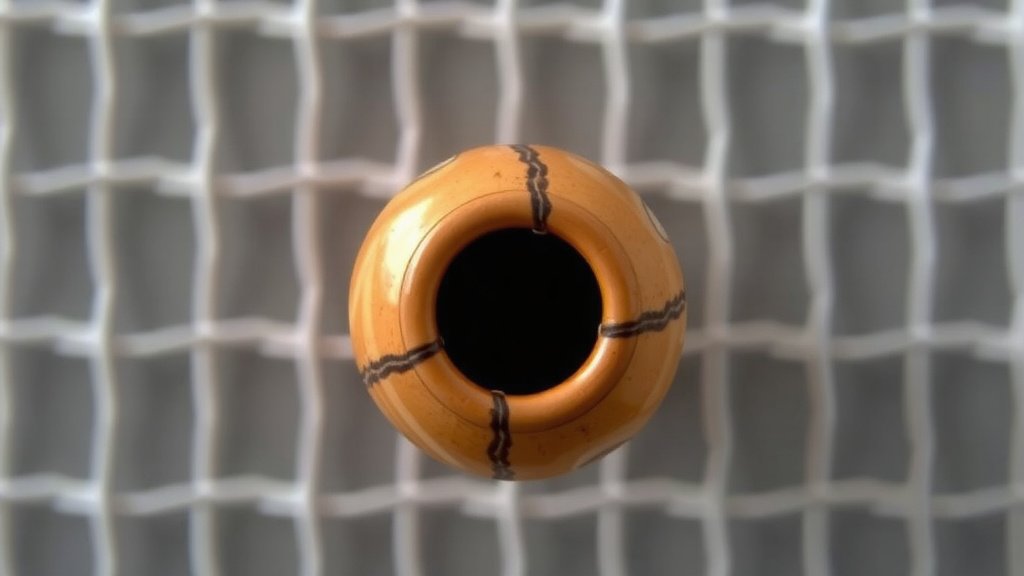
How to Measure the Barrel Yourself
No stamp on your bat? No problem. You can measure it at home in under a minute.
- Wrap a string or flexible tape around the widest part of the barrel.
- Mark where the string meets itself, then lay it flat.
- Measure that length in inches — that’s the circumference.
- Divide by 3.14 (pi) to get the diameter.
- Round to the nearest standard size: 2¼, 2⅝, or 2¾.
Say your string measures about 8.2 inches. Divide by 3.14 and you get roughly 2.6 — that’s a 2⅝ barrel. Close enough for league checks.
Choosing the Right Barrel Size for Your Game
Rules come first. Comfort comes second. Fit those two, and you’re 90% of the way there.
A Quick Pre-Purchase Checklist
- Confirm your league’s max barrel diameter and certification stamp.
- Check that the stamp is printed on the bat itself.
- Pick length and drop weight before worrying about barrel width.
- Swing a teammate’s bat with the same barrel if you can.
- Consider a smaller barrel if your swing speed feels slow.
- Keep the receipt — sizing mistakes happen to everyone.
When a Smaller Barrel Makes Sense
If you’re a contact hitter, a 2⅝ barrel with a lighter feel might suit you better than a 2¾ monster. Faster swings mean more time to react to good pitching. We found that many hitting instructors start younger players small and size up as strength grows.
When a Bigger Barrel Makes Sense
Strong hitters who already generate good bat speed can handle the extra weight. The bigger sweet spot rewards them on mis-hit balls. Senior league players and slowpitch sluggers often fit this profile.
One anecdote we’ve heard more than once: a player upgrades to the biggest legal barrel, slumps for three weeks, then drops back down and immediately finds his stroke again. Bigger isn’t automatically better. It’s about matching the tool to the swing.
Common Barrel Size Mistakes to Avoid
Avoid these and you’ll skip most of the headaches:
- Buying for next season. Kids grow fast, but an oversized barrel now means poor mechanics today.
- Ignoring the stamp. Umpires check. An illegal bat can mean an out or an ejection.
- Confusing barrel size with drop weight. They’re different numbers doing different jobs.
- Copying a teammate. Their swing isn’t your swing, even if you’re the same age.
- Assuming softball and baseball sizes match. They don’t, and the differences matter.
Sizing a bat is part math, part feel, and part rulebook. Take your time with each piece. Your hands, your stats, and your wallet will all thank you.
Conclusion
Reading a bat barrel size comes down to three things: find the stamp, match the diameter to your league’s rules, and pair it with the right length and drop. We researched sizing across every major league standard, and the pattern was clear. Players who check the rules before they buy almost never regret it. The numbers on the barrel aren’t decoration. They tell you exactly what you’re swinging and whether it’s legal on game day. So here’s your next step: pull out your current bat (or your phone if you’re shopping), read the stamp, and confirm it against your league’s rulebook before you spend a dime. It takes two minutes and saves you from the most expensive mistake in bat buying.
Frequently Asked Questions
What does the drop weight mean on a bat label?
Drop weight is the difference between the bat’s length in inches and its weight in ounces. A 31-inch, 21-ounce bat has a drop of -10. Barrel diameter and drop weight are separate numbers, and both matter when you’re sizing a bat.
Is a 2⅝ or 2¾ barrel better for beginners?
We found that most hitting instructors lean toward the smaller 2⅝ barrel for newer hitters. The lighter feel helps you build swing speed and clean mechanics. Once strength and bat control develop, moving up to a bigger barrel makes more sense.
Can I use a big barrel bat in Little League?
In most cases, no. Little League follows USA Bat standards, which cap barrels at 2⅝ inches. A 2¾ barrel bat is usually illegal in those games, even if it carries a USA Bat stamp, so always verify your league’s exact policy before purchasing.
Does barrel size change how far the ball travels?
A bigger barrel gives you a larger sweet spot, which helps on off-center contact. But distance depends more on bat speed and quality of contact than width alone. Many coaches will tell you a faster swing with a smaller barrel outperforms a slow swing with a big one.
What if the barrel stamp has worn off my bat?
You can measure it yourself with a piece of string wrapped around the widest point. Divide the string length by 3.14 to get the diameter. If you’re still unsure, check the model number online or contact the manufacturer, since most publish full specs for every bat they’ve made.