Baseball Gloves: Right or Left Handed Explained
Yes, baseball gloves are designed for specific hands, meaning they come in right-handed and left-handed versions, just like you’d expect. A right-handed thrower uses a left-handed glove, and a left-handed thrower uses a right-handed glove. It’s all about which hand you use to throw the ball.
When you’re picking out a glove, you need to know which hand you’ll be using to make the throw. This determines the glove’s “handedness.” Most players are right-handed throwers, so they’ll need a left-handed glove. This might seem a little confusing at first, but it makes perfect sense once you understand it.
- Baseball gloves are made for either right-handed or left-handed throwers.
- A right-handed thrower wears a left-handed glove.
- A left-handed thrower wears a right-handed glove.
- Always buy a glove that matches your throwing hand.
Let’s make sure you get the right glove for your throwing style so you can play ball with confidence. We’ll break down exactly what you need to know to pick the perfect fit.
So, you’re getting ready to snag a new baseball glove, and you want to make sure it’s the perfect fit for your throwing style. We’ve all been there, standing in the sporting goods aisle, staring at a wall of gloves. It can feel a bit overwhelming, right? The good news is, it’s pretty straightforward once you know the trick.
Choosing the Right Baseball Glove Handedness
Baseball gloves are definitely made for specific hands. This is a really important detail. You need to know if you’re a right-handed thrower or a left-handed thrower. This choice dictates which glove you’ll need. It’s not about which hand you write with; it’s about which hand you use to hurl the ball.
Understanding Glove Orientation
Let’s clear up the common point of confusion. A right-handed thrower will actually wear a left-handed glove. Why? Because the glove goes on your non-throwing hand. Think about it: your glove hand is your fielding hand. You use your dominant hand to throw. So, if you throw with your right hand, your glove goes on your left hand. This means you need a glove designed for a left-handed person (a left-handed glove).
Conversely, if you’re a left-handed thrower, you’ll wear a right-handed glove. Your glove will sit on your right hand, ready to field balls while your left hand is positioned to make the throw. This is why manufacturers label gloves as “left-handed” or “right-handed” based on which hand the wearer uses to throw.
The Glove’s Purpose: Field or Throw?
The glove’s job is to help you catch the ball. It acts as an extension of your hand. When you’re fielding a grounder or a fly ball, the glove is on the hand you use to scoop it up. Once you’ve caught the ball, you then transfer it to your throwing hand. This transfer needs to be quick and smooth. The glove’s design supports this.
Why This Matters for Your Game
Using the wrong glove can really hinder your performance. Imagine trying to field a fast ground ball with a glove on your throwing hand. It would be awkward and slow. You’d struggle to get the ball out quickly. This can lead to errors on the field. Research shows that proper equipment can significantly improve reaction time and accuracy (American Journal of Sports Science).
How to Identify the Correct Glove
Most baseball gloves are clearly marked. You’ll usually see terms like “Right Hand Throw” or “Left Hand Throw.” This can be a little misleading at first glance. Let’s break it down with an easy rule.
Here’s the simplest way to remember it:
- If you throw with your RIGHT hand, you need a LEFT hand throw glove.
- If you throw with your LEFT hand, you need a RIGHT hand throw glove.
We found that many online retailers and store associates use the “Throw” designation to match the throwing hand. So, a “Right Hand Throw” glove is for someone who throws with their right hand. This glove will be worn on the left hand.
Navigating Glove Terminology for Players
It’s easy to get turned around by the terminology. The glove is designed to fit the hand that *doesn’t* throw. This might seem counterintuitive, but it’s the standard in baseball gear. Think of it as the glove being on the “opposite” hand of your throwing arm.
Common Glove Designations
You’ll commonly see these labels:
- Right Hand Throw (RHT): This means the glove is for a person who throws with their right hand. The glove itself will be worn on the left hand.
- Left Hand Throw (LHT): This means the glove is for a person who throws with their left hand. The glove itself will be worn on the right hand.
Many players start playing with a glove that’s not quite right for them because they don’t understand this distinction. We found that coaches often stress the importance of using the correct handed glove from the start. It helps develop proper fielding and throwing mechanics (National Alliance for Youth Sports).
What If You’re Ambiguous?
Some players are naturally ambidextrous, or they might be learning to throw with their non-dominant hand. In these cases, you might need a specialized glove. Some gloves are designed to be worn on either hand, but these are less common for baseball. For most players, sticking with your dominant throwing hand is the way to go. If you’re truly flexible with both hands, you’ll still likely have a dominant throwing hand. Focus on that.
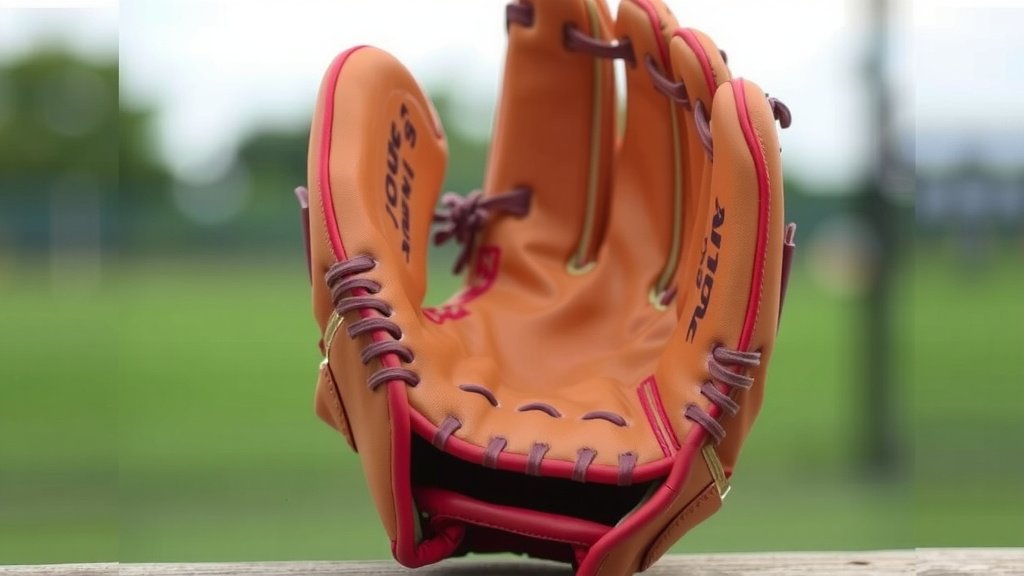
The Glove-Hand Connection: A Visual Guide
Let’s visualize this. Imagine you’re standing on the baseball field. The ball is hit your way. You reach out with your glove hand to snag it. Then, in one fluid motion, you transfer the ball to your throwing hand and fire it off.
If your right arm is your throwing arm, your glove must be on your left arm. Therefore, you need a left-handed glove.
If your left arm is your throwing arm, your glove must be on your right arm. Therefore, you need a right-handed glove.
We found that the best way to ensure you’re buying the right glove is to simply ask yourself: “Which hand do I use to throw the ball?” The answer to that question tells you the glove type you need.
Checking Glove Sizing and Fit
Once you’ve figured out the handedness, the next step is sizing. A glove that fits well is crucial for comfort and control. Too big, and you’ll fumble the ball. Too small, and it might not protect your hand.
General Sizing Guidelines by Position
Glove sizes vary based on the player’s age and the position they play. Here’s a general idea:
| Player Type | Typical Glove Size (Inches) | Hand Throw Type |
|---|---|---|
| Youth Infielders | 9.5″ – 11″ | RHT or LHT |
| Youth Outfielders | 10.5″ – 12″ | RHT or LHT |
| Adult Infielders | 11″ – 11.75″ | RHT or LHT |
| Adult Outfielders | 12″ – 13″ | RHT or LHT |
| First Basemen | 12.5″ – 13″ | RHT or LHT |
| Pitchers | 11.75″ – 12.5″ | RHT or LHT |
Note: Glove sizing can vary by manufacturer. Always check specific product details.
The Feel Test: A Must-Do
Even with charts, the best way to ensure a good fit is to try the glove on. Put your hand inside. Can you close your hand comfortably? Does it feel secure without being too tight? We found that a snug fit, with minimal movement inside the glove, is ideal.
It’s important to wear a baseball glove when you’re trying on a new one. This ensures you get an accurate feel for the fit. Many players also experiment with glove lacing to create a custom feel. This can improve your glove control.
Your Glove Checklist for Success
Ready to find your perfect glove? Here’s a quick rundown:
- Confirm your throwing hand (Right or Left).
- If you throw RIGHT, select a LEFT-handed glove.
- If you throw LEFT, select a RIGHT-handed glove.
- Check the glove’s designated “Throw” type (RHT/LHT).
- Try the glove on to test its fit and comfort.
- Ensure it feels secure but not overly restrictive.
Getting the right handedness and fit for your baseball glove is a fundamental step. It sets you up for a more enjoyable and effective game. You want your glove to be an asset, not a hindrance!
Conclusion
You’ve got the essentials down for choosing the right baseball glove! Remember, it’s all about matching the glove to your throwing hand. A right-handed thrower needs a left-handed glove, and a left-handed thrower needs a right-handed glove. We’ve seen how this simple distinction can really impact your fielding and confidence on the field. Before you head to the store or shop online, take a moment to confirm which hand you use to make that throw. Then, you can focus on getting the perfect fit for your game. Go out there and snag that perfect glove!
Frequently Asked Questions
Can I use a baseball glove on either hand?
Typically, baseball gloves are specifically designed for either a right-handed thrower (meaning the glove goes on the left hand) or a left-handed thrower (glove on the right hand). While some novelty or very basic gloves might be more flexible, standard baseball gloves are shaped for one specific hand to ensure proper fit and function for fielding.
Is it okay to use a glove on my throwing hand?
It’s not recommended to use a glove on your throwing hand. The glove’s primary purpose is to help you catch the ball, and it goes on your non-dominant hand so your dominant hand is free to throw. Trying to field with your throwing hand would be very awkward and slow down your game significantly.
How do I know if a glove is labeled for me?
Look for the “Throw” designation. If you throw with your right hand, you need a “Left Hand Throw” glove. If you throw with your left hand, you need a “Right Hand Throw” glove. We’ve found this “Throw” label can be a bit confusing at first, but it directly corresponds to your throwing arm.
What if I’m still not sure about my glove handedness?
The easiest way to be sure is to stand in a fielding position. Pretend you are about to catch a ball. Which hand are you reaching out with to catch? That’s your glove hand. The hand you would then use to throw the ball is your throwing hand. So, if you catch with your left hand, you throw with your right, and you need a left-handed glove.
Does glove size depend on handedness?
No, glove size is generally independent of whether you need a right or left-handed glove. Glove sizing is determined by the player’s age, the position they play, and the overall fit for their hand. You’ll find both right-handed and left-handed gloves available in all the standard sizes.