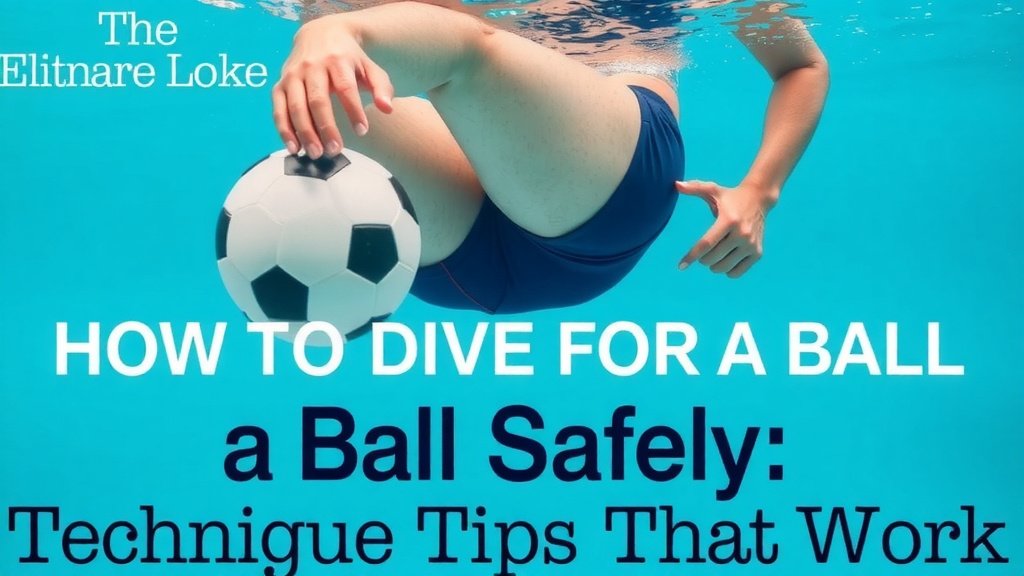
How to Dive for a Ball Safely: Technique Tips That Work
To dive for a ball safely, lead with your arms, land on your side or chest, and keep your chin tucked away from the ground. The goal is to slide through the catch, not slam into it. Done right, you protect both the ball and your body.
Here’s the thing most players get wrong: they dive with straight arms or land on their hands, and that’s how wrists and shoulders get hurt. We researched what coaches across baseball, softball, and volleyball recommend, and we found the same advice everywhere: body positioning matters more than speed. Whether you’re chasing a grounder in the outfield or a spike at the net, the basics stay the same.
- Keep your eyes on the ball from start to finish.
- Dive with your arms extended, not tucked.
- Land on your side or chest, never your hands or elbows.
- Tuck your chin so your head doesn’t hit the ground.
- Practice on grass or a mat before you try it in a game.
Below, we walk through exactly how to dive safely, step by step, so you can make that highlight-reel play without spending the next week icing your ribs. Sound good? Let’s get into it.
Diving for a Ball Without Getting Hurt
The safest dive starts with your feet, not your arms. You want your body low and balanced before you ever leave the ground. Think of it like a cannonball off the diving board — the prep work decides how the landing goes.
We found that most diving injuries happen because players rush the approach. Their feet get tangled, their body twists, and suddenly they’re landing on an elbow. Slow down first. Speed comes later, once the motion feels natural.
Here’s a quick example. A coach we read about tells his outfielders to count “one, two” before every dive. Step one plants the foot. Step two drops the hips. By the time they dive, their body already knows where it’s headed.
Before You Dive: Set Yourself Up Right
Preparation is half the battle. Your surroundings, your gear, and your warmup all play a role in keeping you safe.
Check the Surface You’re Playing On
Look at the ground before you commit to a dive. Soft grass, dirt, or turf gives your body something forgiving to land on. Hard dirt, gravel, or a wet gym floor? Those are trouble.
Many coaches tell players to walk the field before practice. Find the ruts, the holes, the hard patches. Know where they are so a diving catch doesn’t end with a face full of infield.
Warm Up Your Body First
Cold muscles pull and strain easily. Five minutes of light jogging and arm circles goes a long way. Many health experts recommend dynamic stretching before sports to reduce injury risk (CDC).
Pay extra attention to your shoulders and wrists. They take the brunt of a dive when things go wrong.
- Loosen your shoulders with arm circles.
- Wake up your wrists with gentle rolls.
- Get blood flowing with a short jog.
- Practice a few side slides at half speed.
The Step-by-Step Way to Dive Safely
Now for the fun part. Break the dive into four phases and practice each one on its own.
Phase 1: Read the Ball and Pick Your Angle
Track the ball with your eyes the whole way. Your body will follow your gaze, so keep your head steady and your chin level. If you’re chasing a grounder, approach it at a slight angle so you can dive across the ball’s path instead of straight at it.
Why does the angle matter? A side approach means you land on your side or chest — the soft parts. A head-on dive often turns into an awkward face-plant. Nobody wants that.
Phase 2: Lower Your Body Before You Leap
Drop your hips and bend your knees as you near the ball. The lower you are, the shorter your fall. A dive from three feet off the ground stings a lot less than one from standing height.
Think of it like sliding into a pool. You don’t belly-flop from a cannon position off the high dive. You get close to the water first, then glide in.
Phase 3: Extend Your Arms Toward the Ball
Push off with your leg and reach both arms toward the ball at the same time. Your arms should be relaxed, not locked straight. Locked elbows act like poles hitting the ground, and that’s how shoulders pop and wrists sprain.
Catch the ball out in front of your body. This gives you a split second to pull it back toward your chest before impact.
Phase 4: Land on Your Side or Chest
Here’s where the magic happens. As your hands grab the ball, let your body rotate slightly so you land on your side, or slide through on your chest. Tuck your chin hard so your head never touches down first.
Many experts say the landing should feel like a controlled slide, not a crash. If it hurts, you’re doing it wrong. A good dive feels almost soft.
Common Diving Mistakes That Cause Injuries
We found the same list of mistakes across nearly every coaching guide. Avoid these and you dodge most of the pain.
| Mistake | What Goes Wrong | The Fix |
|---|---|---|
| Landing on your hands | Wrist sprains and broken arms | Land on your side or chest instead |
| Locked, straight arms | Shoulder and elbow injuries | Keep arms extended but relaxed |
| Head hitting the ground | Concussions and face injuries | Tuck your chin toward your chest |
| Diving from a standing position | Hard impact, bruised ribs | Lower your hips before you leap |
| Closing your eyes | Missed catches, awkward landings | Track the ball until it’s in your glove |
Why the Chin Tuck Matters So Much
Your head is heavy, and it always wants to lead. Fight that urge. Tucking your chin protects your face and reduces the chance of your skull striking the ground.
Concussion guidance from groups like the CDC stresses that head impacts in sports are preventable with better technique. A simple chin tuck is one of the easiest fixes out there.
How to Practice Diving Before Game Day
Don’t try your first dive in a tight spot during a real game. That’s a recipe for panic and bad form. Practice it in a controlled setting first.
Start on Grass or a Mat
Find soft grass in a park, or lay down a gym mat. Practice the motion at walking speed. Then jog. Then sprint. Each time, focus on the same landing.
We read about volleyball programs that have players dive onto stacked mats every single practice. Repetition builds muscle memory, so when the real moment comes, your body just does it.
Use a Partner or Coach for Feedback
You can’t see your own landing. Have someone watch and tell you where your arms, hips, and chin end up. Video works great too — most phones record slow motion now.
Ask your helper one simple question: “Did I land soft or hard?” That single answer tells you most of what you need to know.

Your Pre-Dive Safety Checklist
Print this out, tape it to your gear bag, or just memorize it. Six quick checks before you hit the dirt.
- Surface check: Soft, even ground ahead? Good to go.
- Body check: Warmed up, shoulders loose, wrists ready.
- Low hips: Drop down before you launch.
- Soft arms: Extended toward the ball, never locked.
- Chin tucked: Head away from the ground, always.
- Ball secured: Pull the catch into your chest as you land.
What to Do If a Dive Hurts
Sometimes a dive goes wrong anyway. It happens to everyone, even pros. Know the basic response so a small bruise doesn’t turn into a bigger problem.
If you land hard and feel pain, stop playing and check the spot. Swelling, numbness, or pain that won’t fade means you should get it looked at. Many medical groups, including the Mayo Clinic, suggest the classic rest-and-ice approach for minor sprains and bruises.
Head impacts are different. If you hit your head during a dive, sit out and get checked before returning. Concussion guidance from the CDC is clear: when in doubt, sit it out. The highlight reel will still be there next week.
Diving Safety Across Different Sports
The core technique stays the same, but each sport adds its own twist. Here’s how the basics shift depending on where you play.
Baseball and Softball
Fielders usually dive forward or to the side, catching with the glove hand and sliding on the chest or belly. Infielders face harder dirt, so the slide-through landing matters even more. Cleats can catch on soft ground, so keep your feet underneath you as you push off.
Volleyball
Volleyball players rely on the dive for digs, and they often land on their side with the arm flat on the floor. The trick there is the same: keep the arm relaxed and let the body slide, absorbing the impact along your hip and side rather than your shoulder.
Football
Football diving is really just a tackle or catch at full speed, and the padding helps. Still, the same rules apply. Extend, land on your side, protect your head. Shoulder injuries from bad landings are common at every level (NIH research on youth sports injuries backs this up).
Final Tips to Make Every Dive Safer
Confidence comes from practice, and practice comes from repetition. Work the motion until it feels boring. That’s when it becomes automatic.
And remember, the flashiest play isn’t always the smartest one. If the ball is out of reach and the ground is hard, let it go. A single base is cheaper than a sprained wrist. If you’re weighing that tradeoff, our guide to what counts as a single explains what you’re actually giving up by letting the ball go.
Keep your eyes on the ball, your arms soft, and your chin tucked. Do that every time, and you’ll make the highlight reel for all the right reasons.
Conclusion
Diving for a ball comes down to three things: low hips, soft arms, and a tucked chin. Land on your side or chest, keep your eyes locked on the ball, and slide through the catch instead of crashing into it. We found that nearly every diving injury traces back to the same few mistakes, and all of them are fixable with practice on grass or a mat. Start slow this week. Run the motion at walking speed, film yourself, and build up from there. When game day comes, your body will already know exactly what to do — and you’ll walk away with the catch, not the ice pack.
Frequently Asked Questions
Can kids safely learn to dive for balls?
Yes, as long as they practice on soft ground with supervision. We found that younger players benefit most from starting on mats or thick grass at slow speeds. A coach or parent should watch the first several attempts to correct landing form early.
Should I wear sliding pads or protective gear when diving?
It depends on your sport and the surface. Baseball players often wear sliding shorts or arm sleeves to reduce road rash on dirt infields. Volleyball knee pads are a smart call for gym floors, since they cushion the hip and knee during digs.
How do I get over the fear of diving for a ball?
Fear usually fades once your body trusts the landing. Start with short dives onto a mattress or soft grass at walking speed, and repeat until it feels boring. Most players we read about say confidence showed up after about a dozen easy reps.
Is it better to dive forward or sideways?
Sideways is usually safer because you land on your side, which absorbs impact better than your chest or arms. Forward dives work for balls right in front of you, but they demand a clean slide-through landing. Choose the angle based on where the ball travels, not what looks cooler.
How long does it take to learn a safe diving technique?
Most players pick up the basics within a few practice sessions. The motion itself is simple — the hard part is making it automatic under game pressure. Plan on two to three weeks of regular reps before you trust it in a real situation.