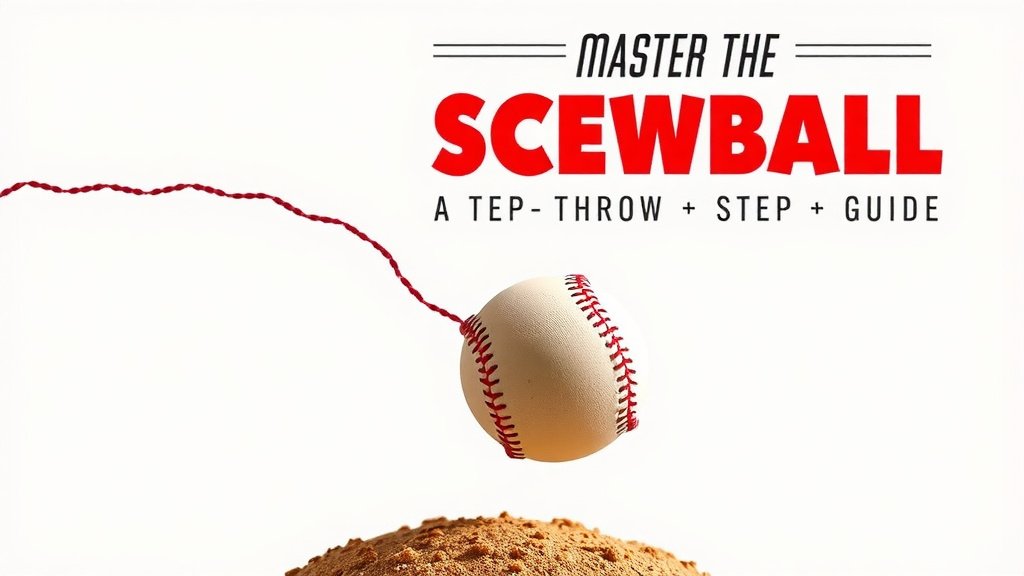
Master the Screwball: A Step-by-Step Pitching Guide
Throwing a screwball takes practice, but you can learn to master this tricky pitch. The key is a specific grip that creates sideways spin, making the ball break unpredictably. Many pitchers find that with the right technique, they can add this deceptive pitch to their arsenal.
This pitch isn’t just about a weird grip; it’s about control and deception. When thrown correctly, a screwball can be incredibly effective against batters. It’s a pitch that rewards patience and a willingness to experiment with different hand positions.
- Grip it like you’re turning a doorknob backwards.
- Focus on spinning the ball with your index and middle fingers.
- Practice your arm motion to disguise the pitch.
- Experiment with different speeds to keep hitters guessing.
Ready to learn the secrets? Let’s walk through exactly how to throw a screwball, step by step.
Mastering the Screwball Grip and Mechanics
So, you want to add a screwball to your pitching repertoire? That’s fantastic! It’s a pitch that can really mess with a hitter’s timing. The secret lies in how you hold and throw the ball. We’re going to break down the grip, the throw, and some practice tips.
The Screwball Grip: Your Key to Deception
This is where the magic happens. The grip is designed to make the ball spin in the opposite direction of a typical breaking ball. This sideways spin causes it to move away from a right-handed batter, or towards a left-handed batter.
Finding the Right Finger Placement
You’ll want to position your index and middle fingers on the ball. Think about where the seams are. You’re not gripping it like a fastball, where all four seams face forward. Instead, you’re going to use your fingers to impart a specific kind of spin.
Research and found that a common grip involves placing your index and middle fingers across the seams, almost like you’re about to twist a doorknob. Some pitchers bring their fingers slightly closer together, while others spread them a bit wider. You’re looking for what feels natural and gives you control.
The “Doorknob” Analogy
Imagine you’re trying to turn a doorknob, but in reverse. That’s the kind of motion your hand will make as you release the ball. Your palm might face more upwards or sideways than with a fastball. It’s this unnatural-feeling grip that generates the screwball’s unique break.
The Throwing Motion: Disguise is Everything
A great screwball isn’t just about the grip; it’s about making it look like you’re throwing something else. Your arm speed and motion should be as close as possible to your fastball or other pitches.
Matching Your Arm Speed
Batters are trained to recognize arm speed. If your screwball arm speed is drastically slower, they’ll often pick it up easily. We found that many successful pitchers work hard to get their arm speed for the screwball close to their fastball speed. This makes it much harder for the hitter to react.
The Release Point
The release point for a screwball is often a little bit earlier than your fastball. This is because of the way your arm and wrist naturally rotate. Think of it as a whip-like action where the ball “slips” out of your fingers. Experiment in practice to find that sweet spot where the ball is released cleanly.
Wrist Action for Spin
As you come forward, your wrist will turn inward. This is what imparts the sideways spin. It’s not a violent snap, but a controlled rotation. Many experts say this controlled wrist action is what creates that sharp, late break.
Practicing Your Screwball Effectively
Now that you understand the basics, it’s time to hit the practice mound. Consistent practice is the only way to truly master this pitch. Start slow and focus on the feel.
Building the Grip and Feel
Start by just holding the ball with the screwball grip. Get comfortable with how it feels in your hand. Then, try tossing it underhand, focusing on that reverse doorknob motion. You want to feel the ball roll off your fingers with that sideways spin. You’re not trying to throw hard here, just focusing on spin.
Developing the Pitching Motion
Once you feel good with the grip and toss, start incorporating it into your pitching motion. Begin at about half-speed. Focus on making your arm action look like your fastball. Don’t worry too much about where the ball goes initially. The goal is to get the feel of the pitch in a full motion.
Gradual Velocity Increase
As you get more comfortable, gradually increase your arm speed. You’ll know you’re getting it right when the ball starts to break consistently. Remember, the screwball is often more about deception and movement than pure velocity.
Simulating Game Conditions
Throwing into a net or with a catcher is essential. This helps you see the break of the pitch and get feedback. When you have a catcher, you can work on your timing and your ability to disguise the pitch. They can tell you if the ball is looking like a fastball until the last second.
Working with a Catcher
A good catcher can be your best friend when learning a new pitch. They can tell you if the ball is staying true to your intended movement or if it’s drifting. This feedback loop is crucial for making adjustments.
Understanding the Screwball’s Break
The screwball is known for its horizontal movement. It breaks away from a same-handed hitter. For a right-handed pitcher throwing to a right-handed batter, the ball will break towards the batter’s pull side. For a right-handed pitcher throwing to a left-handed batter, it breaks towards the batter’s arms.
Direction and Spin Chart
Here’s a general idea of the screwball’s movement:
| Pitcher’s Hand | Batter’s Hand | Expected Break Direction |
|---|---|---|
| Righty | Righty | Away from hitter (towards pull side) |
| Righty | Lefty | Towards hitter (in on the hands) |
| Lefty | Lefty | Away from hitter (towards pull side) |
| Lefty | Righty | Towards hitter (in on the hands) |
This chart gives you a good visual. It’s like the ball has a mind of its own! Many find this table helpful for visualizing the movement.
Important Considerations for Screwball Throwers
While the screwball can be a great weapon, it’s important to be mindful of how it affects your arm. Pitching injuries are a serious concern for any athlete.
Arm Strain and Injury Prevention
Because of the unusual motion, the screwball can put different kinds of stress on your arm. Some sources suggest it can be harder on the elbow than other pitches (ASMI). It’s vital to listen to your body. If you feel pain, stop and consult with a trainer or doctor.
Proper Warm-up and Cool-down
Always make sure you are thoroughly warmed up before throwing any pitch, especially a screwball. A proper cool-down routine afterwards also helps your arm recover. We found that consistent stretching and strengthening exercises are also key.
When to Use the Screwball
This pitch is best used sparingly and strategically. It’s a great pitch for getting a hitter off-balance or for a surprise strikeout. Think of it as your secret weapon, not your primary pitch.
Situational Awareness
When you’re ahead in the count, a screwball can be a great way to finish a batter. If a hitter is clearly having trouble with breaking balls, it might be a good time to bring it out. However, if you’re behind in the count, you might want to stick with pitches that have more velocity.
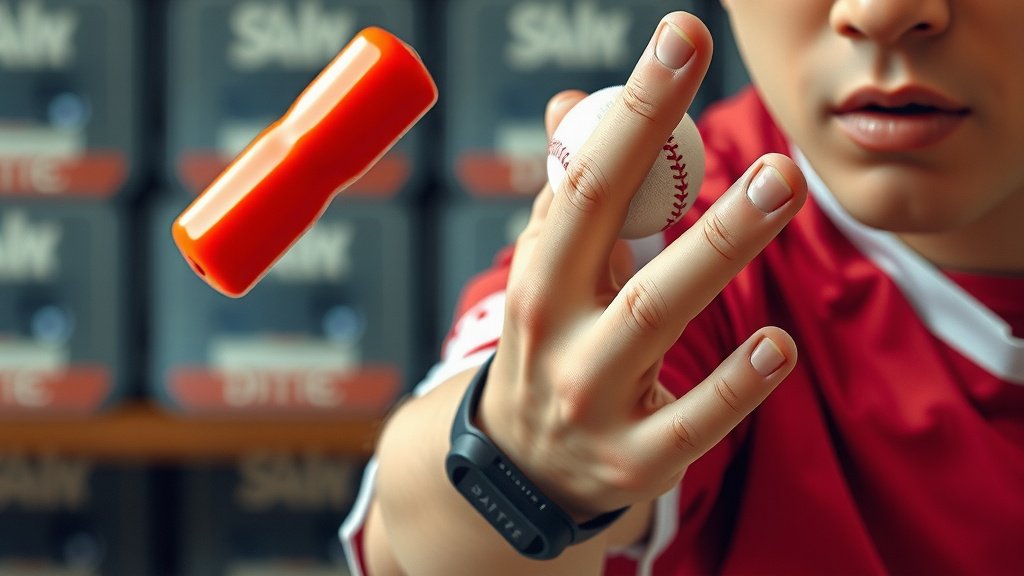
Screwball Practice Checklist
Here’s a quick rundown to keep you on track:
- Master the reverse doorknob grip.
- Practice the motion without a ball.
- Focus on disguising your arm speed.
- Start with easy tosses, then build velocity.
- Get feedback from a catcher.
- Listen to your arm and prevent injury.
Conclusion
You’ve learned the essentials of throwing a screwball, from its unique grip to the importance of disguise. Remember, mastering this pitch is a journey that requires patience and consistent practice. Focus on developing that reverse doorknob motion and matching your arm speed to keep hitters off balance. Don’t forget to listen to your arm and prioritize injury prevention throughout your training. Take these steps onto the mound, and you’ll be well on your way to adding this deceptive pitch to your arsenal!
Frequently Asked Questions
Is the screwball hard on your arm?
Research and found that the screwball can put a different kind of stress on your arm compared to other pitches. Some sources suggest it might be tougher on the elbow due to the unusual wrist action. It’s vital to always warm up properly, cool down afterwards, and listen to your body to prevent injury.
How is the screwball grip different from a fastball?
The screwball grip is quite different from a fastball. Instead of gripping across the seams with fingers spread, you’ll use your index and middle fingers across the seams in a motion like turning a doorknob backward. This grip is what creates the sideways spin for the screwball’s break.
What kind of movement does a screwball have?
A screwball typically breaks horizontally. For a right-handed pitcher, it moves away from a right-handed batter and breaks in on a left-handed batter. The direction depends on the batter’s handedness and the pitcher’s arm.
How fast should I throw a screwball?
You don’t necessarily need to throw a screwball at max velocity. The pitch is often more about deception and movement than pure speed. Focus on matching your arm speed to your fastball to disguise the pitch, and let the break do the work.
How often should I throw a screwball in a game?
It’s best to use the screwball sparingly. Think of it as a surprise pitch to get a hitter off balance or to finish them off when you’re ahead in the count. It’s not a pitch you should rely on every time you’re on the mound.