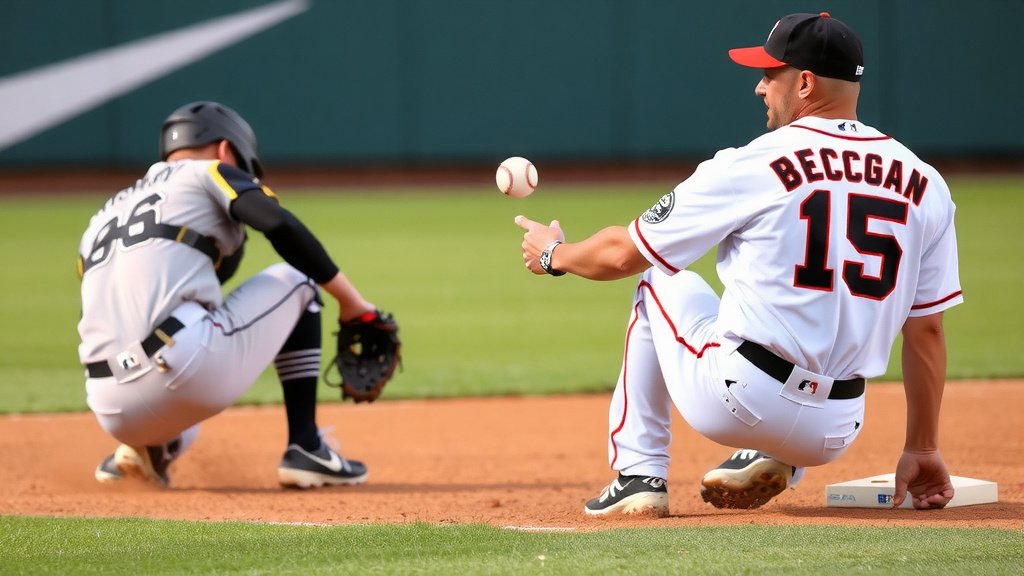
How to Turn Two at Second Base Like a Pro Shortstop
Turning two at second base means the shortstop or second baseman catches the ball and throws to first before the runner gets there — completing a double play. The easiest way to learn it is to focus on three things: get to the bag, catch with your glove-side foot touching it, and make a quick, clean throw. That’s it in a nutshell.
Sound simple? In theory, yes. But with a runner sliding at your legs and the clock ticking in your head, timing and footwork make all the difference. We researched how coaches teach double plays at every level, and the same patterns show up again and again: stay calm, keep your feet moving, and aim low to your first baseman. Many experts say the biggest mistakes happen when players rush the catch instead of trusting the throw.
- Get to the bag fast and know where the throw is coming from.
- Tag or catch with the correct foot at second base.
- Use proper footwork to avoid the sliding runner.
- Make a quick, firm throw to first.
- Practice the timing until it feels automatic.
Let’s walk through exactly how this works, step by step, so you can turn two with confidence on your very next play.
Executing the Double Play From the Middle Infield
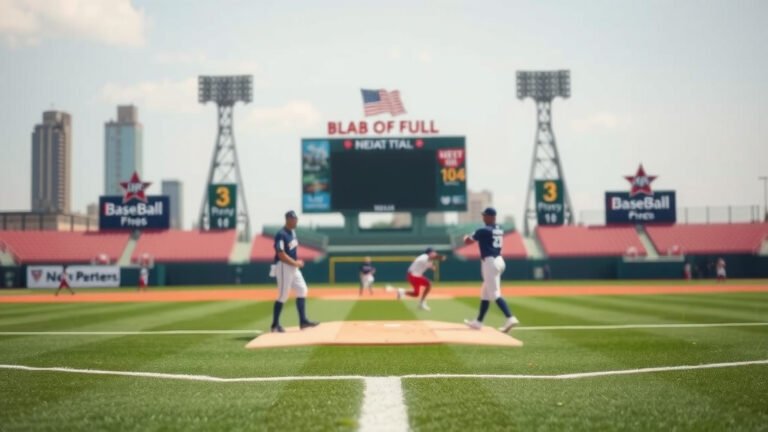
The fastest way to turn two is to know your job before the ball is even hit. If you’re the second baseman, expect the throw coming from your right. If you’re the shortstop, it’s coming from your left. Sounds obvious, but you’d be surprised how many players freeze because they never decided ahead of time.
We found that coaches at nearly every level preach the same thing: anticipation beats reaction. Read the ball off the bat, take your first step early, and let your feet carry you to the bag. By the time the ball arrives, your body should already know what to do.
Getting to the Bag the Smart Way
Sprint, don’t drift. When you jog toward second base, you give the runner an extra beat — and every beat matters. Aim to arrive a half-step before the ball does, so you’re set up to catch and throw in one smooth motion.
Here’s a helpful mental picture: think of the bag as a launch pad, not a destination. You’re just touching down briefly before you take off again toward first. Landing, pivoting, and firing should feel like one continuous movement.
Catching and Tagging With the Right Footwork
Now for the part that trips up most young players. Which foot touches the bag? The answer depends on where the throw is coming from.
- Throw from your left side (shortstop’s view): catch with your right foot on the bag, then step toward first with your left.
- Throw from your right side (second baseman’s view): catch with your left foot on the bag, then pivot and step with your right.
- Rounding the bag: touch it with your glove-side foot whenever possible, so your momentum carries you forward.
Many experts say the smoothest double plays happen when the fielder never stops moving. Catch, touch, step, throw — all in rhythm. If you stop to plant both feet, you’ve added a full second to the play, and that’s often the difference between safe and out.
Avoiding the Sliding Runner
Let’s be honest: the runner coming in hard is the scariest part. You don’t want to eat dirt — or worse, an injury. We researched recommendations from sports medicine sources like the Mayo Clinic, and they stress keeping your body balanced and eyes up when a slide is likely.
Your best friend here is distance. After you catch the ball, step back and away from the runner’s path as you release your throw. A small hop or shuffle backward keeps your legs safe without slowing the play much.
Making the Throw to First
Once you’ve cleared the bag, throw low and firm to your first baseman. A waist-high throw at the front corner of the bag is the gold standard. Why? Because a low throw lets the first baseman stretch and scoop without leaving the bag.
Don’t aim for perfect — aim for catchable. A slightly rushed, four-seam gripped throw that arrives on time beats a pretty rainbow lob that doesn’t. Remember: the runner is racing you, not judging your arm strength.
Choosing the Right Grip and Release
Grip the ball across the seams with your fingers on top. Then release it out front, at or slightly past your front foot. Catchers and pitching coaches teach release point for the same reason infield coaches do: the sooner the ball leaves your hand, the faster it gets there.
Which Middle Infielder Covers Second?
Quick answer: whoever is closer to the bag takes the throw, and the other player covers first or backs up. Communication is everything here. A simple “I got it!” or “Take it!” before the pitch saves you from two players standing on the same base like confused tourists.
| Situation | Who Takes the Throw | Who Covers First |
|---|---|---|
| Ball hit to third base | Shortstop | Second baseman |
| Ball hit to first base | Second baseman | Pitcher or shortstop |
| Ball hit to second base | Second baseman | Shortstop |
| Ball hit up the middle | Whoever fields it throws; the other turns two | First baseman holds the bag |
Communication Cues That Work
We found that good middle infield pairs develop short, loud, repeatable callouts. Keep it to two or three words max. “Mine!” “Yours!” “Flip!” Simple beats clever when a runner is barreling toward you at full speed.
Common Mistakes That Kill the Double Play
Mistakes are normal — every infielder has botched a sure double play at least once. The key is knowing which errors repeat so you can fix them. Here are the big four we kept seeing in coaching guides:
- Watching the catch instead of moving: your feet should already be working while the ball is in the air.
- Standing too close to the runner’s lane: invite the collision and you’ll get one.
- Overthrowing first: a scorching throw that sails high helps nobody.
- Hesitating on the decision: commit early and trust your training.
Rushing vs. Being Quick
Here’s a subtle difference many players miss. Rushing means your body outruns your brain — sloppy catch, wild throw. Being quick means everything is efficient and calm. The best double play turns look almost lazy because there’s zero wasted motion.
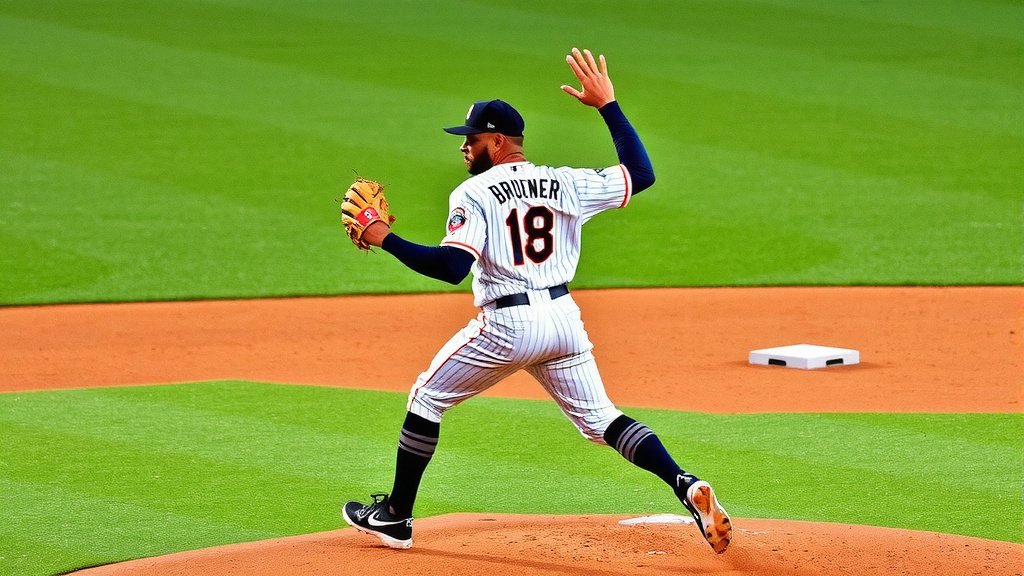
Drills to Practice Turning Two
Repetition is your ticket to making this automatic. We found that most successful infielders build their timing through short, focused drills rather than long, exhausting sessions. Try adding these to your next practice:
- Flip drills: partner tosses from ten feet; you catch, touch, and pivot. Focus purely on footwork.
- Bag-touch reps: run to second, touch it correctly, and step through fifty times. Boring? Yes. Effective? Also yes.
- Sliding-runner simulations: have a teammate jog through the bag so you practice stepping back safely.
- Rapid-fire throws: field short hops and throw to a target in under two seconds.
- Live fungo rounds: coach hits balls to third and first so you practice real angles.
Your Double Play Practice Checklist
Keep this checklist handy at practice. If you can check every box, you’re ready for game speed:
- I know which foot touches the bag from both throw angles.
- I can catch, touch, and pivot without stopping my momentum.
- I step away from the runner’s slide every time.
- My throws to first arrive low and on target.
- I call for the ball loudly before every rep.
- I’ve done at least twenty clean reps at game speed this week.
Staying Safe While You Practice
Hard ground balls and sliding runners add up. Sources like the CDC and the American Academy of Pediatrics recommend proper warm-ups and cleats with good traction for youth baseball players to reduce ankle and knee injuries. Take five minutes to stretch your hips and ankles before fielding work — your future self will thank you.
And if a runner collides with you during practice? Shake it off, but don’t ignore real pain. Sports medicine guidance from the Cleveland Clinic suggests treating swelling and persistent soreness seriously rather than playing through them.
Conclusion
Turning two at second base comes down to a handful of habits: sprint to the bag, touch it with the correct foot, keep your momentum moving toward first, and deliver a low, catchable throw. Stay balanced, step away from the slider, and call for the ball early so you and your double-play partner never collide or hesitate. We found that the players who turn two consistently aren’t the ones with the strongest arms — they’re the ones who practice their footwork until it’s automatic. Your next step is simple: grab a partner this week and run the flip drill and bag-touch reps until you’ve logged twenty clean turns at game speed. Do that, and the next sure double play becomes yours.
Frequently Asked Questions
Can a double play work if the ball is bobbled at second base?
Yes, but it’s much harder. If you bobble the ball, your first job is to secure it cleanly before worrying about the throw. Many coaches recommend settling the ball and making a strong, on-time throw for one out rather than rushing a risky second throw.
Does the runner at second have to slide?
At most levels, no — but the runner must avoid deliberately interfering with your throw. Rules vary between youth leagues, high school, and professional baseball. Check your league’s rulebook so you know what contact to expect when you’re taking the throw.
What’s the 6-4-3 double play?
It’s the classic shortstop-to-second-to-first double play, named by scoring positions. The 6 refers to the shortstop, the 4 to the second baseman, and the 3 to the first baseman. When you hear a coach yell “6-4-3,” that’s the play they mean. Our breakdown of the 6-4-3 double play maps each number to its scoring position.
How can I improve my transfer speed from glove to throwing hand?
Practice pulling the ball out of your glove with a short, compact arm action rather than a long swing. We found that daily reps of catch-and-transfer without a throw build the muscle memory fastest. Keep your hands relaxed so the ball doesn’t stick.
Should young players attempt double plays at all?
Absolutely, with adjustments. Younger players can start with the simpler version — catching at second and throwing to first for one out — before adding the full turn. Coaches we researched suggest building confidence with slower tosses first, then ramping up to game-speed reps as footwork improves.