Catcher’s Shin Guard Sizing: How to Get the Right Fit
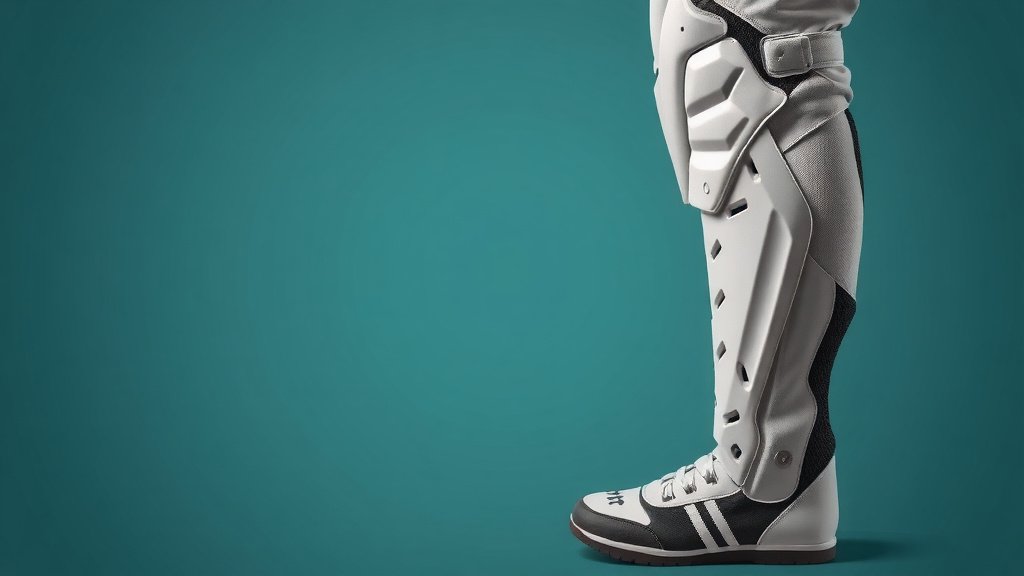
Catcher’s shin guard sizing comes down to one measurement: the distance from the middle of your knee to the bottom of your ankle, in inches. That number is your shin guard length, and it’s what every sizing chart uses. Get this measurement right, and you’re already 90% of the way to a proper fit.
Here’s the thing, though. A guard that’s too long digs into your knee when you drop into your stance, while one that’s too short leaves your knee exposed to foul tips and wild pitches. Neither sounds fun, right? We researched what coaches and gear experts recommend, and the pattern is clear: measure first, check the manufacturer’s chart second, and try the guard on in a catching stance before you commit.
Quick TL;DR before we dig in:
- Measure from the center of your kneecap down to the inside of your ankle.
- Youth sizes usually run 11 to 13 inches; adult sizes run 14 to 17 inches.
- Straps should be snug but not cutting off circulation.
- Your knee and shin cap should both be fully covered when you crouch.
- When in doubt, size up slightly — padding compresses over time.
Below, we break down exactly how to measure, read a sizing chart, and spot a bad fit, step by step. Let’s get you geared up the right way.
How to Find the Right Shin Guard Size
The fastest way to size catcher’s shin guards is to measure your leg from the center of your kneecap to the bottom of your ankle bone. That number in inches is the size you shop for. Everything else — straps, brands, style — is fine-tuning.
Think of it like buying shoes. You wouldn’t guess your shoe size, right? Same deal here. A tape measure takes 30 seconds and saves you a painful season of shin guards sliding around.
Step 1: Take the Measurement
Sit in a chair with your leg bent at about 90 degrees, like you’re already crouching in your stance. Place the end of a soft tape measure at the center of your kneecap. Run it straight down the front of your shin to the inside of your ankle.
Write the number down in inches. Round to the nearest half inch. If you’re between sizes, jot both down — you’ll use them in the next step.
Step 2: Match Your Number to a Sizing Chart
Every manufacturer publishes its own chart, and they don’t always agree. A 14-inch measurement might be “Intermediate” at one brand and “Adult Small” at another. So always check the chart for the exact model you’re buying.
Here’s a general guide we found across popular charts to get you started:
| Shin Guard Size | Typical Age Group | Player Height |
|---|---|---|
| 11 – 12 inches | 8 and under | Under 4’6″ |
| 12.5 – 13 inches | 9 – 12 | 4’6″ – 5’2″ |
| 14 – 15 inches | 13 – 15 | 5’3″ – 5’7″ |
| 15.5 – 16.5 inches | 16 and up | 5’8″ – 6’1″ |
| 17 inches | Adult | Over 6’1″ |
Notice the age column? Treat it as a loose hint, not a rule. We’ve found that height and leg length matter far more than birth year. A tall 11-year-old may need an intermediate or even adult size.
Step 3: Try Them On in Your Stance
Now for the real test. Strap the guards on, drop into a full catching stance, and stay there for a minute. Does anything pinch? Does the top of the guard press into your thigh? Does your knee cap sit in the knee cup?
Many coaches say the stance test is the single best way to catch fit problems before game day. A guard that feels fine standing up can feel terrible the moment you crouch. That’s because your knee bends and your shin shortens slightly in that position.
Getting the Fit Details Right
Once the length is right, a few small details decide whether the guards feel like a second skin or a torture device. Here’s what to check.
Strap Fit: Snug, Not Squeezing
You should fit one finger under each strap. That’s it. Straps that cut into the back of your knee will hurt by the third inning, and circulation problems aren’t just uncomfortable — they’re a real issue worth taking seriously (Mayo Clinic).
Double knee straps are worth the upgrade if you slide a lot. They keep the guard from rotating when you move side to side.
Knee Cap and Shin Coverage
Drop into your stance and look down. The knee cup should fully cover your kneecap with no gap at the top. Foul tips travel fast — research on baseball injuries shows pitchers and catchers face some of the highest impact exposure in youth sports (NIH).
Check the bottom too. The guard should end right at your ankle bone so it meets the top of your foot protection. Any gap there is a spot a ball will find, guaranteed.
Growing Players: Size Up Smartly
Kids grow fast, and gear isn’t free. So should you buy a size up? Often, yes — but only slightly. A guard that’s an inch too long today might fit perfectly by midseason.
What you don’t want is a guard two inches too big. Oversized guards shift when you move, and a shifting guard can’t protect anything. We found that parents consistently regret buying way too big far more than buying slightly snug.
A Quick Growing-Player Checklist
- Measure with the knee slightly bent, not straight.
- Budget for one size up if mid-season growth is likely.
- Adjustable straps matter more than exact length here.
- Re-measure every 6 months during growth spurts.
- Check that knee coverage still holds as your player grows.
Common Sizing Mistakes to Avoid
Even experienced players get these wrong. Avoiding them costs you nothing and saves you real money.
- Guessing instead of measuring. Eyeballing your leg length almost never works.
- Trusting age labels. Height beats age every time.
- Ignoring the stance test. Stand-up comfort isn’t catcher comfort.
- Skipping brand charts. A 14″ from one brand isn’t a 14″ from another.
- Tightening straps too much. Loose-ish is right. Your legs need blood flow.

When to Replace or Resize Your Guards
Even the right size wears out. Padding compresses with every squat and foul tip, so a guard that fit great last season may sit differently now. Inspect the foam and plastic each offseason.
Watch for these signs: flattened padding, cracked knee cups, straps that won’t hold, or visible gaps when you crouch. If your knee cap peeks out during your stance, the guard has done its time. Re-measure and move on — your shins will thank you.
Conclusion
Sizing catcher’s shin guards boils down to three moves: measure from kneecap to ankle, match your number to the brand’s chart, and drop into your stance to test the fit. Skip the guesswork, ignore age labels, and trust your tape measure and height instead. Straps should be snug with one finger of room, and growing players do best with just one size up — not two. If your guards are flat, cracked, or leaving your knee exposed in a crouch, it’s time for new ones. Grab a tape measure, take your measurement, and check the sizing chart for the exact model you want. Thirty seconds now beats a season of sore shins.
Frequently Asked Questions
Can I use baseball shin guards for softball catching?
You can, as long as the length matches your leg measurement. Fastpitch and baseball guards are sized the same way, so follow the same kneecap-to-ankle measurement. Just confirm the model you’re buying meets your league’s equipment rules.
Should shin guards go over or under my pants?
Most catchers wear shin guards under their baseball pants for a cleaner look and less snagging. Some brands offer over-the-pant designs with adjustable wings. Either works — what matters is that nothing shifts when you drop into your stance.
How do I know if my shin guards are too big?
Drop into your catching stance and watch for sliding or rotation as you move side to side. If the knee cup sits above your kneecap or the bottom gap exposes your ankle, the guards are too long. A shifting guard leaves you exposed on every pitch.
Do heavier shin guards offer better protection?
Not necessarily. Modern lightweight guards use strong plastics and foams that absorb impact just as well as older, heavier designs. We found that fit and coverage matter far more than weight when it comes to staying protected behind the plate.
What size shin guards does a 10-year-old need?
Measure the leg — most 10-year-olds fall in the 12.5 to 13 inch range. Height varies a lot at that age, so a taller player may need the next size up. When you’re between sizes and a growth spurt is likely, go one size bigger.