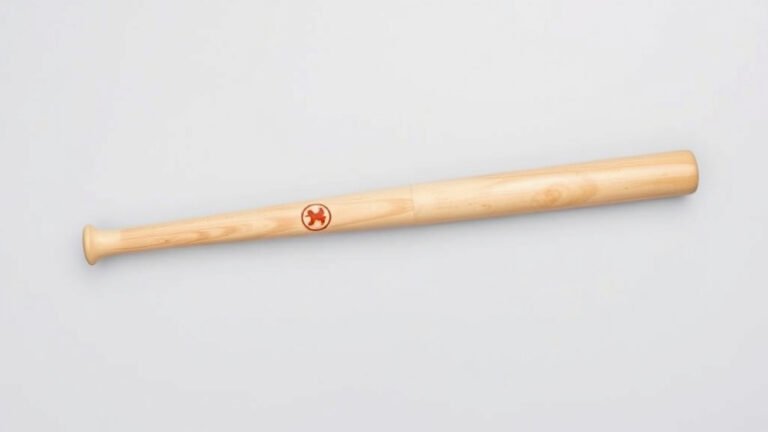
How to Keep Your Hands Inside the Ball: A Hitting Guide
Keeping your hands inside the baseball means staying connected to your body as you swing, so your hands travel on a short path close to your torso instead of casting away from it. The easiest way to do it is to keep your hands back and let the barrel of the bat whip through the zone last. Sound simple? It is, once you know what to feel.
Here’s the problem: most hitters do the opposite. They push their hands forward and around the ball, which kills power and leads to weak grounders and lazy pop-ups. We researched what top hitting instructors teach, and we found that staying inside the ball comes down to a few simple fixes — like starting your swing with your hips, not your hands, and keeping your elbow tucked and connected as you turn.
Want the short version before we get into the details? Here it is:
- Let your hips and legs start the swing — your hands just follow.
- Keep your hands close to your body on the way to the ball.
- Think “short to it, long through it” with your bat path.
- Use slow, short practice swings like front toss and tee work to build the feel.
- Watch for the classic mistake: dumping the barrel early or lunging forward.
Below, we break down exactly how to keep your hands inside the ball, step by step, so you can start hitting with more power and consistency — no fancy gadgets required.
Staying Inside the Ball: What It Actually Means
Let’s clear this up first, because there’s a lot of confusing advice floating around out there. Staying inside the ball doesn’t mean hitting the ball with the “inside” part of your body. It means your hands stay between your body and the ball during the early part of your swing.
Think of it like opening a door. If you push with your arms straight out, the movement is weak and jerky. If you rotate from your torso, the door flies open with almost no effort. Hitting works the same way. Your rotation creates power, and your hands just deliver the bat.
When we researched what hitting instructors actually teach, we found most of them describe the same feel: hands tight to the body early, barrel loose and late. That’s the whole secret wrapped in one sentence.
Why Casting Your Hands Kills Your Power
Here’s the mistake almost every young hitter makes. The front foot lands, and the hands immediately push toward the ball. Coaches call this casting, and it’s a power vampire.
Why? Because when your hands extend early, your arms straighten out. Straight arms slow the bat down. Research on rotational hitting shows that bat speed comes from body rotation first, then a whip-like release of the barrel at the end (NIH). Push early with your hands, and you lose the whip.
Casting also exposes the barrel early, so pitchers can see your bat before the ball even arrives. You’re basically telling the defense what’s coming. Rude of you, honestly.
Signs You’re Casting (And How to Spot Them)
- Your front arm locks straight out too early in the swing.
- You hit a lot of weak grounders to the opposite side.
- Your hands feel tired after hitting, not your legs and core.
- Your bat head dips and drags through the zone.
- You consistently get beat on inside pitches.
Sound familiar? Don’t worry. Every single hitter has dealt with this, including the ones now hitting home runs on TV. The fix starts with sequence.
The Correct Swing Sequence, Step by Step
Order matters here. Do these things in the wrong order and your hands will leak forward no matter how hard you try. We found that most instruction breaks the swing into four simple phases:
| Phase | What Moves First | What Your Hands Do |
|---|---|---|
| Stride | Front foot lands softly | Stay back, quiet and loaded |
| Rotate | Hips turn toward the pitcher | Hands stay connected to torso |
| Release | Back shoulder drives through | Barrel whips into the zone |
| Extend | Full rotation finishes | Hands extend after contact |
Notice something? Extension comes after contact, not before. That single idea fixes half of all casting problems.
Step 1: Load With Your Legs, Not Your Arms
Your load is the small weight shift back before the swing. Many experts say the best loads feel like squishing a bug with your back foot while your hands stay relaxed near your back shoulder.
If your hands are drifting back or up during the load, that’s fine. Just don’t let them drift forward. Forward hand movement before rotation is the root of almost every swing problem.
Step 2: Start Rotation With Your Hips
When the pitch is on its way, fire your back hip toward the pitcher. Imagine your belly button turning to face the pitcher while your hands are still riding along.
A helpful image we found in several coaching programs: your hands are a passenger, and your hips are the driver. Passengers don’t grab the wheel. They just enjoy the ride.
The “Elbow in the Rib Cage” Feel
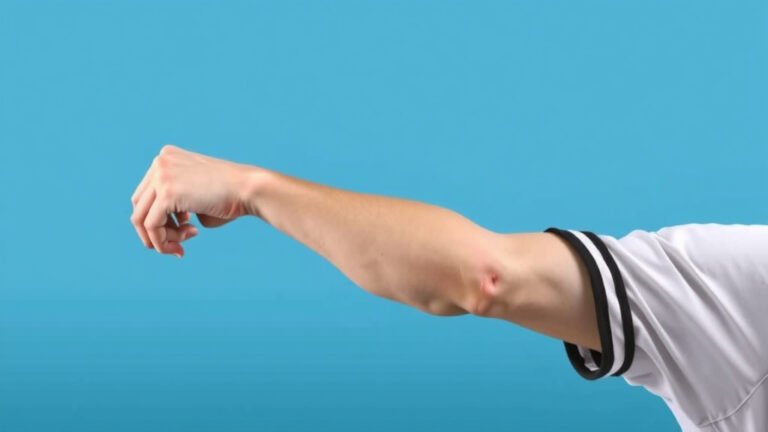
Here’s a drill-feel that works for a lot of hitters. As you rotate, imagine your back elbow brushing against your rib cage. Not squeezing it to death, just staying connected.
When that elbow stays close, your hands have no choice but to stay inside the ball. When it flies up and out, the bat path goes long and slow. Keep it tucked and the barrel does the work.
Keeping the Barrel in the Zone Longer
The payoff for good sequence is barrel time. A swing that stays inside the ball keeps the bat head in the hitting zone longer, which gives you more chances to make contact.
Mayo Clinic notes that rotational power in sports comes from the core and hips, not the arms, which lines up exactly with what hitting coaches teach. Your body is the engine. The bat is just the exhaust pipe.
Drills That Build the Right Feel
You can’t think your way into staying inside the ball. You have to feel it, over and over, until it becomes automatic. These drills are simple, cheap, and used at every level of baseball and softball.
- Tee work, inside pitch location: Place the tee slightly inside and work on keeping hands close while driving the ball up the middle.
- Short bat or choked-up swings: Choke up and take easy swings at 50% speed. It’s nearly impossible to cast with a short lever.
- Front toss with focus on hands: Have a partner toss from 10-12 feet and watch your hands in your peripheral vision.
- Fence drills: Stand with your back near a fence and swing without hitting it. Instant feedback.
- One-hand drills: Swing with only your top hand using a lighter bat to feel the barrel whip.
The PVC Pipe or broomstick drill
Grab a piece of PVC or an old broomstick and take slow, dry swings in your garage or backyard. Focus on one thing: hips first, hands second. Ten minutes a day beats an hour of mindless cage swings.
Many experts say slow-motion practice builds motor patterns faster than full-speed swings, and physical therapy research on skill learning backs that up (NCBI). Slow is smooth. Smooth becomes fast.
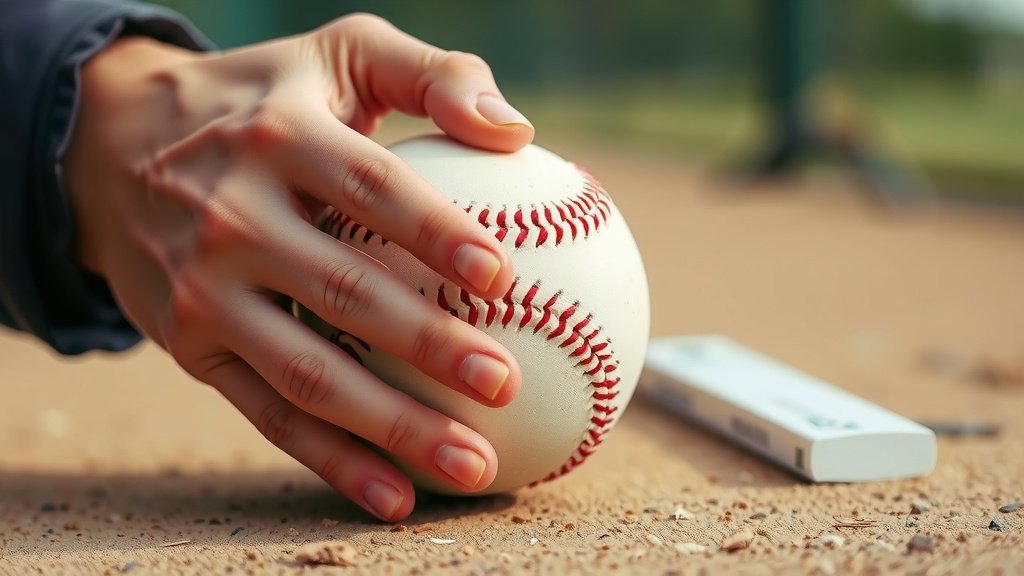
Common Mistakes That Pull Your Hands Outside
Even with good intentions, a few bad habits sneak in. Watch for these:
- Lunging forward with your front side, which forces hands to reach.
- Dumping the barrel early, letting the bat head drop before rotation starts.
- Gripping the bat too tight, which turns a whip into a stick.
- Trying to pull everything, which pushes hands around the ball too soon.
- Practicing at full speed only, so bad habits never get corrected.
The tight grip one surprises people. Studies on grip pressure and performance show that squeezing too hard reduces hand speed and fine control (NIH). Hold the bat like you’re holding a bird. Firm enough it can’t fly away. Gentle enough you don’t crush it.
Your Quick Daily Checklist
Print this, tape it to your bat bag, and run through it every practice:
- Hips started the swing before my hands moved.
- Back elbow stayed close to my rib cage.
- My top hand didn’t push or roll over early.
- The barrel stayed in the zone through contact.
- I finished balanced, not falling forward.
- I took at least 20 slow, focused swings today.
That last one matters most. Reps with intention beat reps with excuses every time. Stay patient, stay connected, and the power will show up on its own.
Conclusion
Keeping your hands inside the ball isn’t some mystery reserved for elite hitters. It comes down to a simple order of operations: load with your legs, turn your hips first, keep that back elbow connected, and let the barrel whip through last. When we researched how top instructors teach this, one theme kept showing up — the hands are passengers, not drivers. Fix your sequence, slow down your practice swings, and the casting habit fades faster than you’d expect. Your next step is easy: grab a bat tonight, take 20 slow swings at half speed, and focus on one thing only — hips before hands. Do that for a week and you’ll feel the difference the first time you square up a fastball.
Frequently Asked Questions
Does staying inside the ball work for softball too?
Absolutely. The mechanics are nearly identical in softball because both swings rely on body rotation to generate bat speed. Fastpitch hitters may deal with a rising rise ball, but the hands-close, barrel-late approach still applies. Every drill in this article transfers directly to the softball diamond.
How long does it take to fix a casting problem?
Most hitters start to feel a real difference within two to three weeks of focused practice. The key is quality over volume — 20 to 30 deliberate slow swings a day beat 100 sloppy ones. Old habits fight back when you get tired or nervous in games, so be patient with yourself. Consistency in practice is what makes the new pattern stick.
Should I keep my hands inside the ball on outside pitches too?
Yes, and it matters even more on the outer half. When you cast your hands at an outside pitch, you get exactly what casting produces: a weak roller to the opposite side. Staying connected lets the barrel travel deeper into the zone so you can drive that pitch the other way with authority. Inside or outside, the rule never changes.
What age should kids start learning to stay inside the ball?
Around 8 or 9 is a great time to introduce the feel, once a young hitter can swing with decent balance. Keep the language simple — “hands stay close, belly button turns” works better than technical jargon. Short bat swings and tee work make it fun instead of frustrating. Don’t expect perfection; just plant the seed early.
Can I stay inside the ball and still pull the ball for power?
You can, and most big leaguers do exactly that. Staying inside the ball doesn’t mean hitting every ball the other way — it means your hands take the shortest path so the barrel can go anywhere. Pull-side power actually comes from good connection, because the whip works best when the hands stay close. Cast, and you lose power everywhere.