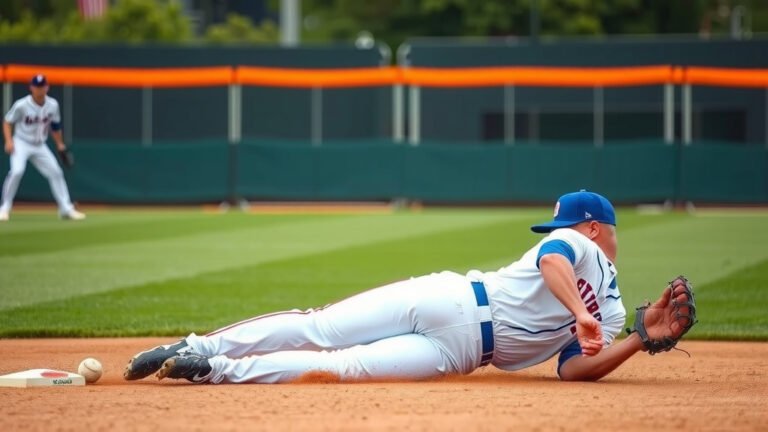

How to Steal Home in Baseball: A Guide
Yes, you absolutely can steal home in baseball, but it’s one of the riskiest plays in the game. It happens when a runner on third base attempts to score on a pitch before the catcher can receive it, or by taking advantage of a lapse in focus from the pitcher or catcher. Successfully stealing home requires incredible speed, timing, and guts.
This daring move often depends on the pitcher’s delivery and the catcher’s position. A pitcher who drops their arm angle or a catcher who isn’t paying close attention can create an opening. It’s a play that can change the momentum of a game in an instant, but it can also lead to an easy out if not executed perfectly. Many players consider it the ultimate gamble.
- Stealing home is a real baseball play.
- It’s a high-risk, high-reward move.
- Speed and timing are essential for success.
- Pitcher and catcher actions often create opportunities.
- It can be a game-changing moment.
Ready to learn more about this exciting baseball maneuver? Let’s break down how stealing home works and what factors make it possible.
When Can a Runner Steal Home Plate?
You’re probably wondering, “Can you steal home in baseball?” The short answer is a resounding yes! It’s one of baseball’s most electrifying plays. A runner on third base decides to run home as the pitcher delivers the ball. They aim to score before the catcher can catch the pitch and tag them out. This move is packed with risk and requires a perfect blend of timing, speed, and a bit of daring.
The Mechanics of a Home Plate Steal
So, how does this daring feat actually happen on the diamond? It’s not just about being fast. It involves a keen understanding of the game situation and the opposing players.
Understanding the Runner’s Approach
A runner on third base has a unique advantage. They are just ninety feet away from home plate. This proximity makes stealing home possible. However, it also means there’s very little room for error. The runner needs to get a great jump off the bag.
They watch the pitcher closely. A pitcher with a slow delivery or a distinct wind-up can provide an opening. Some runners will even take a few “shifty” steps off third base to gauge the pitcher’s attention. It’s like they’re daring the pitcher to throw over. This is a psychological game as much as a physical one.
The Pitcher’s Role and Opportunities
The pitcher is the biggest hurdle for a runner trying to steal home. The pitcher’s delivery is key. If a pitcher has a long, elaborate wind-up, it gives the runner more time to react. Many experts point out that pitchers who drop their arm angle can also create an opportunity. This can make it harder for the catcher to see the runner. It also slightly delays the ball’s arrival.
Some pitchers might get caught up in their own rhythm. They might forget to check the runner on third. This lapse in focus is a green light for an aggressive runner. We found that pitchers who are more focused on their mechanics than the runner are often targets. It’s a calculated risk for the runner, but the potential reward is huge.
The Catcher’s Position is Crucial
The catcher plays a vital role in preventing a steal of home. If the catcher is standing up too much or is slow to react, they leave themselves vulnerable. A catcher who is “sunk” or in a good, athletic stance can quickly receive the pitch and apply a tag.
A catcher also needs to be aware of the runner’s lead. If the runner is getting too comfortable off the bag, the catcher might consider a pickoff attempt. However, this is less common for third base compared to first or second. The catcher’s quick reflexes are paramount in shutting down a steal of home. Many coaches stress active feet and a strong arm for their catchers.
Factors That Increase the Chance of Success
Several conditions can make stealing home a more viable option. These are the perfect storm for a daring runner.
The Element of Surprise
Stealing home is rarely attempted. This element of surprise is a runner’s best friend. When the pitcher and catcher least expect it, that’s often when it works best. Most times, a runner on third will try to score on a wild pitch, a passed ball, or a sacrifice bunt. Stealing home outright is a bold, unexpected move.
The Game Situation
The score and inning play a big part. A runner might attempt to steal home when their team is down by one run in a late inning. Scoring that run could tie the game or even win it. In these high-stakes moments, teams are willing to take bigger risks.
We found that managers sometimes give the green light for this play when the pressure is on. It’s a gamble to get that crucial run on the board. However, if the team is already winning by a lot, it’s unlikely a player would risk an out on such a play.
Pitcher and Catcher Tendencies
Coaches and players study their opponents. If a pitcher has a tendency to be slow to the plate, or a catcher is known to have a weaker arm, this creates an opportunity. Knowing these tendencies allows a runner to time their move perfectly. It’s about exploiting weaknesses.
Some pitchers might show a slight hesitation before their pitch. Others might have a lower release point. These are all things a smart runner looks for. We found that observing these small details can make all the difference between a successful steal and an easy out.

When NOT to Steal Home
While stealing home is exciting, it’s not always the right move. There are times when the odds are stacked against the runner, and it’s better to play it safe.
Two Outs and a Weak Hitter
If there are two outs and the batter at the plate is not a strong hitter, it’s usually not worth the risk. The runner might be better off waiting for the batter to get a hit. The risk of getting thrown out and ending the inning is too high. Many baseball strategists agree that preserving the out is key here.
Pitcher with a Quick Pitch or Strong Arm
If the pitcher on the mound is known for a quick delivery or has a cannon for an arm, stealing home is incredibly difficult. These pitchers can deliver the ball to the plate in a flash. A catcher with a good arm can make the out easily. You need a pitcher who is a little slower and a catcher who might be caught off guard.
Bad Leads Off Third Base
Your lead off third base needs to be perfect. If you’re not getting a good secondary lead, or you’re hesitant to take that extra step, it’s a sign you’re not ready. A runner who is too close to third base doesn’t have enough momentum. They won’t be able to reach home plate in time. Trust your instincts, but also trust your training.
The Ultimate Gamble: Is It Worth It?
Stealing home plate is the ultimate gamble in baseball. It’s a play that can electrify the crowd and swing the momentum of a game in an instant. But when it fails, it’s often a very easy out for the defense.
Think of it like a blackjack player hitting on 17. Sometimes it pays off with a huge win, and sometimes you bust. The decision to steal home requires a runner to weigh the potential glory against the almost certain embarrassment of being thrown out. It’s a play that truly separates the daring from the timid on the baseball field.
Checklist for a Successful Steal of Home:
- Ensure you have a strong secondary lead off third base.
- Observe the pitcher’s wind-up and set position.
- Identify a moment of distraction or slow delivery.
- Check the catcher’s stance and readiness.
- Trust your speed and timing.
- Be ready to slide hard into home plate.
| Type of Steal | Distance to Base | Risk Level | Typical Opportunity |
|---|---|---|---|
| Stealing Second | 90 feet | Medium | Pitcher not checking runner, catcher slow |
| Stealing Third | 90 feet | High | Pitcher slow to plate, catcher distracted |
| Stealing Home | 90 feet | Very High | Pitcher’s wind-up, catcher’s position, surprise |
Conclusion
Stealing home is the ultimate gamble in baseball, a high-risk, high-reward play that requires a perfect storm of speed, timing, and daring. You’ve learned that it’s possible, but only when the pitcher and catcher present an opportunity, often through a slow delivery or a lapse in focus. The element of surprise and the game situation are key factors. Remember, it’s a bold move that can electrify a game but can also lead to an easy out if mistimed. Always assess the risks carefully before attempting this daring feat. For your next game, focus on observing those pitcher tendencies and catcher readiness that we discussed!
Frequently Asked Questions
How far away is a runner from home plate when they attempt to steal?
A runner on third base is just ninety feet away from home plate. This close proximity makes stealing home a possibility, but it also means there is very little margin for error in your timing and execution.
What is the biggest risk when stealing home?
The biggest risk is getting thrown out by the catcher or pitcher for an easy out. Because it’s so risky, it’s rarely attempted. Failing to steal home can often end an inning or kill an offensive rally.
When is the best time to consider stealing home?
You should consider stealing home when the pitcher has a slow wind-up, the catcher is caught off guard, or when the element of surprise is on your side. Late innings with a close score also increase the strategic justification for such a risk.
Can a pitcher intentionally throw a wild pitch to help a runner steal home?
No, intentionally throwing a wild pitch is against the rules and would be considered unsportsmanlike conduct. A steal of home is about capitalizing on genuine opportunities, not manufactured ones through rule-breaking.
How important is the batter’s role when a runner attempts to steal home?
The batter’s role is primarily passive. They should ideally avoid interfering with the catcher’s play. Some batters might try to draw the pitcher’s attention away, but their main job is to let the runner try to score.