Baseball Uniform Parts Explained: From Cap to Cleats
A baseball uniform is made up of several parts: the jersey, pants, cap, socks or stirrups, cleats, and a belt. Each piece has a job, from keeping you cool to helping you move fast on the field. Together, they form the classic look you see on every diamond.
Whether you’re a new player, a parent shopping for gear, or just a curious fan, knowing the parts makes buying easier. We researched this topic and found that many people mix up terms like stirrups and socks, or wonder why jerseys have buttons. Don’t worry — it’s simpler than it sounds.
- Jersey — the shirt, usually with your team name or number.
- Pants — long and loose, built for sliding.
- Cap — shields your eyes and shows team spirit.
- Socks or stirrups — the colorful part of the look.
- Cleats and belt — grip for your feet, fit for your waist.
Below, we break down each uniform part in plain English, so you’ll know exactly what you’re looking at (and what to buy). Let’s get started.
What Goes Into a Baseball Uniform?
A baseball uniform has six core pieces: jersey, pants, cap, socks or stirrups, cleats, and a belt. Each one earns its spot. Some protect you, some help you play better, and some just make the team look sharp.
Think of it like a toolbox. Every tool has a job, and you miss it when it’s gone. We found that players who understand each piece pick better gear and waste less money.
The Jersey: Your Team’s Billboard
The jersey is the shirt you see on every player. It carries the team name, your number, and sometimes your name across the back. It’s the loudest part of the uniform, and honestly, the most fun to wear.
Jersey Styles: Button-Up vs Pullover
Jerseys come in two main styles. Button-up jerseys use actual buttons down the front. Pullover jerseys slip over your head, often with a short button placket at the collar.
Button-ups are the classic look, straight out of baseball history. Pullovers are easier and cheaper. Youth leagues often go pullover because kids lose buttons like socks lose their matches in a dryer.
What Jerseys Are Made Of
Most modern jerseys use polyester or a polyester blend. Why? It wicks sweat away from your skin and dries fast. Cotton holds sweat and gets heavy, which nobody wants in the seventh inning.
The Cleveland Clinic notes that moisture-wicking fabrics help reduce skin irritation during hot weather activity. That matters when you’re playing doubleheaders in July.
Baseball Pants: Built for Sliding
Baseball pants are long, loose, and tough. They exist for one big reason: sliding. You’ll throw your body across dirt and gravel, and these pants take the beating so your legs don’t.
Full-Length vs Knicker Pants
You have two main choices here. Full-length pants run all the way to your shoes. Knicker style pants stop below the knee, which shows off your socks.
- Full-length — more protection, cleaner modern look.
- Knickers — old-school style, cooler in hot weather.
- Longer knickers — hit mid-calf, a popular middle ground.
We found that many travel and rec leagues let players pick. Check with your league before you buy.
Pant Fabrics That Last
Look for polyester with stretch, often called four-way stretch fabric. It moves when you move. Reinforced knee areas are a bonus if you slide a lot. Some pants even have a sliding layer built in.
The Cap: More Than a Fashion Statement
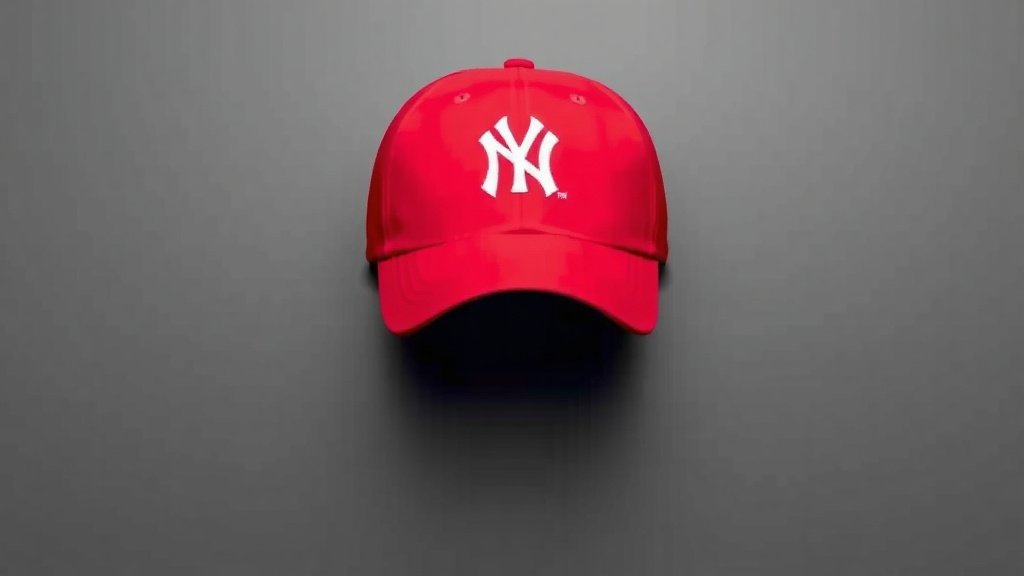
The cap shields your eyes from the sun and helps you track fly balls. It’s also the piece fans wear most outside the stadium. One cap, two jobs.
Fitted, Snapback, or Adjustable
Professional players wear fitted caps, sized exactly to their heads. Most youth and amateur players wear adjustable caps with a strap in the back. Snapbacks are a type of adjustable cap with a flat brim.
Fitted caps feel better and stay put. Adjustable caps grow with you, which parents love. Growing kids change hat sizes faster than they change opinions about vegetables.
Socks and Stirrups: The Colorful Part
Here’s where people get confused. A stirrup is not a sock. It’s a colored tube of fabric with a hole in the bottom. Your foot goes through the hole, and the stirrup wraps over a plain white sock underneath.
Why the strange setup? History. Teams once dyed their socks in colors that irritated skin, so players added a white protective layer underneath. The look stuck around because fans loved it.
How to Wear Stirrups Today
You have options now. Some players pull stirrups high so only a sliver of white shows. Others keep them low with lots of white peeking out. There’s no wrong answer, just team culture.
- High cut — mostly color showing, sleek look.
- Low cut — classic vintage vibe.
- Sanitary sock only — skip stirrups entirely; many modern teams do.
Cleats: Your Grip on the Game
Cleats are shoes with spikes on the bottom. Those spikes dig into dirt and grass so you can sprint, stop, and turn without slipping. Without cleats, running the bases is like sprinting on ice.
Molded, Metal, or Turf
| Cleat Type | Spikes | Best For |
|---|---|---|
| Molded | Plastic, built in | Youth leagues, most fields |
| Metal | Sharp steel | High school, college, pros |
| Turf | Small rubber nubs | Artificial turf, practice |
Metal spikes offer the best grip but tear up fields, so many leagues ban them. Check your league rules first. The CDC recommends sport-specific, well-fitting shoes as a key step in preventing youth sports injuries.
Getting the Fit Right
Baseball cleats run snug by design. Leave about a thumb’s width of room at the toe. Too tight and your feet hurt by inning three. Too loose and you lose grip and risk blisters.

The Belt: Small Piece, Big Job
The baseball belt holds your pants up during all that running and sliding. It threads through belt loops on the pants and buckles at the front. Simple, but skip it and you’ll be tugging at your waist all game.
Most belts use elastic with a leather or synthetic tip. Elastic flexes when you bend, which happens a lot. Match the belt color to your team colors and you’re set.
Extra Gear That Rides Along
Some pieces don’t count as “official” uniform parts, but they show up on every field. Knowing them helps you shop smart.
- Sliding shorts — padded shorts worn under pants to cushion slides.
- Sliding knee guards — hard shields that protect your shin during slides.
- Arm sleeves — keep arms warm or block sun.
- Undershirts — worn under the jersey for cooler weather.
- Cup and supporter — protective gear many leagues require.
Quick Uniform Checklist Before Game Day
Run through this list the night before. Your future self will thank you.
- Jersey — clean, correct number, team-approved.
- Pants — right length for your league’s style.
- Belt — threaded through loops, color matched.
- Socks or stirrups — both pairs packed if you wear stirrups.
- Cleats — league-legal type, laces double-knotted.
- Cap — fitted or adjusted, brim checked.
How the Parts Work Together
Each piece plays a role, but they work as a team — just like you. The jersey keeps you cool, the pants protect your legs, the cleats grip the ground, and the belt ties it all together (literally).
Many experts say that comfortable, well-fitting gear improves focus and confidence on the field. When your uniform fits right, you stop thinking about it and start thinking about the game. And that’s exactly where you want your head.
Now that you know every part and why it exists, you can shop with confidence, dress like a pro, and slide into home without a worry.
Conclusion
By now, you know a baseball uniform isn’t just one outfit — it’s six pieces working together. The jersey keeps you cool, the pants take the abuse of sliding, cleats keep you steady, and the smaller items like belts and stirrups tie the whole look together. We found that players who understand what each part does make smarter purchases and feel more comfortable on the field. That comfort turns into confidence, and confidence turns into better play. So before your next game or shopping trip, pull out the checklist above, double-check your gear, and make sure every piece fits and works for you. Your uniform should be the last thing on your mind when the first pitch flies.
Frequently Asked Questions
What are the parts of a baseball uniform called?
The main parts are the jersey, pants, cap, socks or stirrups, cleats, and belt. Some players also add undershirts, sliding shorts, and arm sleeves. Every piece serves a purpose, from protection to performance.
Do you have to tuck in a baseball jersey?
In most organized leagues, yes — jerseys are tucked in. It’s part of the clean, traditional look umpires expect. Youth and recreational leagues usually enforce it loosely, but it’s smart to tuck it by default.
Why do baseball players wear white pants?
White became the standard because it made it easy for fans and teammates to see the ball and players against the field. It also became a tradition dating back to the early days of the sport. Many teams now wear gray or colored alternates on the road.
How should baseball pants fit?
They should be loose enough to move and slide in, but not so baggy they snag on anything. The hem should sit at your shoe or just below the knee, depending on the style. We recommend trying them on with your cleats to check the length.
Can you wear baseball cleats on turf?
You can, but molded or turf-specific cleats work much better. Metal spikes grab artificial turf awkwardly and can wear it down fast. Many indoor facilities ban metal spikes entirely, so check the facility rules before you go.
What’s the difference between knickers and full-length baseball pants?
Full-length pants run all the way down to your shoes, while knickers stop below the knee and show your socks or stirrups. Full-length offers more protection when sliding. Knickers run cooler and give you that classic, old-school look.