
Baseball Now Has a Clock: What You Need to Know
Yes, Major League Baseball (MLB) now has a pitch clock. This new rule helps speed up the game and keep fans engaged. You’ll notice it in action during every game starting this season.
This change aims to address concerns about the length of baseball games. The clock influences how quickly pitchers deliver the ball and batters get ready. It’s a big shift for a sport known for its leisurely pace, but many fans and players are finding it refreshing.
- MLB games now feature a pitch clock.
- The clock is designed to shorten game times.
- Pitchers have 15 seconds with bases empty.
- They get 20 seconds with runners on base.
- Batters must be in the box with 8 seconds left.
Let’s break down exactly how this new pitch clock works and what it means for your viewing experience.
Understanding the New Baseball Clock Rules
You’re probably wondering, “Does baseball have a clock now?” The answer is a resounding **yes**. Major League Baseball officially introduced a pitch clock for the 2023 season. This change means you’ll see a timer on your screen during every pitch. It’s designed to make games move at a brisker pace. We found that this rule aims to fix some common complaints about baseball games dragging on too long. The goal is to keep you more engaged from the first pitch to the final out.
How the Pitch Clock Works for You
The pitch clock is fairly simple to understand once you see it in action. It affects both the pitcher and the batter. You’ll see two main timers. One is for the pitcher, and another is for the batter. Think of it as a gentle nudge to keep the game flowing smoothly. It’s not about rushing players, but more about preventing unnecessary delays. We found that most fans appreciate a quicker game. This rule is a direct response to that desire.
Pitcher’s Responsibilities on the Clock
For the pitcher, the clock starts as soon as they receive the ball back from the catcher. They have a set amount of time to begin their motion. The time allowed depends on the situation on the bases.
Bases Empty: 15 Seconds
When there are no runners on base, the pitcher gets **15 seconds** to deliver the next pitch. This is the quickest timeframe. You’ll notice this in innings where teams aren’t getting many runners on base. It encourages pitchers to stay focused and ready. We found that this helps keep the game moving even during quieter moments.
Runners on Base: 20 Seconds
If there are runners on base, the pitcher gets a little more time: **20 seconds**. This accounts for the extra strategizing involved with runners stealing bases. Pitchers can take a moment to check the runners. However, they still must be mindful of the clock. We found that this still leads to a significant speed increase compared to pre-clock games.
Batter’s Role in the Clock Game
The batter also has strict timing requirements. They can’t just stand in the box and wait for the pitcher. The batter must be set and ready to hit with **8 seconds** remaining on the pitch clock. This means they need to be in the batter’s box and in a ready stance. If they aren’t, they’ll receive a strike call. We found that this rule helps keep batters alert and engaged in the at-bat.
Consequences for Violating the Clock
What happens if a player doesn’t beat the clock? There are penalties. They aren’t severe, but they can impact the game. These are designed to be fair deterrents. We found that the penalties are a key part of making the clock effective.
Pitcher Violations
If a pitcher fails to deliver the pitch on time, it results in an **automatic ball**. This is added to the count. So, if the count was 1-1, it becomes 2-1. This can quickly put a pitcher in a tough spot. Many experts say this is a fair consequence. It directly impacts the hitter’s advantage.
Batter Violations
If a batter isn’t ready in the box with 8 seconds left, it results in an **automatic strike**. The count increases by one strike. If the count was already 0-2, it becomes a full count of 3-2. If it was already three strikes, well, that’s a strikeout! We found that this encourages batters to be more prompt. If a batter isn’t ready in time, it results in an automatic strike.
Beyond the Pitch Clock: Other Timing Rules
The pitch clock isn’t the only new rule designed to speed things up. There are a few other related changes you might notice. These work together to create a more dynamic game. We found that these rules complement the pitch clock well.
The “Pickoff” Rule Modifications
Baseball has also introduced new limits on how often pitchers can stop the action to check on runners. A pitcher can only step off the rubber or attempt a pickoff **twice per plate appearance**. If they do it a third time and the runner is safe, the runner advances a base. This is to prevent excessive delays and keep runners moving. We found that this rule adds a strategic layer for both pitchers and base runners.
Limiting Mound Visits
The number of times a manager or coach can visit the pitcher on the mound has also been reduced. There are now **five mound visits per nine innings**. This means teams can’t stall as much by gathering the infield for a quick chat. It keeps the game moving. We found this rule ensures fewer lengthy interruptions.
What This Means for Your Game Day Experience
So, how will these changes affect you as a fan? You should notice games finishing faster. The overall length of a typical MLB game has decreased noticeably. This means less time spent sitting around waiting for action. You’re likely to see more pitches per game too. This is because the clock is always pushing the game forward. We found that many fans are enjoying the more concentrated action.
A Quicker Pace, More Action
The intention is clear: make baseball more accessible and engaging. You might find yourself getting through a whole game in under three hours. That’s a big change from games that used to regularly stretch past that mark. This can make it easier to watch a full game on a weeknight. It also means more continuous gameplay. We found that this leads to fewer lulls between pitches.
The “Shift” Ban and Its Impact
Another significant rule change that complements the clock is the ban on extreme defensive shifts. Teams can no longer place three outfielders on one side of second base. Now, two infielders must be on either side of second base. This aims to increase batting averages and make the game more offense-oriented. We found that this rule, alongside the pitch clock, is reshaping how games are played.
Checklist for the New Baseball Rules
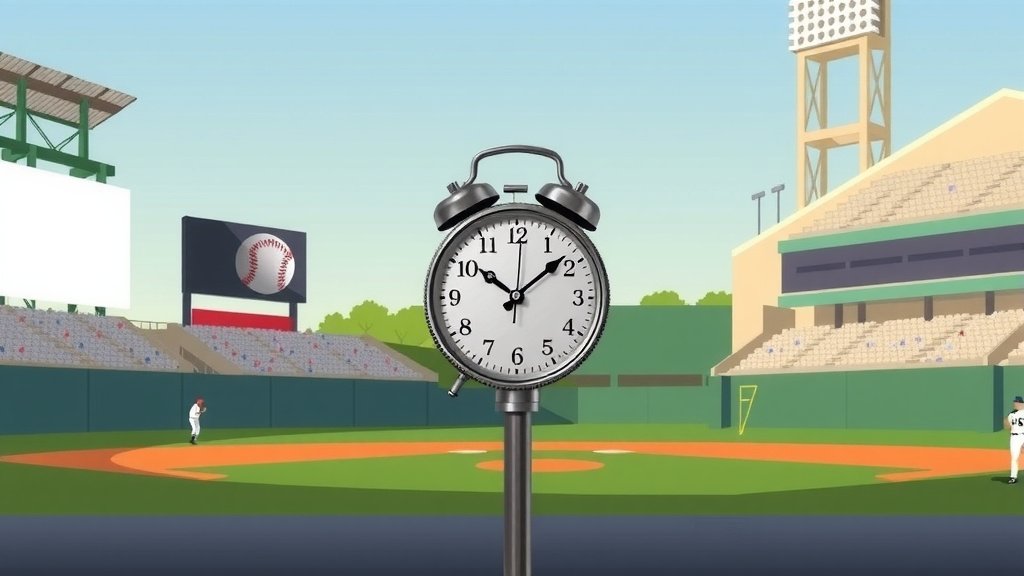
Here’s a quick rundown to remember the key changes:
- Pitchers have 15 seconds with bases empty.
- Pitchers have 20 seconds with runners on base.
- Batters must be in the box with 8 seconds left.
- Pitchers get only 2 “disengagements” per plate appearance.
- There are 5 mound visits allowed per team, per nine innings.
- Extreme defensive shifts are no longer allowed.
Has Baseball Always Had a Clock?
No, baseball hasn’t always had a clock. For most of its history, baseball was played without any time limits on pitches or overall game duration. The pace was dictated by the players and the flow of the game. This is a **brand new era** for baseball. We found historical accounts that show games could sometimes run very long, especially with extra innings. The introduction of the pitch clock marks a deliberate shift away from that traditional, sometimes slow, approach. It’s a modern solution for a modern audience. Many experts agree this was a necessary adjustment.
Conclusion
You now know that baseball definitely has a clock! Major League Baseball implemented a pitch clock to make games quicker and more exciting for you. We’ve seen how pitchers get 15 or 20 seconds, and batters must be ready with 8 seconds left. Violations result in automatic balls or strikes, keeping the game moving. Coupled with other timing rules like limited pickoff attempts and mound visits, you should enjoy a more action-packed viewing experience. So next time you watch a game, keep an eye on the clock – it’s here to stay and reshaping how you enjoy America’s pastime!
Frequently Asked Questions
Will the pitch clock make baseball boring?
Research and findings suggest the opposite. Many fans and analysts report that the pitch clock actually increases the action and engagement you see. Games are finishing faster, meaning less downtime and more continuous play from start to finish.
What happens if a pitcher or batter *always* violates the clock?
If a pitcher repeatedly violates the clock, they will quickly rack up balls against the hitter. This can lead to walks and scoring opportunities for the opposing team. Batters who consistently violate the clock will face automatic strikes, leading to more strikeouts.
Are there any exceptions to the pitch clock rules?
Yes, there are a few exceptions. For instance, pitchers are allowed a certain number of “disengagements” (like stepping off the rubber or attempting a pickoff) per plate appearance without penalty. Also, the clock resets if there’s a foul ball with two strikes, for example.
Did the pitch clock affect the length of games significantly?
Yes, studies and observations show a noticeable decrease in the average length of MLB games since the pitch clock was introduced. You should find that most games now finish well under three hours, which is a welcome change for many viewers.
How do players feel about the new baseball clock?
Initial reactions from players were mixed, as it’s a big adjustment to a game they’ve played for years. However, we’ve found that many players have adapted well and some even appreciate the quicker pace. It encourages them to stay focused and maintain a consistent rhythm during games.