Best Baseball Glove for 10 Year Old Players: Top Picks
The best baseball glove for a 10 year old is a youth glove sized between 10.5 and 11.5 inches, with soft, easy-to-close leather and a web pattern that fits your kid’s position. Get the size right, and catching actually becomes fun instead of frustrating.
Here’s the thing most parents learn the hard way: a glove that’s too big or too stiff can quietly kill a kid’s love for the game. We researched dozens of youth gloves, and we found that fit matters more than brand. Factors like hand dominance (left vs. right throw), position, and break-in time all play a role too.
So how do you pick the right one without drowning in product specs? That’s exactly what we cover below.
- Size: Most 10 year olds need a 10.5–11.5 inch glove.
- Material: Soft leather or leather-mesh hybrids break in faster than stiff pro-grade leather.
- Position: Infielders, outfielders, and catchers all need different glove styles.
- Fit test: Your kid should be able to close the glove easily with one hand.
- Budget: You don’t need to spend a fortune to get a solid youth glove.
Below, we break down everything you need to know about choosing a baseball glove for your 10 year old, from sizing charts to our top picks. Let’s get your kid geared up the right way.
Choosing the Right Youth Glove: What Matters Most
For a 10 year old, the right glove comes down to four things: size, material, position, and comfort. Nail those, and your kid will catch more balls and complain less. Miss them, and you’ll hear about it every practice.
We researched dozens of youth gloves and talked through what actually works at this age. Here’s the breakdown.
Glove Size for a 10 Year Old
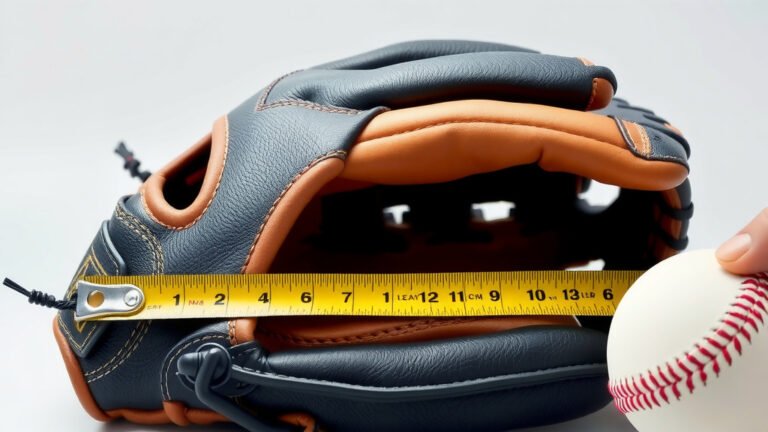
Most 10 year olds do best with a glove between 10.5 and 11.5 inches. That’s measured from the tip of the index finger down to the heel of the glove. Anything bigger looks cool but usually stays stiff and heavy.
Here’s a quick size chart we put together based on common youth league guidance:
| Player Age | Recommended Size |
|---|---|
| 8–9 years | 10–10.5 inches |
| 10 years | 10.5–11.5 inches |
| 11–12 years | 11–11.5 inches |
| Teens | 11.5–12.5 inches |
Why Bigger Isn’t Better
It’s tempting to buy a glove your kid can “grow into.” We found that this usually backfires. A heavy glove tires out small hands, and a tired hand means dropped balls. Think of it like wearing your dad’s shoes to run a race. Technically possible. Terribly uncomfortable.
Material: Soft Leather Wins at This Age
Look for full-grain or kip leather marked “youth” or gloves with a leather-mesh hybrid design. These break in within a week or two instead of an entire season. Pro-grade steer hide looks great hanging in a store, but a 10 year old’s grip strength usually can’t close it.
Many experts say a glove should close easily with one hand before you buy it. Have your kid squeeze the glove shut in the store. If they struggle, move on. No exceptions.
Webbing and Position Fit
The web is the patch between the thumb and fingers. It changes how the glove plays. At 10, most kids are still moving around positions, so versatility beats specialization.
- I-web or H-web: Great for infield. Dirt and pebbles fall through the gaps.
- T-web or basket web: A flexible all-around choice for kids who play everywhere.
- Modified trap or wide web: Better for outfield, where you need a bigger pocket.
- Catcher’s mitt: A separate purchase if your kid actually squats behind the plate. If your kid commits to catching, our guide to playing the catcher position covers the skills they’ll need.
Left Hand vs. Right Hand Gloves: The Thrower’s Rule
The glove goes on your non-throwing hand. If your kid throws right-handed, they need a glove worn on the left hand. That’s called a “right-hand throw” (RHT) glove, which confuses everyone at least once.
Double-check before you buy. We found that returned gloves are almost always mix-ups on this. If you’re shopping online, read the label twice. If your kid is an ambidextrous switch-thrower, pick their dominant throwing hand and stick with it for consistency.
How to Break In a New Youth Glove
A new glove should take one to two weeks to break in, not a whole summer. Here’s a simple plan that works:
- Play catch daily. Twenty minutes a day beats one long weekend session.
- Bend the glove back and forth at the hinge while watching TV.
- Put a ball in the pocket and wrap the glove with a band overnight.
- Use a small amount of glove conditioner if the leather feels dry. Never microwave it or soak it in water. That ruins the leather.
Some stores offer machine break-in services. Many coaches suggest the old-fashioned catch method instead, because it shapes the pocket to your kid’s hand. There’s something fitting about that: the best tool for breaking in a glove is simply baseball.
Budget Guide: How Much Should You Spend?
You can get a solid youth glove for $40 to $80. Below that, you’re usually looking at plastic or vinyl gloves that don’t hold shape. Above that, you’re paying for pro-level leather your 10 year old can’t yet close.
Our honest advice? Kids at this age outgrow gloves in a season or two. Spend smart, not big. Save the $200 glove for when they’ve grown into a full-size field and still love the game.
Where the Money Actually Goes
Higher prices mostly buy better leather and handcrafting. Neither helps a kid who needs a soft, light glove right now. Comfort and fit beat craftsmanship at this stage every time.

Safety and Comfort Considerations
Gloves protect hands, but overall comfort keeps kids playing. Young athletes who enjoy practice build lasting habits, and consistent activity supports healthy growth, according to the CDC’s physical activity guidelines for children. A glove that hurts to wear works against exactly that.
Watch for a few red flags after the first week of use:
- Numbness or tingling in fingers after catching (glove may be too stiff).
- Red marks on the hand from a tight wrist opening.
- Your kid “forgetting” the glove at home. That’s often discomfort talking, not forgetfulness.
If discomfort lasts, the Mayo Clinic recommends stopping the activity and checking the cause rather than pushing through pain. Same rule applies here. A glove should never hurt.
Quick Checklist Before You Buy
Print this or save it to your phone. It covers everything we discussed:
- Measure the size: 10.5–11.5 inches for most 10 year olds.
- Confirm throwing hand: Glove goes on the non-throwing hand.
- One-hand squeeze test: Your kid closes it easily in the store.
- Pick the web: Flexible T-web or basket web for all-around play.
- Check the weight: It shouldn’t drag the hand down when extended.
- Set a budget: $40–$80 covers nearly every good youth option.
Common Mistakes Parents Make (And How to Avoid Them)
We found the same three mistakes pop up again and again. You can dodge all of them in five minutes.
Mistake #1: Buying for Next Year
Growth spurts are unpredictable. Buy for the hand your kid has today. A slightly snug glove that closes beats a roomy one that flops around like a swim fin.
Mistake #2: Ignoring the Break-In
A stiff new glove handed over on game day is a recipe for frustration. Start the break-in process the week you buy it, before the season gets busy.
Mistake #3: Chasing Brand Names
The big brands all make good youth gloves. The model matters more than the logo. Fit, softness, and weight decide whether your kid catches the ball, not the name stitched on the wrist.
Conclusion
Choosing the right baseball glove for your 10 year old doesn’t have to feel like guesswork. Stick to the 10.5–11.5 inch range, pick soft leather your kid can close with one hand, and confirm the throwing hand before checkout. Skip the “grow into it” trap and keep your budget in the $40–$80 sweet spot. We found that fit and comfort beat brand names every single time at this age. Now take the next step: grab your kid, head to a local sporting goods store, and have them try on a few gloves. Ten minutes of squeezing and comparing will tell you more than any product page ever could.
Frequently Asked Questions
Should a baseball glove feel tight on a 10 year old?
A slight snugness is fine, especially with new leather, because gloves loosen up as they break in. But there should never be pinching at the wrist or numbness in the fingers. If your kid complains of discomfort after a few minutes of wear, the fit isn’t right.
How long does a youth glove usually last?
Most kids outgrow a glove in one to two seasons, which is normal and expected at this age. If the lacing frays or the pocket flattens before then, a cobbler or glove repair service can often fix it for under $20. Otherwise, treat it as a yearly gear refresh.
Can my 10 year old use one glove for baseball and softball?
It works in a pinch, but it’s not ideal. Softballs are bigger than baseballs, so a softball glove has a wider pocket. If your kid plays both sports regularly, a slightly larger utility glove around 11.5 inches is a reasonable compromise.
Is it okay to buy a used baseball glove for my kid?
Absolutely, and it’s a smart way to save money. The bonus is that used gloves are usually already broken in and easy to close. Just inspect the lacing, check for cracks in the leather, and confirm it’s the correct throwing hand before you buy.
Does my 10 year old need a separate catcher’s mitt?
Only if they actually catch regularly. A regular fielder’s glove won’t protect the hand from repeated fastballs behind the plate. If your kid rotates into catcher once or twice a season, ask the coach about borrowing a team mitt before spending extra.