Pitcher Can Pitch Both Doubleheader Games Yes
Yes, a pitcher absolutely can pitch both games of a doubleheader, but it’s a rare and demanding feat. While rules don’t explicitly forbid it, the physical toll makes it incredibly difficult for a pitcher to be effective in two separate games on the same day. It requires exceptional stamina and a specific game situation to even be considered.
Pitching in one game is tough enough. Doing it twice in a single day means facing double the batters and throwing hundreds of pitches across two contests. Many baseball analysts and coaches would agree that the risk of injury often outweighs the potential benefits of having your ace on the mound for both. You’d likely see a team avoid this unless absolutely necessary.
- Pitchers can technically pitch both games of a doubleheader.
- It’s extremely rare due to the high physical demand.
- Throwing that many pitches increases the risk of arm injury.
- Teams usually have separate starting pitchers for each game.
- A pitcher would need to be incredibly durable to attempt it.
Let’s dive into the specific reasons why it’s uncommon and what circumstances might lead to such an event, even if it’s not ideal.
Can a Starting Pitcher Cover Both Games of a Doubleheader?
So, you’re wondering if a single pitcher can be called upon to start and finish both games of a doubleheader. The short answer is: technically, yes, but it’s extremely rare and usually not a smart strategy.
In the official rules of baseball, there’s nothing that explicitly says a pitcher cannot pitch in both games of a scheduled doubleheader. However, the physical demands of pitching are immense. Asking a pitcher to do it twice in one day is like asking a marathon runner to run two marathons back-to-back. It’s a huge ask.
The Brutal Physical Demands on Pitchers
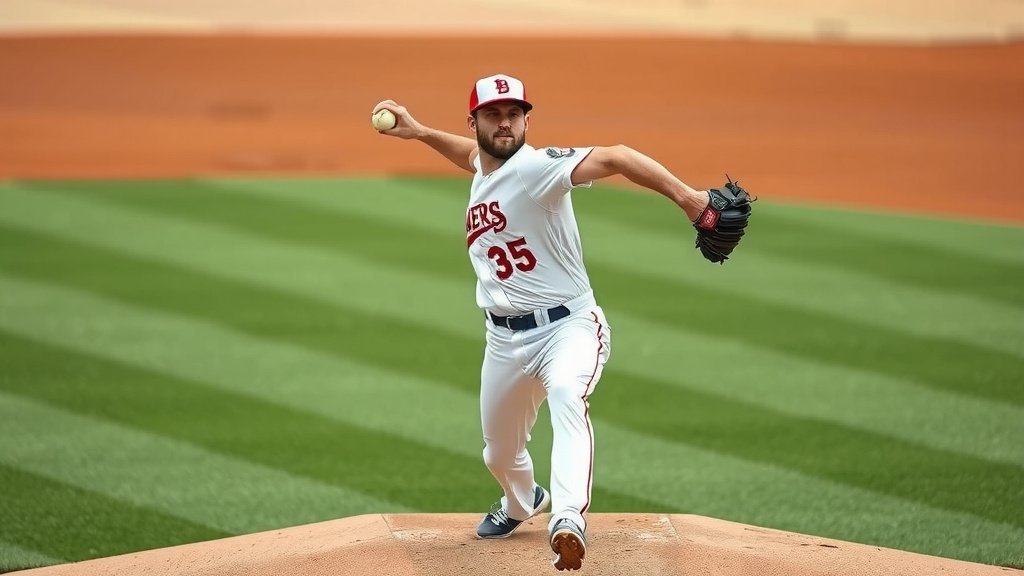
Pitching is one of the most physically taxing actions in sports. It involves a violent, rotational motion that puts immense stress on the arm and shoulder. A starting pitcher typically throws well over 90 pitches in a single game. Some might even reach 120 pitches.
The Pitch Count Problem
When you double that, you’re looking at potentially 200 or more pitches in a single day. Baseball organizations, especially at the professional level, have strict pitch count guidelines. These are in place to protect young arms and prevent injuries to veteran pitchers alike. Exceeding these counts, even for one game, can lead to problems. Doing it twice? It’s almost unthinkable.
Increased Risk of Injury
Exhaustion is a pitcher’s enemy. As fatigue sets in, a pitcher’s mechanics tend to break down. This can lead to poor pitch location and, more importantly, an increased risk of injury. A tired arm is more susceptible to tears and strains. We’ve seen many pitchers sidelined for the season due to injuries that often start with overuse or fatigue (American Sports Medicine Institute).
Think about it: throwing a baseball at high velocity requires precise coordination and strength. When a pitcher gets tired, their arm slot might drop, their release point might change, or they might not rotate their body properly. These subtle changes can put abnormal stress on the elbow and shoulder ligaments.
Why Teams Avoid This Strategy
Baseball teams invest a lot of money and time in their pitchers. They want them to be healthy and effective for the entire season, not just one doubleheader. The potential gains from having your best pitcher go all out for two games are often outweighed by the significant risk of losing them to the injured list.
The Importance of a Healthy Rotation
A solid starting rotation is key to a team’s success. Teams rely on their pitchers to deliver quality starts consistently. Pulling a pitcher for two games would disrupt the normal rotation schedule and could put unnecessary strain on other pitchers who might have to pitch on short rest. It’s a domino effect.
Strategic Considerations for Doubleheaders
Most of the time, teams plan for doubleheaders by lining up two separate starting pitchers. This allows them to manage pitch counts and keep their arms fresh. Even if one pitcher has a stellar performance and throws fewer pitches than expected, it’s still highly unlikely they’d be asked to come back out for Game 2.
There are exceptions, of course. Sometimes, a pitcher might throw an exceptionally short outing in the first game, perhaps due to an early rain delay or an injury to a reliever that forces the starter out early. Even then, it’s rare for that same pitcher to then be asked to pitch the second game.
When It Might (Barely) Happen: Extreme Circumstances
While incredibly rare, there are a few scenarios where a pitcher might pitch both games of a doubleheader. These are usually situations where a team is facing an unusual or desperate circumstance.
Unforeseen Roster Issues
Imagine a scenario where a team has multiple pitchers suddenly unavailable due to illness, injury, or other roster moves. If they don’t have enough fresh arms available, a manager might, as a last resort, consider using a pitcher for both games. This would likely only happen if the pitcher had a very limited workload in the first game.
Historical Examples (and Why They’re Rare)
There have been a few instances in baseball history where pitchers have pitched both games of a doubleheader. These are often considered legendary feats, precisely because they are so difficult and uncommon. In some older eras of baseball, before specialized bullpens and strict pitch counts, this kind of thing was slightly more common, though still remarkable.
One famous example is Tony Cloninger of the Atlanta Braves, who hit two grand slams while pitching the second game of a doubleheader in 1966. He also pitched the first game. This kind of dual performance is what makes those stories stick out. It really shows the extraordinary nature of such an event.
A Pitcher’s Stamina and Skillset
For a pitcher to even be considered for this, they would need to possess exceptional stamina and a high level of conditioning. They would also likely need to be a pitcher who consistently throws fewer pitches per start, perhaps a finesse pitcher rather than a power pitcher who relies on sheer velocity.
Their performance in the first game would also have to be incredibly efficient. This means getting early contact, inducing ground balls, and avoiding deep counts. Essentially, they’d have to pitch a near-perfect game in terms of pitch economy just to have a chance at throwing a second one.
The Modern Game’s Approach
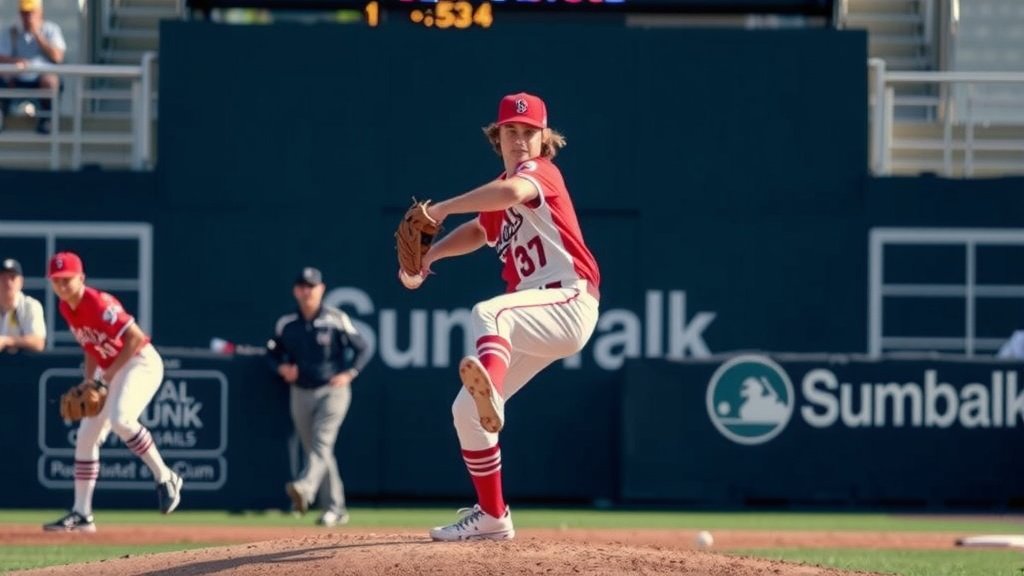
Today, with advanced analytics and a greater focus on pitcher health, the likelihood of seeing a pitcher throw both games of a doubleheader is vanishingly small. Teams meticulously track every pitch, every throw, and every inning. The long-term health of their pitching staff is a top priority.
Focus on Pitcher Health and Longevity
We found that modern baseball heavily prioritizes pitcher longevity (National Institutes of Health). The days of pitchers routinely throwing 200-300 innings a season are largely gone. This shift in philosophy further solidifies why asking a pitcher to throw two complete games in one day is almost unheard of.
The focus is on developing multiple quality starters and a deep bullpen. This allows teams to navigate the long season and avoid overworking any single arm. It’s a more sustainable model for success and, more importantly, for the health of the players.
Checklist: Is Your Pitcher Ready for Double Duty?
If a manager were ever to consider such a feat, here’s what they’d be looking for:
- Pitcher threw fewer than 70 pitches in Game 1.
- Pitcher felt strong and didn’t show signs of fatigue.
- Pitcher had at least 3-4 hours of rest between games.
- Team has an extremely thin bullpen due to injuries or call-ups.
- The stakes are incredibly high, and there are no other viable options.
- The opposing team is particularly weak or has pitching issues of their own.
Conclusion
As you’ve seen, a pitcher can technically pitch both games of a doubleheader, but it’s a path fraught with physical peril and strategic drawbacks. Modern baseball prioritizes pitcher health and longevity above almost all else. The days of expecting one arm to carry that kind of load are largely behind us. Unless facing truly dire, unforeseen circumstances, you’ll continue to see teams carefully manage their pitchers’ arms. So, while it makes for great stories, don’t expect to see your ace on the mound for two complete games anytime soon. Focus on your team’s pitching depth instead!
Frequently Asked Questions
What happens if a pitcher throws very few pitches in the first game of a doubleheader?
If a pitcher throws an unusually low pitch count in Game 1, perhaps due to an early offensive explosion or a short outing by the opposing pitcher, it might make them available for Game 2. However, it’s still a rare decision due to the desire to rest their arm and maintain their regular pitching schedule. The manager would have to weigh many factors before making that call.
Are there different rules for professional vs. amateur doubleheaders regarding pitchers?
While the official rules of baseball don’t strictly differentiate, amateur leagues and youth baseball organizations often have much stricter pitch count limits and rest day requirements. These rules are designed to protect younger arms from injury. Professional leagues have more flexibility but still operate under a strong understanding of arm care and recovery.
Can a pitcher who pitched in relief in the first game pitch a start in the second game?
Yes, this is more plausible than a starter going both ways. If a relief pitcher threw only a handful of pitches in the first game, they might be considered for a starting role in the second. This strategy could be used if the team needs to save their scheduled starter for another day or if they’ve had multiple pitchers unavailable due to prior games.
What historical instances exist of pitchers throwing both games of a doubleheader?
There are a few legendary examples, like Tony Cloninger in 1966. These instances are celebrated precisely because they are so rare and demanding. They often occurred in eras with different approaches to pitching and before modern analytics heavily dictated pitch counts and rest. These feats highlight an exceptional level of endurance and performance.
How does the modern bullpen affect the likelihood of a pitcher doing both games?
A deep and capable bullpen makes it far less likely that a starter would need to pitch both games of a doubleheader. Teams rely on their relievers to cover innings and bridge the gap between starters. Having a strong bullpen provides flexibility, allowing managers to avoid overworking any single pitcher, especially their ace.