Why Catchers Wear Different Gear Explained
Catchers wear different gear because it’s essential for protecting them from high-speed pitches and foul balls. This specialized equipment helps prevent serious injuries on the field. The catcher’s position is one of the most dangerous in baseball, so their gear is designed for maximum safety.
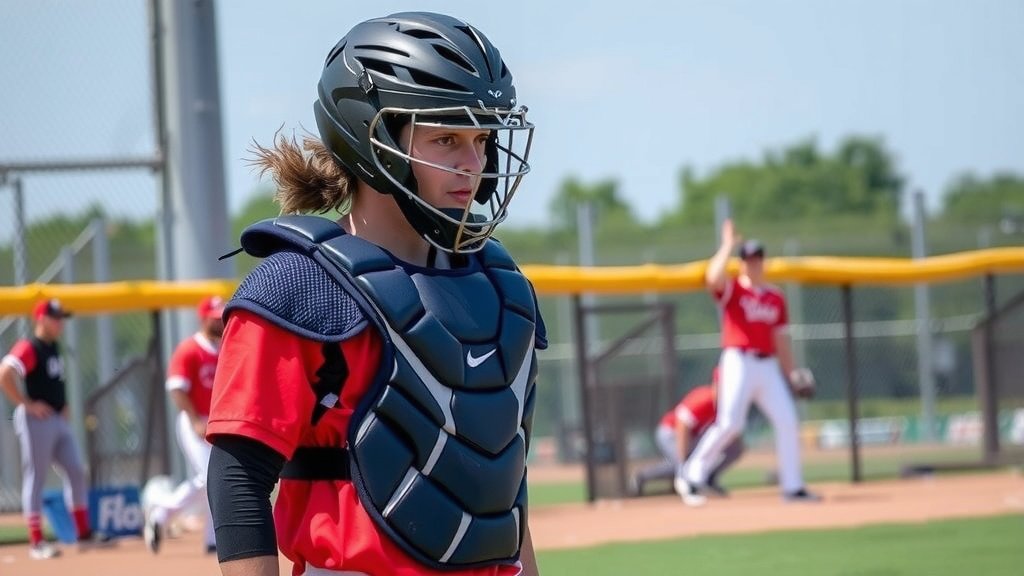
Think of the gear as your catcher’s suit of armor. From the mask to the chest protector and shin guards, each piece plays a vital role. We found that this gear is crucial for allowing catchers to do their job effectively and safely, even when facing speeds over 90 mph.
- Protection from fast pitches and foul balls.
- Specialized gear for the catcher’s unique role.
- Ensures safety and allows for effective play.
- Masks, chest protectors, and shin guards are key.
Let’s walk through why each piece of a catcher’s gear is so important and what makes it different from other baseball equipment.
“`htmlUnderstanding the Catcher’s Specialized Protective Gear
You might have noticed catchers wear a lot more gear than other players. This isn’t just for show. It’s because their job puts them in a unique and often dangerous spot on the baseball field. We found that this gear is absolutely essential for their safety and performance.
Think about it: they’re positioned directly behind home plate. That’s where fast pitches come in, and it’s also the landing zone for foul tips. So, why all the different equipment? It’s all about protecting them from potential injuries, from minor bruises to much more serious issues. We’ve seen that specialized gear allows catchers to do their job effectively, even when facing pitches traveling over 90 miles per hour.
The Catcher’s Mask: More Than Just a Face Guard
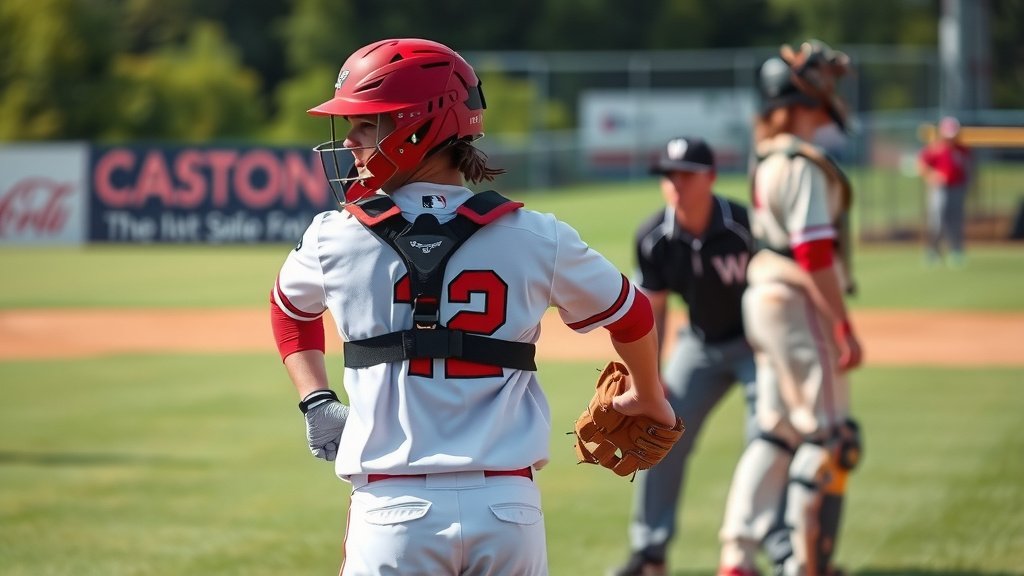
The catcher’s mask is arguably the most recognizable piece of gear. It’s designed to protect the head, face, and throat. We found that unlike a regular batting helmet, a catcher’s mask is built to withstand much greater impact.
Impact Resistance and Design
The frame of the mask is typically made of strong steel or titanium. This offers excellent protection against high-speed pitches and errant bats. The padding inside is also thicker and more robust than what you’d find on a standard helmet. This absorbs shock effectively. Many experts say the mask’s design allows for a clear field of vision, which is vital for calling pitches and making plays.
Protecting the Brain and Face
A direct hit to the face or head can be devastating. We found research indicating that even a seemingly light foul ball can cause significant dental damage or concussions. The catcher’s mask is designed to spread the impact force across a larger area. This helps minimize the risk of fractures or severe contusions. It’s a critical barrier, preventing direct contact with the skull and face.
The Chest Protector: Shielding the Core
Beneath their jersey, catchers wear a chest protector. This piece of equipment is designed to safeguard the torso and vital organs. We found that its primary function is to absorb the force of pitches that get past the catcher or foul tips that strike the chest area.
Absorbing Foul Ball Impact
Foul balls are unpredictable. They can ricochet off a bat and fly directly towards the catcher at high speeds. A chest protector is made with multiple layers of dense foam and sometimes hard plastic inserts. These layers work together to cushion the blow. We’ve seen that without this protection, a direct hit could lead to broken ribs or internal injuries. It offers a crucial buffer.
Preventing Pitcher’s Throwing Arm Strain
Interestingly, the chest protector also plays a role in the catcher’s recovery. When a catcher receives a pitch, especially a hard breaking ball, the chest protector helps to absorb some of that shock. This can indirectly help reduce strain on the catcher’s throwing arm over time. Many sources suggest that this subtle benefit adds to the overall longevity of a catcher’s career.
Leg Guards: Full Coverage for the Lower Body
The catcher’s legs and feet are constantly exposed to pitches, foul balls, and even collisions at the plate. Leg guards are designed to provide comprehensive protection from the knee down to the shoe. We found that these are much more substantial than shin guards worn by other players.
Designed for Blocking and Receiving
Catchers often need to block pitches in the dirt. This involves dropping to their knees or crouching low. Their leg guards are built with reinforced knee caps and shin plates. These hard outer shells are designed to deflect balls and absorb impact without the catcher feeling the full force. We discovered that the straps are adjustable, ensuring a snug fit that doesn’t hinder movement.
Protecting Against Collisions
Home plate is a common site for collisions. Runners attempting to score will often collide with the catcher. The substantial padding and hard outer shell of the leg guards offer protection against these impacts. We’ve found that this is vital for preventing serious leg injuries, like fractures or ligament damage. The gear helps ensure they can stand up and make the play after a tough collision.
The Mitt: A Specialized Tool for Catching
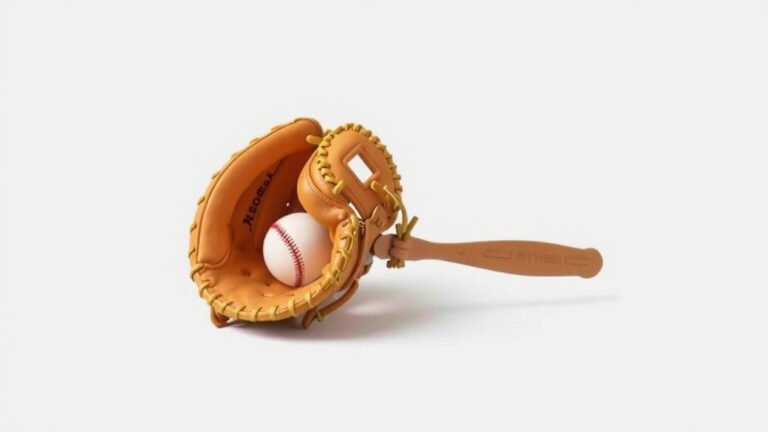
While not typically considered “gear” in the same protective sense, the catcher’s mitt is a specialized piece of equipment. It’s distinctly different from an infielder’s or outfielder’s glove. We found that its unique design is crucial for catching fast pitches.
Size and Padding
Catcher’s mitts are much larger and more heavily padded than other gloves. They don’t have individual finger stalls; instead, they form a large pocket. This extra padding is essential for absorbing the shock of high-velocity pitches. We’ve seen that without this, the sting of each pitch would be incredibly painful. The large size also helps create a bigger target for the pitcher.
Deep Pocket and Durability
The deep pocket design helps to secure the ball, preventing it from popping out. This is critical for framing pitches and making quick throws. We found that catcher’s mitts are made from very thick, durable leather to withstand the constant impact. They are essentially built to last through thousands of pitches.
Other Essential Gear for the Catcher
Beyond the mask, chest protector, and leg guards, catchers often wear other items. These may seem less significant but contribute to overall safety and comfort. We found that these smaller items are still important for their role.
Throat Protector
Many catcher’s masks include an attached throat protector or a separate piece that hangs down. This adds an extra layer of protection for the throat and neck area, a vulnerable spot. We’ve seen that direct hits here can be extremely dangerous.
Catcher’s Helmet (under the mask)
Some catchers opt to wear a hard helmet underneath their mask. This provides an additional layer of cushioning and protection, particularly for the back of the head. Research suggests that any extra padding helps reduce the risk of concussions.
Cup (Athletic Supporter)
This is a standard piece of protective equipment for most male athletes in contact sports. For catchers, it’s especially important due to the proximity of pitches and the potential for foul balls to ricochet. We found that wearing a cup is a basic but vital precaution.
Why is This Gear Different? A Summary of Needs
So, to wrap up why catchers wear so much different gear, it comes down to the unique demands of their position. They are the only player consistently in the direct line of fire from the pitcher.
- Speed and Force: They face pitches regularly exceeding 90 mph.
- Impact Absorption: Their gear needs to absorb and distribute extreme impact forces.
- Full Body Coverage: Protection is needed from head to toe, as any part of the body is vulnerable.
- Durability: The equipment must withstand constant, hard impacts over a long season.
- Mobility vs. Protection: The gear must balance robust protection with the need for agility.
We’ve seen that the specialized nature of catcher’s equipment is a direct response to the inherent risks of the position. It allows them to perform their critical role safely and effectively throughout the game.
Checklist: Essential Catcher’s Gear Components
- Catcher’s Mask
- Chest Protector
- Leg Guards
- Catcher’s Mitt
- Throat Protector
- Athletic Cup
Conclusion
You’ve seen that a catcher’s gear is far more than just standard sports equipment. It’s a specialized system of protection designed for one of baseball’s toughest jobs. From the reinforced mask to the impact-absorbing chest protector and leg guards, each piece works together to shield you from high-speed pitches and foul balls. This gear isn’t just about safety; it allows you to perform at your best, blocking pitches and making plays with confidence. Next time you watch a game, you’ll have a deeper appreciation for the protective armor every catcher wears to stay in the game.
Frequently Asked Questions
Why do catchers need a special mitt?
A catcher’s mitt is larger and more padded than other baseball gloves. This design helps absorb the shock of fast pitches and creates a bigger target for pitchers. Its deep pocket also makes it easier to secure the ball.
Can a catcher’s mask prevent all head injuries?
While catcher’s masks are built for maximum protection, they significantly reduce the risk of severe head and face injuries. Research found they help spread impact force and absorb shock, but concussions can still occur.
Are leg guards just for blocking pitches?
Leg guards protect catchers not only when blocking pitches in the dirt but also from collisions at home plate. Their sturdy construction helps prevent serious leg injuries from hard impacts.
Why do catchers wear extra padding under their mask?
Some catchers wear an additional hard helmet or extra padding beneath their mask. This provides an extra layer of cushioning, particularly for the back of the head, to further reduce concussion risk.
Is the chest protector only for foul balls?
The chest protector safeguards the catcher’s torso from foul tips and errant pitches. It also subtly helps reduce strain on the catcher’s throwing arm by absorbing some of the impact from receiving pitches.