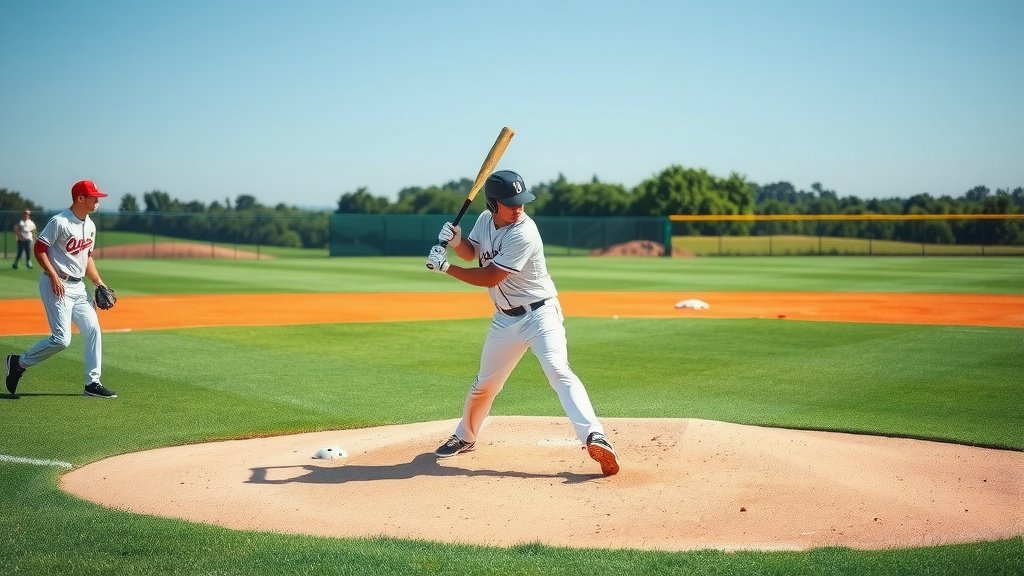
Baseball Positions Explained: The 9 Players
Baseball has nine defensive positions, each with a specific job to do on the field. These players work together to prevent the opposing team from scoring. You’ll find them strategically placed around the diamond and outfield. Understanding these roles is key to appreciating the game. Each position is unique.
From the pitcher and catcher to the infielders and outfielders, every player plays a vital part. Their responsibilities range from throwing and catching to fielding ground balls and chasing down fly balls. Knowing where everyone stands helps you follow the action. We’ve looked into what makes each of these nine positions important.
- Pitcher: Throws the ball to the batter.
- Catcher: Squats behind home plate.
- First Baseman: Covers first base.
- Second Baseman: Covers second base.
- Third Baseman: Covers third base.
- Shortstop: Plays between second and third base.
- Left Fielder: Covers the left side of the outfield.
- Center Fielder: Covers the middle of the outfield.
- Right Fielder: Covers the right side of the outfield.
Let’s break down what each of these nine positions means and what they do on the baseball field. You’ll get a clear picture of the whole team’s setup.
“`htmlUnderstanding the Nine Positions on a Baseball Field
Each of the nine positions in baseball has a distinct role. These players create a defensive unit. Their goal is to stop the other team from scoring runs. You’ll see them positioned throughout the infield and outfield.
The Battery: Pitcher and Catcher
Let’s start with the two most active players on defense. They are often called the “battery.” These two players have a lot of communication.
The Pitcher: The Ace of the Defense
The pitcher is arguably the most important defensive player. They stand on the pitcher’s mound. Their primary job is to throw the ball to the batter. It’s a tough job requiring skill and precision. A good pitcher can throw many different types of pitches. They might throw fastballs, curveballs, or sliders. Control is just as important as speed. The pitcher also needs to be ready to field batted balls. They must be aware of runners on base.
The Catcher: The Field General
The catcher squats behind home plate. They are the only player wearing protective gear. This includes a mask, chest protector, and shin guards. The catcher’s job is to receive pitches. They signal to the pitcher what kind of pitch to throw. This communication is vital. They also need to block wild pitches. This prevents runners from advancing. Catchers often call the game. They have a good view of the entire field. Many experts say the catcher is like a coach on the field (Baseball America).
The Infielders: The Hot Corner and Beyond
The infield is the area within the four bases. Four players cover this crucial zone. They handle ground balls and line drives.
First Baseman: The Reach Master
The first baseman primarily covers first base. They need to be tall and have a good reach. Their job is to catch throws from other infielders. This often happens with runners trying to beat out a throw. They also field ground balls hit to them. They might scoop up a bad throw from the pitcher. A good first baseman has a large target for their teammates. They prevent many close plays from becoming hits.
Second Baseman: The Pocket Protector
The second baseman plays between first and second base. This is a busy position. They handle a lot of ground balls. They also cover second base on certain plays. This includes plays where a runner is stealing. They are key to turning double plays. A double play is when two outs are made on one play. This position requires quick reflexes. Good agility is a must here. Second basemen are key to turning double plays, a skill explained in our guide.
Third Baseman: The Hot Corner Guardian
The third baseman is often called the “hot corner.” This is because hard-hit balls often come their way. They must have a strong arm. They need to react quickly to line drives. Third basemen are responsible for plays at third base. They also need to be ready to field bunts. A bunt is when the batter lightly taps the ball. This player is often one of the best fielders on the team. Many players in this position are excellent athletes.
Shortstop: The Leader of the Infield
The shortstop plays between second and third base. This is one of the most demanding positions. They cover a lot of ground. Shortstops need to be athletic and have great range. They handle many ground balls and line drives. They are also crucial for turning double plays. They often make the long throw to first base. Research shows that shortstops are often among the best overall defenders (The Fielding Bible). They must have strong arms and good decision-making skills.
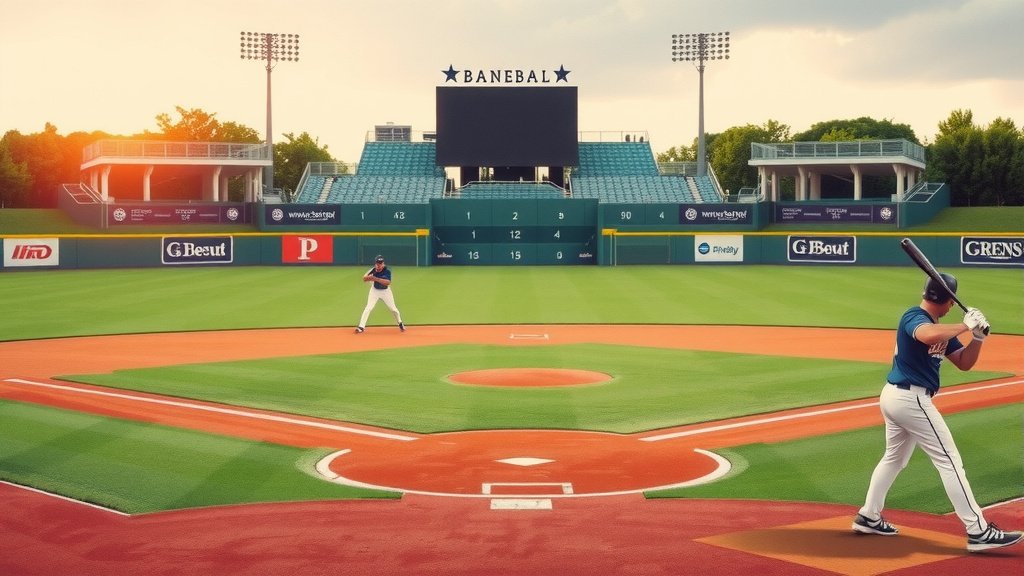
The Outfielders: Covering the Great Green Expanse
The outfield consists of the large grassy area beyond the infield. Three players patrol this space. They chase down fly balls and line drives.
Left Fielder: The Left Side Sentinel
The left fielder covers the left side of the outfield. This area is from foul territory to center field. They need good speed to chase down fly balls. They also need a strong arm. This is important for throwing runners out at home plate. They must know when to play shallow or deep. This depends on the batter. A good left fielder can prevent extra-base hits.
Center Fielder: The Deep Defender
The center fielder covers the middle of the outfield. This is often the deepest part of the field. They need exceptional speed and range. Center fielders are often considered the leaders of the outfield. They communicate with the left and right fielders. They call for fly balls they want to catch. They must be able to track down long fly balls. Many center fielders are excellent athletes with great instincts. They are like the quarterback of the outfield.
Right Fielder: The Right Side Ranger
The right fielder covers the right side of the outfield. This area is from center field to the right foul line. Like the other outfielders, they need speed. They also need a good arm. Right fielders often face right-handed batters. These batters tend to hit the ball to right field. They must be ready for line drives and deep fly balls. They also help back up the infield on ground balls.
Understanding these nine positions helps you appreciate the strategy. Each player has a role to play. They work together as a team. Their coordination is what makes baseball exciting to watch.
Key Defensive Skills Checklist
- Can you field ground balls cleanly?
- Can you catch fly balls before they bounce?
- Do you have a strong and accurate throwing arm?
- Can you react quickly to unexpected plays?
- Do you communicate well with your teammates?
- Do you understand where to position yourself on any given play?
Conclusion
You’ve now seen how the nine defensive positions in baseball form a coordinated unit. From the pitcher’s mound to the outfield fences, each player has a vital role. Understanding the unique responsibilities of the battery, infielders, and outfielders brings a deeper appreciation for the game. You can now follow the action with more confidence. Next time you watch a game, pay close attention to how these players work together. You’ll see the strategy unfold before your eyes.
Frequently Asked Questions
Which baseball position is the most important?
While the pitcher often gets the most attention due to their direct involvement with every batter, all nine positions are essential for effective defense. A strong defense relies on the combined effort and communication of every player. Research suggests that a team’s overall defensive success is a collective achievement, not dependent on one individual.
What’s the difference between an infielder and an outfielder?
Infielders are positioned within the four bases and are primarily responsible for fielding ground balls and line drives hit in that area. Outfielders, on the other hand, cover the large grassy areas beyond the infield and are tasked with catching fly balls and preventing extra-base hits. They generally have more open space to cover.
Why is the third baseman called the “hot corner”?
The third baseman is nicknamed the “hot corner” because hard-hit balls often travel at high speeds towards that area of the infield. This position requires exceptional reflexes and a strong arm to react quickly and make plays. Many players here are considered elite athletes due to the demands of the position.
How do the catcher and pitcher work together?
The catcher and pitcher form the “battery” and have a close working relationship. The catcher signals pitches to the pitcher, helps direct the defense, and receives every throw. They are in constant communication to strategize against batters. This partnership is foundational to a team’s pitching success.
Are all outfielders expected to do the same thing?
While all outfielders aim to catch fly balls and prevent hits, their specific responsibilities can vary. The center fielder often acts as the leader, calling for balls in their vicinity. Left and right fielders have areas they primarily patrol but must also communicate and adjust based on batted balls and the strengths of opposing hitters.