Baseball Positions Explained: Every Role on the Field
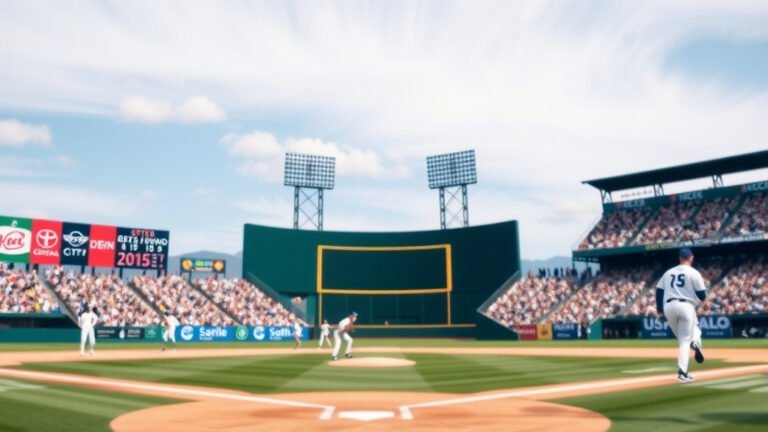
Baseball has nine defensive positions on the field, plus offensive roles. These positions are categorized into pitchers, catchers, infielders, and outfielders. Each player has a specific job and location to help their team score runs and prevent the other team from scoring. Understanding these roles is key to enjoying the game.
Knowing the players’ positions helps you follow the action. You’ll see how each player contributes to the team’s strategy. From the pitcher throwing the ball to the outfielders catching fly balls, every position matters. It’s like a well-oiled machine when everyone does their part.
- Pitcher
- Catcher
- First Baseman
- Second Baseman
- Third Baseman
- Shortstop
- Left Fielder
- Center Fielder
- Right Fielder
Let’s break down each position so you can tell your infielders from your outfielders with confidence. You’ll be a baseball expert in no time!
Understanding the Nine Positions in Baseball
Baseball might seem simple with its bases and bats. But there’s a lot more going on! You have nine players on defense, each with a very specific job. We’re going to walk through each of them. Understanding their roles will totally change how you watch the game.
The Pitcher and Catcher: The Battery
These two players are often called “the battery.” They work together on almost every single play. Think of them as the quarterback and center of a football team. They are that important!
The Pitcher: The Arm of the Defense
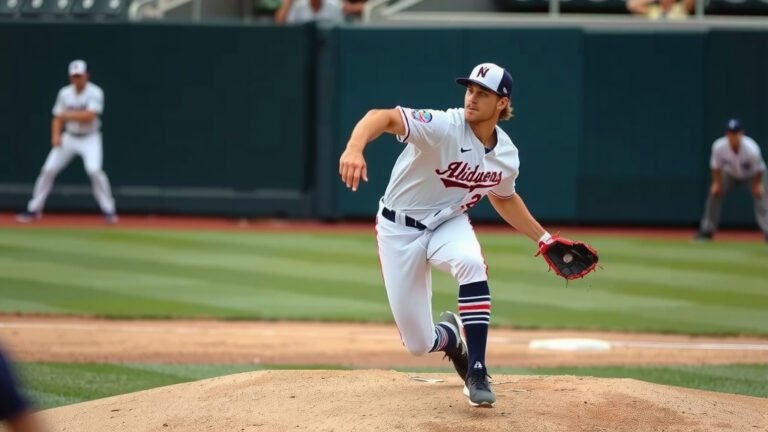
The pitcher’s job is to throw the ball to the batter. They try to get the batter out. This could be by striking them out or making them hit the ball weakly. It’s a tough job. Pitchers need a strong arm and great control.
They have a variety of pitches. Fastballs, curveballs, and changeups are common. Each pitch is designed to fool the hitter. Research shows that a pitcher’s accuracy is just as important as their speed (Baseball Prospectus).
Pitchers also need to be good athletes. They might have to field a ball hit back to them. They must also be aware of runners on base. A good pitcher can really shut down an opponent’s offense.
The Catcher: The Field General
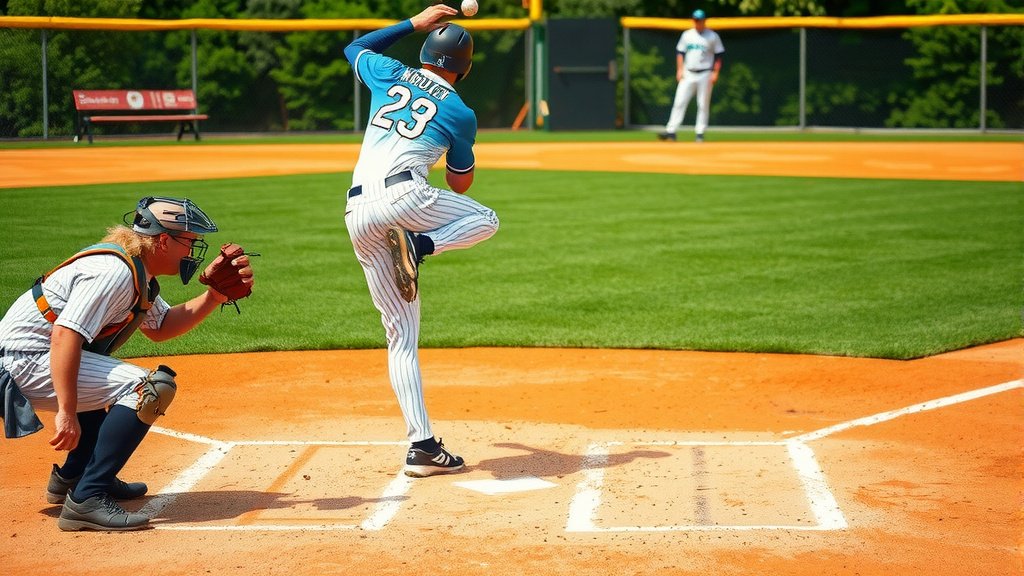
The catcher is like the coach on the field. They squat behind home plate. They catch every pitch thrown by their pitcher. They also call the game, signaling what pitch to throw. It’s a lot of responsibility.
Catchers wear a lot of protective gear. This includes a mask, chest protector, and shin guards. That’s because they are in the line of fire! They need to block wild pitches. They also try to throw out runners stealing bases.
Catchers need strong arms and quick reflexes. They must also have a good understanding of the game. Many experts say a great catcher can shave runs off a team’s ERA (Earned Run Average) just by their game calling (MLB.com).
The Infielders: The Close Defenders
The infield is the area of the diamond. It’s where the action is hottest. These players are responsible for stopping ground balls and pop flies. They also make quick plays to get runners out.
First Baseman (1B)
The first baseman plays near first base. Their main job is to catch throws from other infielders. They then tag the runner or step on first base for an out. They are the last line of defense for a ground ball hit to the right side.
First basemen often have to stretch to catch the ball. This is called making a “pick.” They need good hands. They also need to be tall and have a long reach. Think of them as the anchor for many infield plays.
Second Baseman (2B)
The second baseman covers second base. They often work with the shortstop. They handle ground balls hit up the middle. They are also involved in turning double plays. This is where you get two outs on one play. They are also involved in turning double plays.
This position requires quickness and agility. Second basemen need to be able to move side-to-side very fast. They also have to throw accurately. Many great plays involve a second baseman snagging a tough grounder and making a strong throw to first.
Shortstop (SS)
The shortstop plays between second and third base. This is considered one of the toughest infield positions. They have to cover a lot of ground. They field a lot of hard-hit balls.
Shortstops need excellent range and a strong arm. They are often involved in the most difficult plays. They must make split-second decisions. Many consider the shortstop to be the most important defensive player after the pitcher and catcher.
Third Baseman (3B)
The third baseman plays near third base. They are often called the “hot corner.” This is because hard-hit ground balls come their way very quickly. They need fast reflexes and good hands.
Third basemen also need to be good at bunting. They must be able to react to bunts and throw runners out. Their strong arm is vital for throwing across the diamond to first base.
The Outfielders: The Deep Defenders
The outfielders play in the large grassy area beyond the infield. They are responsible for catching fly balls. They also field balls hit into the gaps. Their job is to prevent extra-base hits and home runs.
Left Fielder (LF)
The left fielder covers the area to the left of center field. They handle balls hit down the left field line. They also back up plays at third base. Sometimes they have to throw runners out at home plate.
Center Fielder (CF)
The center fielder plays in the deepest part of the outfield. They cover the most ground. They are responsible for the most territory. This position often requires great speed and strong throwing ability.
Center fielders must be able to track down fly balls hit to either gap. They often direct traffic for the left and right fielders. Many believe the center fielder is the most athletic of the outfielders (The Athletic).
Right Fielder (RF)
The right fielder covers the area to the right of center field. They handle balls hit down the right field line. They also back up plays at first base. They often have a strong throwing arm for plays at the plate.
Key Defensive Skills Checklist
Here’s a quick rundown of what makes a great defensive player at any position:
- Glove Work: Soft hands and the ability to catch the ball cleanly.
- Arm Strength: The ability to throw the ball accurately and with power.
- Range: The speed and agility to get to balls hit far away.
- Fielding Fundamentals: Proper footwork and body positioning.
- Game IQ: Understanding situations and making smart decisions.
- Communication: Talking to teammates to avoid collisions and make plays.
Conclusion
You’ve now got a solid understanding of baseball’s nine defensive positions. You know the pitcher and catcher work as a team. You’ve seen how the infielders guard the diamond. And you understand the outfielders’ role in protecting the deep parts of the park. Each player has a vital part. This knowledge will help you appreciate the game’s strategy and flow. Next time you watch, try to identify each player’s role. See how their actions contribute to the overall defense. You’re ready to follow the action like a pro!
Frequently Asked Questions
Besides the nine fielders, are there other offensive positions?
Yes, while baseball has nine defensive players on the field, the offensive side involves batters and base runners. The pitcher and catcher also take turns batting unless they are in leagues with designated hitters. Every player in the lineup gets a chance to hit.
Can a player play more than one position?
Absolutely! Many baseball players are skilled enough to play multiple positions. Utility players are specifically valued for their versatility. Being able to fill in at different spots is a great asset to any team.
Which position is considered the hardest to play in baseball?
While all positions require skill, the shortstop is often called the toughest. This player covers a large area between second and third base. They need excellent range, a strong arm, and quick reflexes to field difficult ground balls.
What is a “designated hitter” (DH)?
A designated hitter is a player who bats instead of the pitcher. This rule is used in some leagues, like the American League. It allows teams to put a stronger hitter in the lineup without sacrificing pitching depth.
Do outfielders need to communicate with each other?
Yes, communication is key for outfielders. They need to call for balls hit into open spaces. This prevents collisions and ensures the ball is caught cleanly. The center fielder often directs the other outfielders.