
What Is a Switch Hitter? A Baseball Player’s Guide
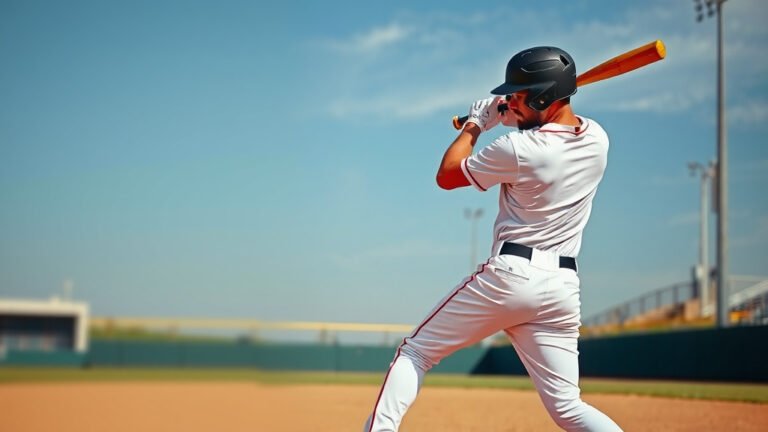
A switch hitter in baseball is a batter who can Understanding how fast pitchers throw can help explain why a switch hitter’s advantage is so significant.hit effectively from both sides of home plate. They can bat left-handed or right-handed, giving them a strategic advantage. This versatility makes them a difficult opponent for pitchers.
Why is this ability so important? Well, pitchers often have strengths against batters of a certain handedness. A switch hitter can choose the side that best matches up against the pitcher. This means they can often get a better angle and a more favorable outcome at bat.
- A switch hitter bats from both sides of the plate.
- They can choose to hit left-handed or right-handed.
- This offers a strategic advantage against pitchers.
- It can lead to better matchups for the batter.
Ready to learn more about these talented players? Let’s walk through exactly why being a switch hitter is such a big deal in baseball.
“`htmlWhy Hitting from Both Sides Matters in Baseball
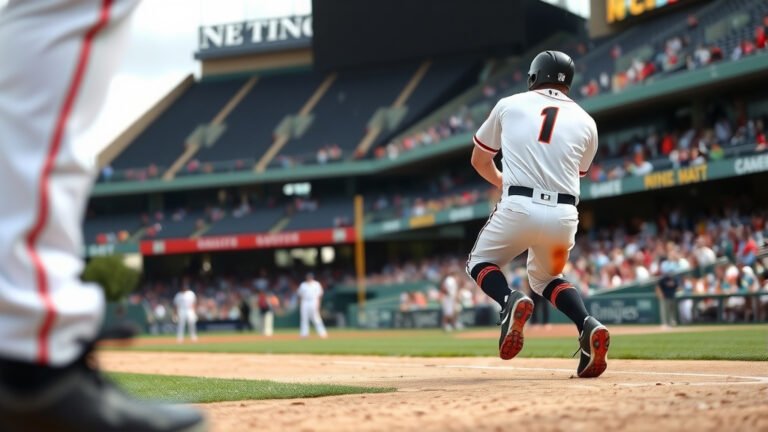
You’ve probably seen them: players who seem to magically switch their stance at home plate. These are the switch hitters, and their ability to hit from both the left and right side of the batter’s box is a true strategic weapon in baseball.
Why is this so effective? Pitchers are often more comfortable throwing to batters of a certain handedness. A pitcher who throws right-handed might struggle against a left-handed batter, and vice-versa. A switch hitter can exploit this weakness by choosing the side that presents the least favorable matchup for the pitcher on any given at-bat.
The Mechanics of Switch Hitting
Switch hitting isn’t just about standing on both sides of the plate. It requires a unique set of skills and extensive practice. These athletes must master two distinct batting stances, swings, and approaches to the ball. It’s like being fluent in two different languages, but for baseball.
Learning the Swing: A Double Challenge
Imagine learning to write with both your dominant and non-dominant hand with equal skill. That’s a bit like what a switch hitter goes through. They need to develop a powerful and accurate swing from the left side, and then do it all over again from the right side.
This means dedicating countless hours to practice. They work with coaches to refine their mechanics for each side. The goal is to have two effective swings, not just one that’s decent from both sides. This commitment shows the dedication required for switch hitting.
Footwork and Stance Adjustments
Beyond the swing itself, the footwork and stance are critical. A batter’s front side needs to be adjusted depending on whether they are hitting left-handed or right-handed. This involves slight differences in foot placement and weight distribution.
For instance, a batter hitting left-handed will have their right foot forward. When they switch to hit right-handed, their left foot becomes the front foot. These subtle shifts need to be automatic and efficient. They allow the hitter to generate maximum power and bat speed.
The Strategic Advantage for a Switch Hitter
The primary benefit of being a switch hitter is the built-in matchup advantage. It’s a constant chess match between the batter and the pitcher. The batter gets to decide which piece to move based on the pitcher’s strengths and weaknesses.
Exploiting Pitcher Tendencies
Pitchers often have different results against left-handed versus right-handed batters. Many pitchers are more effective against same-handed hitters. This is known as having “the platoon advantage.” For example, a right-handed pitcher might overpower most right-handed batters.
However, that same right-handed pitcher might have more trouble with left-handed batters. This is where the switch hitter shines. If the pitcher is right-handed and struggling against lefties, the switch hitter will step into the box ready to swing from the left side. It’s a calculated move designed to increase the odds of success.
The “Platoon Advantage” Explained
Baseball analysts often discuss the “platoon advantage.” This refers to the statistical tendency for batters to perform better against pitchers of the opposite handedness. Research from sources like Baseball-Reference.com shows consistent trends here.
For instance, data often reveals that left-handed batters tend to hit better against right-handed pitchers. Conversely, right-handed batters often perform better against left-handed pitchers. A switch hitter essentially has the ability to choose their preferred side of this advantage.
Mental Warfare and Pitcher Uncertainty
Switch hitting also introduces a mental element. Pitchers and their coaches have to prepare for both possibilities. They might have scouting reports on how the hitter performs from each side. But even with preparation, there’s an added layer of uncertainty.
A pitcher needs to be adaptable. They can’t just rely on their “go-to” pitch if they know the batter can switch sides. This can disrupt their rhythm and concentration. It forces them to think more and can lead to mistakes.
Switch Hitting: A Rare and Respected Skill
While switch hitting offers a significant advantage, it’s not an easy skill to master. The number of switch hitters in professional baseball is relatively small compared to the total number of players. This rarity makes those who can do it even more impressive and valuable.
The Dedication to Dual Proficiency
Becoming a proficient switch hitter requires an extraordinary level of commitment. Players must dedicate almost double the practice time to their swings. They need to develop equal comfort and skill from both sides of the plate.
Many players try switch hitting but find the demands too great. They might excel from one side but never achieve true effectiveness from the other. It’s a testament to the athleticism and mental fortitude required.
Notable Switch Hitters in Baseball History
Baseball history is filled with legendary switch hitters who used their unique skill to dominate the game. Players like Mickey Mantle, Eddie Murray, Chipper Jones, and Pete Rose are celebrated for their ability to hit from both sides.
These athletes often had long and successful careers. Their versatility made them consistently dangerous at the plate. They are often considered among the greatest players of all time. Their impact on the game is undeniable.
Is Switch Hitting a Natural Talent or Learned Skill?
The development of switch hitting is a fascinating topic. While some players may have a natural inclination, research suggests it’s overwhelmingly a skill honed through hard work. Many players who bat right-handed naturally might be taught to switch hit if they show potential.
Coaches often identify players with good bat speed and hand-eye coordination. They then work to develop the opposite-handed swing. It’s a process that emphasizes repetition and biomechanical adjustments. The ability to switch hit is largely a product of dedicated training.
The Impact on the Game Today
In modern baseball, the strategic advantage of switch hitting remains highly relevant. Teams constantly seek players who can provide that versatility. The ability to disrupt pitcher matchups is a key factor in building a winning lineup.
While the game evolves, the fundamental benefit of hitting from both sides of the plate is timeless. It requires a special kind of player, one who is willing to embrace a double challenge for a significant reward.
Quick Checklist for Switch Hitting Success
- Mastering two distinct swings.
- Developing balanced footwork from both sides.
- Understanding pitcher tendencies.
- Practicing consistently from each side.
- Building mental adaptability.
- Maintaining physical conditioning for dual demands.
Conclusion
You’ve learned that being a switch hitter is a powerful strategic advantage in baseball. It’s about mastering two distinct swings and using them to your benefit against different pitchers. This skill requires immense dedication, practice, and mental toughness, setting these players apart. By understanding this unique talent, you can better appreciate the chess match happening at home plate. Ready to spot your next favorite switch hitter? Pay attention to how they adjust their stance based on the pitcher’s arm.
Frequently Asked Questions
Are most baseball players switch hitters?
No, most baseball players are not switch hitters. It’s a relatively rare skill that requires extensive training and natural aptitude. While many players start out as switch hitters, most eventually specialize in batting from one side.
Can any player become a switch hitter?
While anyone can learn to swing from the opposite side, becoming an effective switch hitter is challenging. It requires significant dedication to practice both swings equally well. Many players find it too difficult to achieve proficiency from both sides.
What is the main advantage of switch hitting?
The main advantage is the matchup advantage against pitchers. A switch hitter can choose to bat from the side that statistically gives them a better chance against a right-handed or left-handed pitcher, disrupting the pitcher’s comfort zone.
Do switch hitters hit better from one side?
Most switch hitters do have a preferred side where they feel more comfortable and powerful. However, their ability to switch means they can still be effective from their non-dominant side, especially when the matchup calls for it.
Are switch hitters common in modern baseball?
While not as common as players who hit from one side, switch hitters are still a key part of modern baseball strategy. Teams value their versatility and ability to exploit pitcher matchups, making them valuable assets.