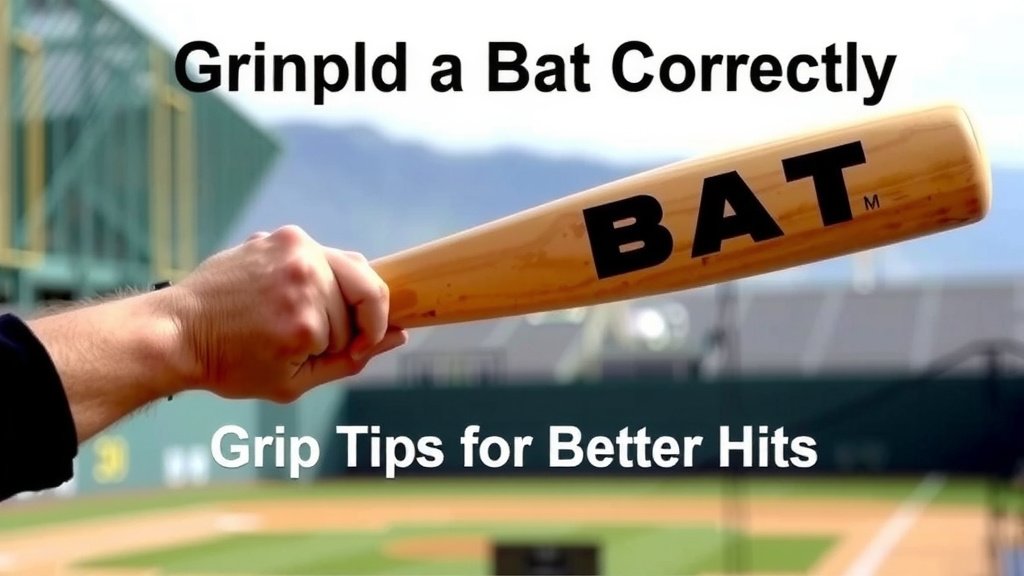
How to Hold a Bat Correctly: Grip Tips for Better Hits
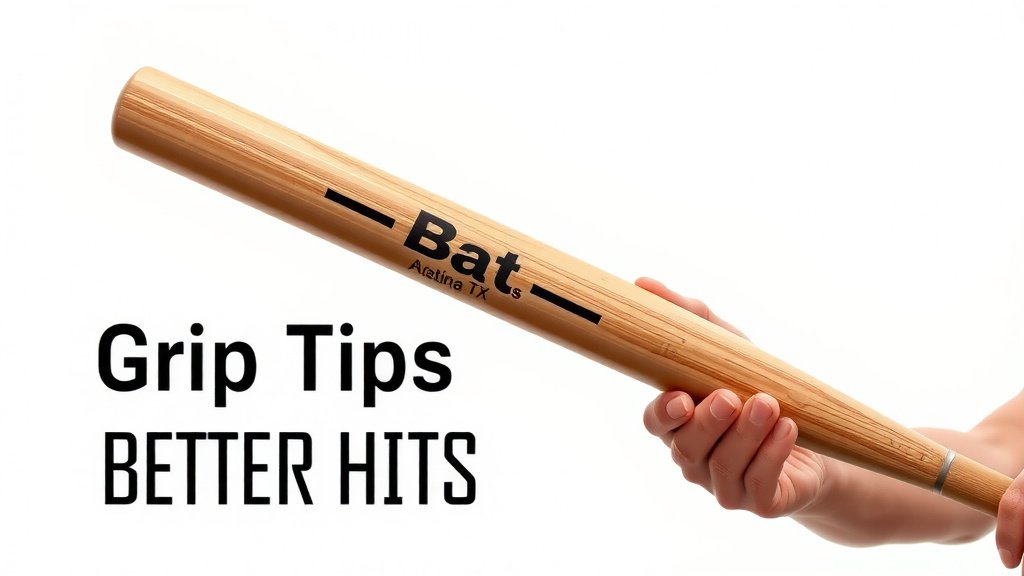
To hold a bat correctly, grip it with your bottom hand near the knob and line up your middle knuckles with your top hand. Keep your fingers wrapped around the handle, not resting in your palms. Relax your grip—squeezing too hard kills your swing speed.
Many experts say a relaxed, proper grip is one of the fastest ways to improve your bat control and power. And it works the same whether you’re holding a baseball bat, softball bat, or even a cricket bat. When we researched what pro hitting coaches teach beginners, finger placement came up every single time.
- Grip the bat with your fingers, not your palms.
- Line up your middle knuckles on both hands.
- Keep your grip loose and relaxed.
- Rest the bat on your back shoulder while waiting on a pitch.
- Practice your grip before you ever worry about swing mechanics.
Below, we walk you through exactly how to hold a bat step by step, plus the most common grip mistakes we found—and how to fix them fast.
Gripping a Bat Step by Step
Getting your grip right takes about two minutes once you know the steps. We broke it down the way most hitting coaches teach it at their first lesson. Follow along with a bat in your hands if you can.
Step 1: Pick Up the Bat With Your Bottom Hand
Start by grabbing the handle with your non-dominant hand. If you bat right-handed, that’s your left hand. Slide that hand down so the knob sits at the base of your fingers, near the bottom of your palm’s edge.
Why the fingers and not the palm? Simple. Your fingers move faster and with more freedom. Coaches we researched compare a palm grip to trying to write with a fist around the pencil.
Step 2: Bring Your Top Hand Up
Now place your dominant hand directly above the bottom hand. Both hands should touch, or come very close to touching. No gaps, no overlapping pinkies.
Here’s the trick most beginners miss: line up your middle knuckles. Look down at your hands. The middle knuckles of both hands should form a rough, slightly angled row.
How to Check Your Knuckle Alignment
Hold the bat out in front of you and glance down. If you see your first knuckles lined up instead, don’t panic. Slide your top hand slightly and re-grip. It takes a few tries before it feels normal.
Step 3: Keep Your Grip Loose
Squeeze the bat like you’re holding a small bird. Firm enough it won’t fly away, gentle enough you don’t hurt it. That’s the classic coaching line, and honestly, it works.
Many experts say tension in your hands travels up your arms and slows your swing down (Cleveland Clinic notes relaxed muscles respond faster than tense ones). A loose grip equals a quicker bat.
Step 4: Set Your Stance and Rest the Bat
Once your grip feels good, bring the bat back and rest it lightly on your back shoulder. This saves your arm strength during a long at-bat and keeps your hands in a good launch position.
Common Bat Grip Mistakes to Avoid
We found that most grip problems fall into a handful of buckets. Here’s what to watch for, and why each one hurts your swing.
Gripping in the Palms Instead of the Fingers
This is the number one mistake, according to just about every coaching resource we checked. A palm grip locks your wrists and robs you of batspeed. Fix it by sliding the handle down to the base of your fingers.
Squeezing Too Hard
Death grips are sneaky. You don’t even notice you’re doing it until your hands ache after a game. If your forearms feel tight by the third inning, that’s your clue. Try loosening your fingers between pitches.
Misaligned Knuckles
When your knuckles don’t line up, your wrists can’t roll over naturally through the swing. That means late contact and weak grounders. Re-check your alignment before every at-bat until it becomes second nature.
Hands Positioned Too Far Apart
Splitting your hands wide feels powerful, but it shortens your swing arc and slows your bat. Keep your hands together for better range and control.
Grip Styles You’ll Hear About at the Ballpark
Not every player lines up middle knuckles, and that’s okay. Here’s a quick comparison of the three common grip styles coaches talk about.
| Grip Style | Knuckle Alignment | Best For |
|---|---|---|
| Neutral grip | Middle knuckles lined up | Most beginners; balanced power and control |
| Strong grip | Top hand rotated slightly back | Players who struggle with power |
| Weak grip | Knuckles turned too far forward | Rarely recommended; usually a mistake |
If you’re just starting out, stick with the neutral grip. You can experiment later once your swing has a foundation.
Does Your Grip Change for Baseball vs. Softball?
Short answer: not really. The finger-based grip works for both. Softball bats are often a bit lighter, and some players choke up slightly for better control, but the hand placement stays the same. Cricket bats differ a bit more in hand position, but the “fingers, not palms” rule still applies.
How Grip Strength Affects Your Swing
Here’s something we found interesting: research on athletes shows that grip strength connects to overall upper-body performance (NIH studies on hand-grip strength and athletic measures support this). But bigger forearms won’t fix a bad grip technique.
Think of it like this. Grip strength is the engine. Grip technique is the steering wheel. You need both, but a strong engine with bad steering just drives you into the fence faster.
Simple Exercises to Build Bat-Friendly Grip Strength
You don’t need a fancy gym. Many trainers recommend these easy options:
- Squeeze a stress ball or hand gripper for a few minutes daily.
- Hang from a pull-up bar for as long as you can.
- Carry groceries or dumbbells in each hand (farmer’s carries).
- Play wrist-and-forearm games like racquet sports.
Even light training helps. Studies published through NCBI suggest grip strength naturally declines with age, so keeping your hands active pays off at any level.
Quick Pre-Swing Grip Checklist
Before you step in the box, run through this fast list. It takes ten seconds.
- Knob resting at the base of your bottom-hand fingers.
- Both hands together, no gaps.
- Middle knuckles roughly lined up.
- Grip pressure relaxed, like holding that little bird.
- Wrists loose and ready to fire.
- Bat resting lightly on your back shoulder.
How Long Until a Good Grip Feels Natural?
Most players we looked into report it takes about two to three weeks of regular practice before the neutral grip stops feeling weird. Muscle memory needs reps, so take dry swings in the backyard or garage a few times a week.
One tip that stuck with us from a youth coach’s forum: take ten slow practice grips before every practice session. Grip, check your knuckles, let go, repeat. Boring? A little. Effective? Absolutely.
When to Ask a Coach for Help
If your hands hurt, your bat keeps slipping, or your contact stays weak after a month of practice, get a second set of eyes. A coach can spot small issues—like grip pressure or hand placement—within one swing. Many community leagues offer cheap or free hitting clinics, so you don’t need private lessons to get solid feedback.
And remember, every big leaguer once fumbled with their knuckle alignment too. Keep working at it, and your hands will figure it out faster than you think.
Conclusion
Getting your grip right is the cheapest upgrade you’ll ever make to your swing. No new bat, no pricey lessons—just fingers on the handle, middle knuckles lined up, and a relaxed squeeze that lets your wrists do their job. We found that most hitting problems trace back to grip mistakes you can fix in a single practice session. So here’s your next step: grab a bat tonight, run through the four steps ten times, and check your knuckle alignment each rep. In a couple of weeks, it’ll feel like you’ve held a bat this way your whole life.
Frequently Asked Questions
Should I choke up on the bat?
Choking up moves your hands up the handle for more control and a quicker swing, especially when you’re facing fast pitching. It trades a little power for better contact. Younger players and two-strike situations are the most common times you’ll see it.
Where should the knob of the bat sit in my hand?
The knob should rest at the base of your fingers, right along the bottom edge of your palm. If it’s buried in the middle of your palm, you’re gripping in the wrong spot. Slide down until only the knob sticks out past your pinky-side edge.
Should I use batting gloves to improve my grip?
Batting gloves can help with blisters and reduce slipping on hot or sweaty days, but they won’t fix bad technique. Many players grip just fine with bare hands. If you use them, make sure they fit snug—bunched-up material actually hurts your feel for the handle.
How tight should my bottom hand be compared to my top hand?
Both hands should stay relaxed, but some coaches suggest the top hand tends to over-squeeze since it sits closest to the barrel. Keep pressure even across both hands. If one hand is white-knuckled while the other is loose, reset your grip before the pitch.
Can a wrong grip cause wrist or hand pain?
It can. Gripping in your palms or squeezing too hard puts extra strain on your wrists and forearms with every swing. If your hands ache after games, check your finger placement and pressure first before assuming something more serious is going on.