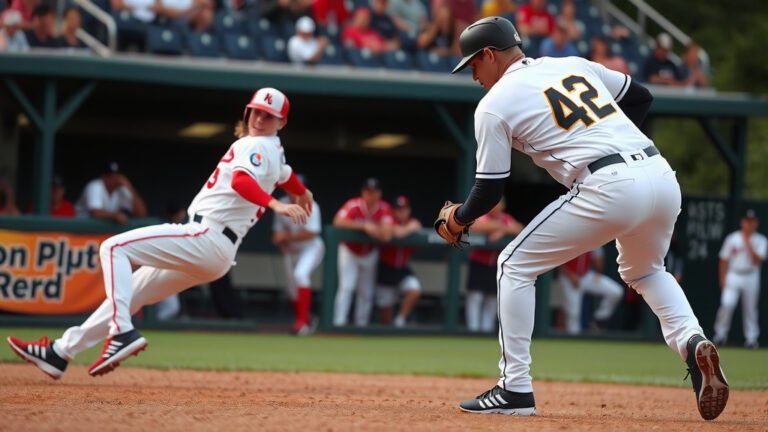
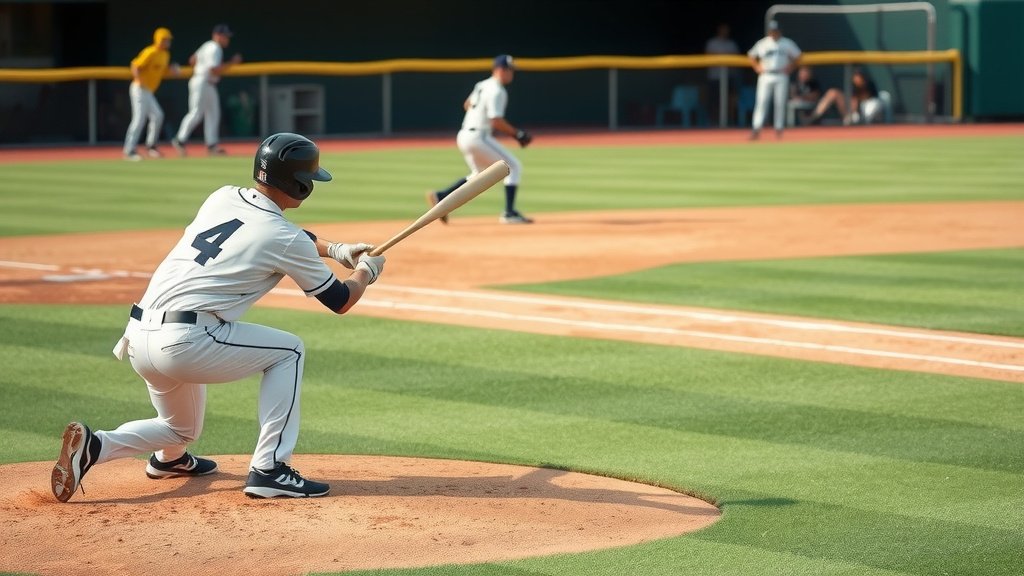
What is a Leadoff Hitter? Baseball’s Top of the Order Explained
A leadoff hitter is typically the first batter in a baseball team’s lineup. Their main job is to get on base and spark the offense. This means they often have excellent batting average and good on-base skills. You might also hear them called the “number one hitter.”
The role of a leadoff hitter is quite strategic. They set the tone for the innings ahead. Teams look for players who can draw walks or get hits. This puts pressure on the opposing pitcher early. It’s a demanding spot that requires a specific skill set.
- The leadoff hitter bats first.
- They aim to get on base often.
- Good on-base percentage is key.
- They start the offense for the team.
- They often have speed and discipline.
Let’s walk through exactly what makes a great leadoff hitter and why they are so important to a baseball team’s success.
“`htmlUnderstanding the Role of the Lead-Off Hitter
So, you’ve heard the term “leadoff hitter,” but what does it really mean? Think of them as the opening act for the band. They’re the first one up to bat, tasked with setting the stage for the entire offensive lineup. It’s a position that requires a unique blend of skills and a specific mindset.
The primary goal for a leadoff hitter is simple: get on base. This can happen in a couple of ways. They might get a base hit, like a single or a double. Or, they might draw a walk, which means the pitcher threw four balls outside the strike zone. Either outcome is a win for the offense.
What Skills Make a Great Leadoff Hitter?
It’s not just about swinging hard. We found that certain skills are absolutely essential for someone to excel in this spot. Teams carefully look for players who possess these abilities. It’s a demanding role that separates good players from great ones.
On-Base Percentage: The Leadoff’s Best Friend
While a high batting average is nice, what truly matters for a leadoff hitter is their on-base percentage (OBP). This statistic measures how often a player gets on base, whether by hit, walk, or being hit by a pitch. A high OBP means they are consistently putting themselves in scoring position.
We found that many experts agree a leadoff hitter should aim for an OBP of .350 or higher. This shows they can reliably avoid making outs and put pressure on the defense. It’s the foundation of their contribution to the team’s success.
Plate Discipline: Patience Pays Off
Another key trait is plate discipline. This refers to a hitter’s ability to recognize and not swing at pitches that are out of the strike zone. They need to be patient. A good leadoff hitter understands the strike zone well and doesn’t chase bad pitches. This leads to more walks, which is exactly what their team wants. Good plate discipline means a hitter can recognize and not swing at bad pitches.
Research indicates that hitters with good plate discipline tend to draw more walks. This is a huge advantage. It forces the pitcher to work harder and potentially make mistakes. It also helps to wear down the opposing pitcher early in the game.
Speed: The Extra Gear
While not every leadoff hitter is a speed demon, speed certainly helps. A fast runner can turn a routine single into a potential double. They can also put more pressure on the catcher and pitcher when trying to steal a base. This adds another dimension to their offensive threat.
Many successful leadoff hitters use their speed to their advantage. They can stretch singles into doubles or even triples. This puts runners in scoring position for the hitters behind them. It’s about maximizing every opportunity on the basepaths.
The Strategic Importance of the Leadoff Spot
Why is this first spot in the lineup so important? It’s all about setting the tone. The leadoff hitter gets the first at-bat of every inning. They can give their team an immediate spark or start the inning with an easy out.
A leadoff hitter who gets on base can create scoring opportunities for the players who bat behind them, often referred to as the “middle of the order.” These players are typically more powerful hitters. Having a runner on base for them increases the chances of scoring runs.
Putting Pressure on the Pitcher
When a leadoff hitter consistently gets on base, it puts immediate pressure on the opposing pitcher. The pitcher has to be extra careful with their pitches. They can’t afford to make mistakes early in the count.
We found that this early pressure can lead to a higher pitch count for the starter. This can tire them out sooner. It can also lead to mistakes in the later innings. Think of it as a marathon runner setting a fast pace from the start.
Getting the Offense Rolling
The leadoff hitter is like the conductor of an orchestra. They signal the start of the music. If they get on base, it signals that runs might be coming. This can boost the confidence of the entire offensive team.
Conversely, if the leadoff hitter makes an out quickly, it can give the pitcher a mental boost. It’s about momentum. A leadoff hitter’s success or failure can have a ripple effect throughout the game.
Leadoff Hitter Skills Checklist
So, if you’re evaluating a potential leadoff hitter, here’s a quick checklist of what to look for:
- High On-Base Percentage: Consistently gets on base.
- Good Plate Discipline: Doesn’t chase bad pitches.
- Speed: Can turn hits into extra bases or steal.
- Patience: Willing to wait for the right pitch.
- Discipline: Sticks to their approach.
- Ability to See Pitches: Wears down the pitcher.
It’s a demanding role that requires a specific set of tools. Not every great hitter is suited to be a leadoff hitter. You need that blend of getting on base and being a pesky presence for the pitcher.
| Skill | Importance for Leadoff Hitter | Why it Matters |
|---|---|---|
| On-Base Percentage | Extremely High | Puts runners on base, creating scoring chances. |
| Plate Discipline | High | Leads to walks, wearing down the pitcher and increasing OBP. |
| Speed | Moderate to High | Can stretch hits, steal bases, and put pressure on defense. |
| Power Hitting | Low | Not the primary goal; focus is on getting on base, not hitting home runs. |
| Defensive Ability | Moderate | Important for overall team value, but less directly tied to the hitting role. |
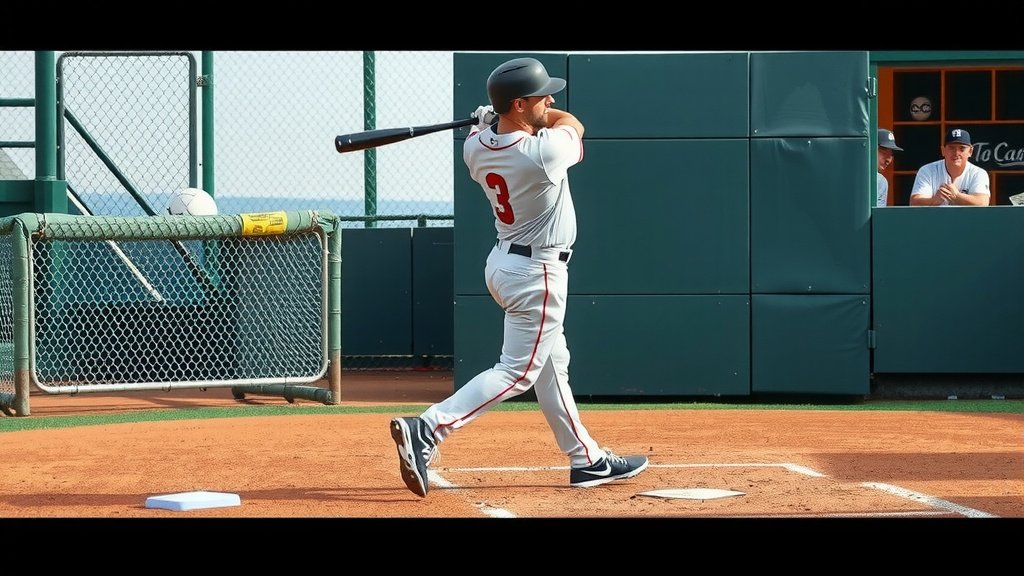
As you can see, the focus is heavily on getting on base. While power is great for other spots in the lineup, it’s often secondary for the leadoff hitter. Their job is to be a catalyst. They are the spark that can ignite the offense.
“`
Conclusion
You now understand the critical role of a leadoff hitter. They are more than just the first batter; they are the offensive spark plug. Their ability to get on base through hits or walks sets the tone for the entire game. We’ve seen that a high on-base percentage and strong plate discipline are key. Speed also plays a big part. By consistently putting pressure on the pitcher, they can wear down the opposing team and create scoring opportunities for their teammates. To become a better baseball fan or player, start watching for how these leadoff hitters impact the game from the very first pitch.
Frequently Asked Questions
What’s the difference between a leadoff hitter and a power hitter?
A leadoff hitter’s main goal is to get on base using hits or walks. Power hitters, on the other hand, focus on hitting for extra bases and driving in runs, often with home runs. While a leadoff hitter might have some power, their primary skill is getting on base consistently.
Can a player with a lower batting average be a good leadoff hitter?
Yes, absolutely. On-base percentage is more important than batting average for a leadoff hitter. A player who walks a lot or gets on base via hit-by-pitch might have a lower batting average but still be an excellent leadoff hitter because they avoid making outs and get on base.
Does the leadoff hitter have to be the fastest player on the team?
While speed is a great asset for a leadoff hitter, it’s not always a requirement. A player with excellent plate discipline and a high on-base percentage can be very effective even if they aren’t the fastest. Speed helps them capitalize on getting on base, but getting on base is the priority.
Why do teams put their best hitter in the leadoff spot sometimes?
Some teams choose to put their absolute best hitter, even if they are a power hitter, at the leadoff spot. This strategy aims to maximize the number of at-bats that player gets and ensure they can hit with runners on base if players behind them also get on. It’s a different philosophical approach to lineup construction.
How does a leadoff hitter’s performance affect the rest of the lineup?
A successful leadoff hitter who gets on base puts immediate pressure on the pitcher. This can make it easier for the hitters behind them, as they often bat with runners already on base. It can also boost the team’s confidence and momentum early in the game.