
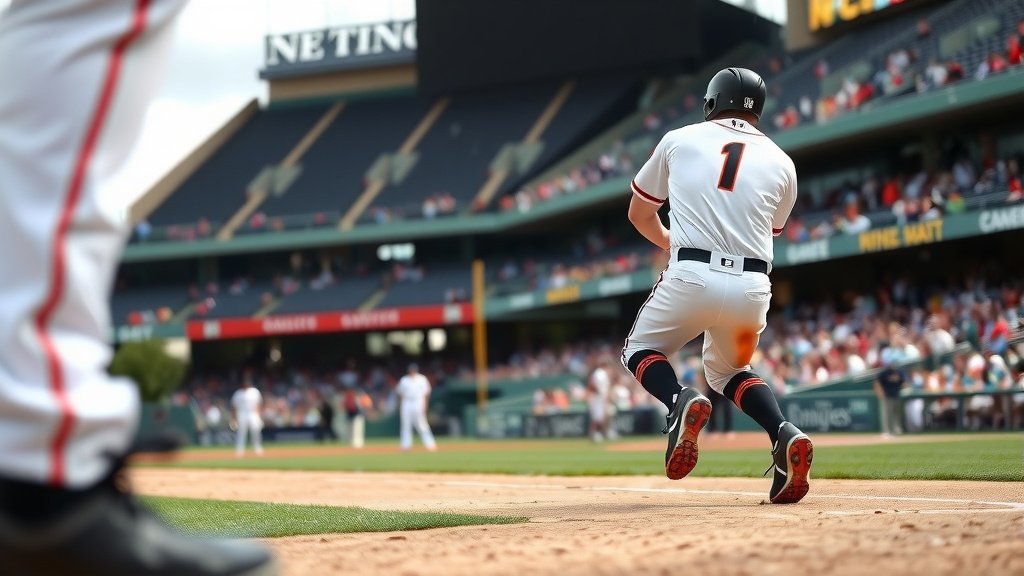
Understanding the Walk-Off Win in Baseball
A walk-off win is when the home team takes the lead in the bottom of the final inning, ending the game immediately. It’s an instant victory that happens when the score is tied or the visiting team is ahead. This thrilling moment means the game is over the second the winning run scores.
It’s a fan-favorite way to end a baseball or softball game. Imagine the crowd erupting! This type of win doesn’t just happen by chance; it requires a specific set of circumstances on the scoreboard. Understanding when a game can end this way adds an extra layer of excitement to watching sports.
- A walk-off win ends a game instantly.
- It happens when the home team scores the winning run in their last turn at bat.
- The visiting team doesn’t get another chance to respond.
- It’s common in baseball and softball.
We’ve found that the best way to truly appreciate this dramatic conclusion is to understand the rules and scenarios that allow it. Let’s break down exactly what makes a walk-off win so special.
You’ve probably seen it on TV or experienced it at a game yourself. The crowd goes wild! Players mob the field. It’s a moment of pure, unadulterated joy for one team and crushing disappointment for the other. But what exactly makes a game end like that?
Understanding How a Game Ends Victoriously for the Home Team
A walk-off win is a specific type of victory. It happens only when the home team scores the winning run. This occurs in the bottom of the last scheduled inning. That means the game is over the moment the lead is secured. The visiting team doesn’t get another chance to bat. It’s a thrilling conclusion that caps off a great performance by the home squad.
The Mechanics of a Walk-Off: When It Can Happen
For a walk-off to occur, certain conditions must be met. The most important rule is that it must happen in the home team’s final at-bat. This is typically the bottom of the ninth inning in professional baseball. In leagues with shorter games, it might be the bottom of the seventh. The score needs to be tied or the visiting team must be ahead.
If the home team is already winning when their turn to bat comes around, the game simply ends. They wouldn’t need to bat again. That’s why the situation must be either tied or a deficit for the home team for a walk-off to be possible. The drama builds because the pressure is on the home team to deliver.
Walk-Offs in Tied Games
When the score is tied entering the bottom of the final inning, the tension is palpable. The home team steps up to the plate. Their goal is simple: score one run to win. Any run scored by the home team in this situation will end the game. A single, a double, a home run – it all leads to the same outcome. The crowd’s energy amplifies with every pitch.
Walk-Offs When the Home Team is Behind
This is where the most dramatic walk-offs happen. The home team is trailing by one or more runs. They come to bat in their final inning, needing to score to keep playing or to tie. If they manage to score enough runs to take the lead, the game ends instantly. Imagine being down by two runs and hitting a bases-loaded home run to win by one! That’s the stuff of legends.
The “Walk-Off” Term: Where Did It Come From?
The term “walk-off” itself is pretty descriptive. It means the winning players literally walk off the field of play because the game is over. They don’t need to wait for the inning to finish or for the third out. They just head back to the dugout and celebrate. This is unlike any other way a game can conclude.
Think about other sports. In basketball, a game ends when the buzzer sounds, regardless of who has the ball. In football, the game clock usually expires. But in baseball, the game can end mid-action. It’s a unique rule that leads to these spectacular finishes. It’s almost like the game is saying, “Okay, that’s enough excitement for one day!”
Illustrating the Scenario: A Simple Example
Let’s paint a picture. It’s the bottom of the ninth inning. The score is tied 3-3. The home team’s lead-off hitter comes up. They hit a clean single into right field. The next batter hits a double, sending the runner to third base. The crowd is on its feet. The next batter draws a walk, loading the bases. Now, with the bases loaded, the cleanup hitter gets a pitch they like and drives it to the outfield. The runner from third scores! A walk-off can be achieved through various hits, including when a player hits a double.
Boom! Game over. The batter might not even run to first base if it’s a clear hit. The rest of the team rushes the field to celebrate their hero. That’s your classic walk-off. The visiting team, perhaps dejected, walks off the mound and heads to their clubhouse. The winning team is already celebrating.
When is it NOT a Walk-Off Win?
It’s important to distinguish a walk-off from other game-ending scenarios. A walk-off is exclusively a home team victory secured in their last at-bat. Here are a few situations that are *not* walk-offs:
- The visiting team takes the lead in the top of the ninth, and the home team fails to score in the bottom of the ninth. The visiting team wins, but it’s not a walk-off.
- The home team is already leading when they come up to bat in the bottom of the ninth. They could score more runs, but the game technically ends when the third out is made in the top of the ninth.
- A game ends due to weather or darkness before the home team has had their chance to bat in the final scheduled inning. The outcome would be determined by the score at that point, but it wouldn’t be a walk-off.
The Impact of a Walk-Off on the Standings and Morale
A walk-off win does more than just add a “W” to the team’s record. It can have a huge psychological impact. For the winning team, it’s a massive morale booster. It shows they have grit and can come through in clutch situations. Players feel confident and energized after such a victory.
Conversely, for the losing team, a walk-off can be devastating. It’s a tough pill to swallow when you’ve played well for nine innings and lose on the final play. This feeling can linger. Many sports psychologists note that the way a team loses can be as impactful as how they win (Mayo Clinic). A walk-off loss can make it harder for a team to bounce back in their next game.
Walk-Offs in Different Leagues and Levels
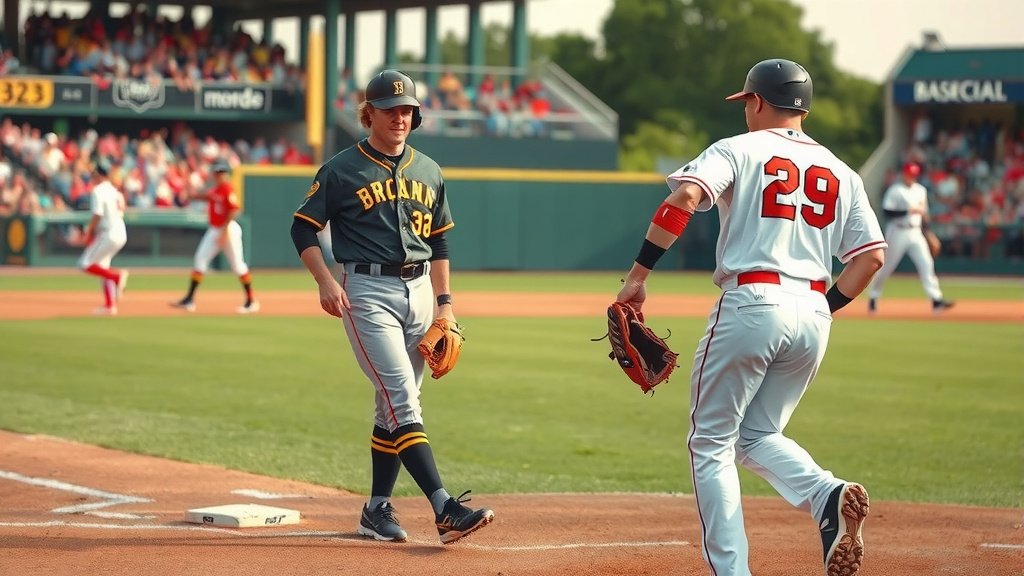
While we often associate walk-offs with Major League Baseball (MLB), they happen at all levels. You’ll see them in:
- Minor League Baseball: Just as exciting, often with passionate local crowds.
- College Baseball: Intense rivalries mean walk-offs are celebrated wildly.
- High School and Little League: These can be incredibly emotional for young players and their families.
- Softball: Both fastpitch and slowpitch softball have their own versions of walk-off wins. The “international tie-breaker” rule in some softball formats can lead to unique walk-off scenarios.
The rules might vary slightly, especially regarding extra innings, but the core concept remains the same: the home team secures the victory in their final turn at bat.
Key Elements for a Walk-Off Experience
What makes the walk-off experience so special for fans? We found several contributing factors:
- Sudden Victory: The game ends abruptly, leading to an explosion of emotion.
- Home Crowd Advantage: The energy of the fans plays a huge role.
- Clutch Performance: A player steps up and delivers under immense pressure.
- Team Effort: Often, multiple players contribute to setting up the winning run.
| Feature | Walk-Off Win | Regular Win |
|---|---|---|
| Home Team Batting Order | Bottom of the final scheduled inning | Doesn’t matter; game ends after required innings or by other means |
| Score Requirement | Tied or home team trailing | Home team leading at game’s end |
| Game Conclusion | Instantaneous upon scoring the winning run | After the final out or completion of scheduled innings |
| Visiting Team Response | No opportunity to retaliate | Has had their final chance to bat (or will have if home team is ahead) |
| Fan Reaction | Explosive celebration, often rushes the field | Celebration, but typically more subdued |
Checklist: What You Need for a Walk-Off
To wrap it up, here’s a quick rundown of what needs to happen for a walk-off:
- Home team is batting in the final scheduled inning.
- The score is tied or the home team is behind.
- The home team scores at least one run to take the lead.
- The game ends immediately after that go-ahead run scores.
- The visiting team does not get another turn at bat.
Conclusion
You now understand the magic behind a walk-off win! It’s more than just a victory; it’s a dramatic, game-ending moment fueled by home-field advantage and clutch play. We’ve seen how it requires the home team to score the winning run in their very last at-bat, leaving the visitors no chance to respond. This electrifying finish provides an unforgettable experience for fans and can significantly impact team morale. Ready to catch the excitement live? Your next game could be the one with a walk-off finish!
Frequently Asked Questions
Can a walk-off happen in extra innings?
Yes, a walk-off can happen in extra innings, but only if the home team is the one scoring the winning run. The rule remains that the game ends immediately when the home team takes the lead in their final turn at bat, even if that turn occurs in the 10th, 11th, or beyond.
What happens if the home team is already winning when they come up to bat in the final inning?
If the home team is already ahead when their turn to bat comes in the final scheduled inning, the game simply ends after the third out is recorded in the top of that inning. They do not bat again, and therefore, a walk-off win cannot occur in this situation.
Does a walk-off only happen in baseball?
While most commonly associated with baseball, the concept of a walk-off win exists in other sports, particularly softball. The core idea of the home team securing victory in their last scheduled opportunity to play remains consistent, regardless of the specific sport.
What’s the difference between a walk-off and a regular game-ending play?
A walk-off win is an instantaneous victory where the home team takes the lead in their final at-bat, immediately ending the game. A regular game-ending play might involve the visiting team securing a lead that the home team can’t overcome, or the home team simply finishing the game with a lead after completing their final at-bat without needing to score the winning run.
Can a walk-off win be by more than one run?
Absolutely! A walk-off win occurs the moment the home team takes the lead. If they are down by two runs and hit a home run to go up by one, that’s a walk-off. If they are down by two runs and hit a grand slam to go up by two, that’s also a walk-off, as the winning run scored, and the game ended.