
How to Choke Up on a Bat for Better Control
Choking up on a bat means gripping it higher up the handle, away from the knob. You should choke up on the bat to gain **more control** and **improve your bat speed**, especially when you need to make contact. This adjustment helps you manage the bat better in different situations, like when there are fewer than two strikes or when you’re facing a tough pitcher. It’s a simple but **effective hitting strategy**.
Adjusting your grip on the bat like this can really change how you approach the plate. Many players find it helps them to **hit the ball more consistently**. When you choke up, you’re essentially shortening the lever. This makes the bat feel lighter and easier to swing faster. We found this technique is often taught to younger players but is useful at all levels. It’s about **making smarter adjustments** at the right moment.
- Choking up means gripping the bat higher on the handle.
- It gives you better bat control and increases bat speed.
- This adjustment is useful for making consistent contact.
- It’s often used when you have fewer than two strikes.
Let’s walk through exactly how and why you might want to choke up on the bat, and how to do it effectively.
You’ve got the basics down: choking up means moving your hands higher on the bat. It’s a simple shift, but it can make a big difference in your game. Think of it like adjusting the steering wheel in your car. A small change can give you a lot more control. Let’s dive into how and why you’d want to make this adjustment at the plate.
Mastering Your Bat Grip: The Art of Choking Up
This technique is all about gaining an **advantage** at the plate. It helps you become a more versatile hitter. When you adjust your grip, you’re changing the leverage and balance of the bat. This isn’t just for beginners, either. We’ve seen many professional players use this strategy.
Why Choke Up? The Benefits Explained
So, what’s the big deal with moving your hands? Primarily, it gives you **more control** over the bat. Imagine trying to swing a baseball bat like a full-sized lumberjack. It’s heavy and hard to manage. Now, imagine swinging a shorter, lighter stick. It’s much easier, right?
Gaining Superior Bat Control
When you choke up, you effectively shorten the bat. This makes the bat feel lighter. A lighter bat is easier to swing with precision. You can make **better contact** with the ball. This is especially helpful when you’re trying to put the ball in play. It reduces the chance of a swing and miss. Many coaches agree this is key for developing good hitting habits.
Boosting Your Bat Speed
You might think shortening the bat would slow you down. But research and common practice suggest otherwise. Because the bat feels lighter, you can generate more **bat speed**. This is because your hands can whip the bat through the zone quicker. Faster bat speed can lead to harder hit balls. It’s a bit like a fencer’s épée versus a broadsword. The lighter, quicker weapon allows for faster movements.
Improving Your Plate Discipline
Choking up can also help you with your approach at the plate. When you have two strikes, you often need to protect the plate. This means making contact is more important than hitting a home run. Choking up makes it easier to swing at pitches in the strike zone. You’re less likely to chase bad pitches. This leads to more consistent at-bats. It helps you focus on simply getting on base.
When to Consider Choking Up on the Bat
This adjustment isn’t for every single swing. But there are specific times when it really shines. Knowing when to use it is as important as knowing how to do it. Think of it as a strategic tool in your hitting toolbox.
The Two-Strike Situation
This is perhaps the most common time to choke up. When you have two strikes, your goal shifts. You need to avoid striking out. Choking up makes it easier to make contact. You can still hit the ball hard. But you gain that extra bit of control to protect the plate. Many players report feeling more confident in these situations.
Facing Tough Pitchers
Some pitchers throw very hard. Others have tricky movement on their pitches. When you’re facing a pitcher who overwhelms you with speed or movement, choking up can help. It gives you a better chance to see the ball longer. It also allows you to react quicker to off-speed pitches. You can **adjust your swing** more effectively.
When You Need to Make Contact
Sometimes, the game situation calls for putting the ball in play. Maybe you need to advance a runner or avoid a double play. In these moments, choking up is a smart choice. It increases your odds of making contact. You’re not trying to hit a homer; you’re trying to move runners or get a hit.
Younger Players Developing Skills
For younger hitters, choking up is often a fundamental teaching tool. It helps them learn to control the bat. It improves their hand-eye coordination. They can develop better swing mechanics. As they grow and get stronger, they can gradually move their hands down the bat. This allows them to gain more power later.
How to Actually Choke Up on the Bat: A Step-by-Step Guide
Now that you know the ‘why,’ let’s get to the ‘how.’ It’s straightforward, but a little detail makes a big difference. Follow these steps to adjust your grip correctly.
Step 1: Identify Your New Grip Location
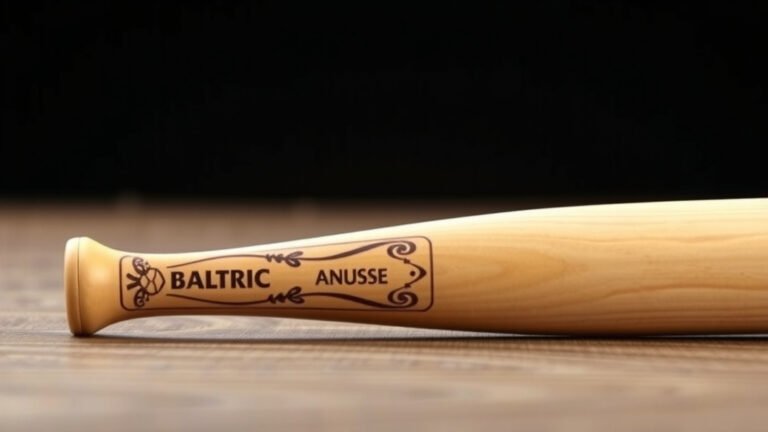
This is where you move your hands. Instead of gripping near the knob, slide your hands up the handle. How far up? A good starting point is about an inch or two above the knob. Some players go higher, maybe halfway up the textured part of the handle. Experiment to find what feels right for you.
Step 2: Adjust Your Stance and Swing
When you choke up, your whole approach might shift slightly. Because the bat is shorter, you might stand a little closer to the plate. You might also find that your swing path changes. You can be quicker to the ball. Make sure your stance still feels comfortable and balanced.
Step 3: Practice and Experiment
Like any new technique, practice is key. Go to the batting cage or do some soft toss. Try swinging with your normal grip, then try choking up. See how the bat feels. Pay attention to your bat speed and your contact. You’ll want to find the “sweet spot” for your grip.
Finding Your Personal Sweet Spot
There’s no single right answer for everyone. Some players might find success by moving their hands just a few inches up. Others might need to move them further. We found that talking to a coach can help. They can observe your swing and give specific advice. It’s about **finding what maximizes your control and power**.
Step 4: Consider Bat Weight and Length
For some players, especially those using a slightly heavier bat, choking up is almost essential. If you’re using a very light bat, you might not need to choke up as much. This adjustment is more impactful on heavier or longer bats. It brings the balance point closer to your hands.
A Quick Checklist for Choking Up
Here’s a handy checklist to remember when you’re thinking about choking up:
- Do you have two strikes?
- Are you facing a very fast pitcher?
- Do you need to put the ball in play?
- Does your current grip feel out of control?
- Are you looking to make more consistent contact?
- Does moving your hands up feel more comfortable?
When NOT to Choke Up: Understanding the Downsides
While choking up is useful, it’s not always the best move. It’s important to know when to avoid it. For instance, if your goal is to hit for power, choking up might reduce that ability. You lose some of the leverage that a full swing provides.
We found that many players who choke up consistently might sacrifice some of their raw power. If you’re a naturally strong hitter and the situation doesn’t demand contact over power, stick with your normal grip. Overusing this technique can also prevent you from developing the strength to handle a full swing. It’s a **balance** you need to find.
Think about it this way: when you’re playing a video game, you use different power-ups for different challenges. Choking up is one of those power-ups. You wouldn’t use the “super strength” power-up to solve a puzzle, right? You use the right tool for the job. Understanding these trade-offs will help you become a smarter hitter.

Conclusion
Mastering how to choke up on the bat is a smart move for any hitter. You’ve learned it’s all about gaining better bat control and increasing your bat speed. It’s your go-to strategy for making contact, especially with two strikes or against tough pitchers. Remember, practice is key to finding your perfect grip. Don’t be afraid to experiment at the batting cage to feel the difference. Start adjusting your grip today and watch your consistency improve at the plate.
Frequently Asked Questions
How much higher should I choke up on the bat?
There’s no single answer, as it depends on your personal comfort and bat. A good starting point is about one to two inches above the knob. We found that experimenting in the batting cage helps you find what feels best for your swing and offers the most control.
Will choking up make me lose all my power?
While choking up does reduce some leverage, which can slightly decrease raw power potential, it often leads to better contact and faster bat speed through the zone. For many players, this trade-off results in more effective hits overall, especially when the goal is to put the ball in play rather than hit a home run.
Should I change my stance when I choke up?
Yes, you might want to make slight adjustments. Because the bat effectively becomes shorter, you might feel more comfortable standing a little closer to home plate. Ensure your stance still feels balanced and allows you to get into a good hitting position.
Is choking up only for beginners or younger players?
Absolutely not. While it’s a great tool for young players learning bat control, many experienced and professional hitters use this strategy. We’ve seen it applied effectively in high-pressure situations by players at all levels of the game.
When is it definitely NOT a good idea to choke up?
You should avoid choking up if your primary goal is to hit for maximum power and you’re not facing a situation that demands contact (like two strikes or needing to advance a runner). Also, if you feel comfortable and in control with your full grip, and you’re not struggling with a particular pitcher or situation, stick with what’s working.