
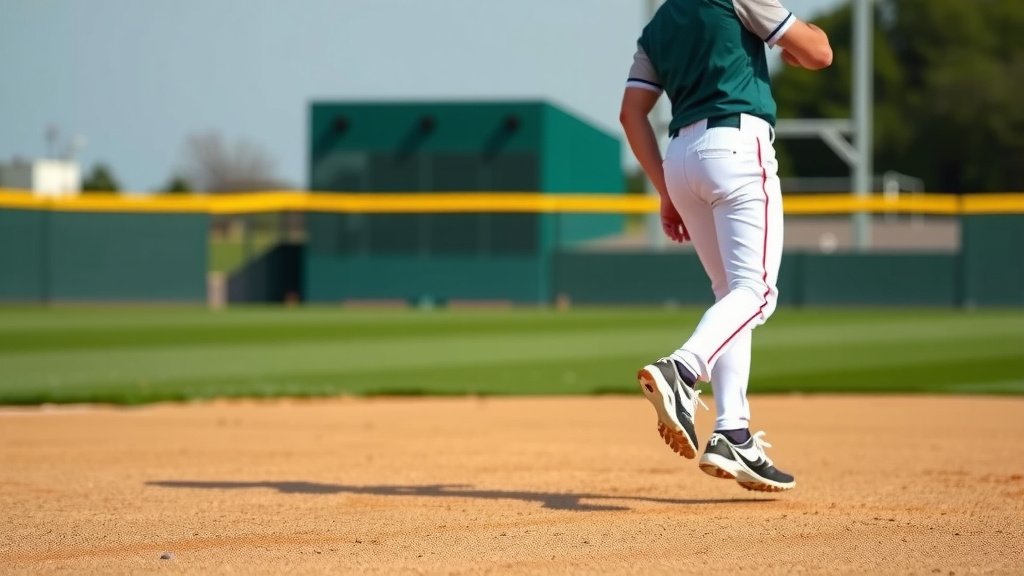
Master How to Run the Bases: A Baseball Guide
Running the bases in baseball or softball means advancing safely from one base to the next. You’ll do this after hitting the ball or when a teammate is at bat. The key is to **run hard** and **know the rules** to avoid getting out. Always be ready to advance when the situation allows.
Mastering base running can dramatically improve your team’s chances of scoring. It’s about being smart, aware, and fast on your feet. Understanding when to take an extra base or how to slide safely are **essential skills**. Good base runners are often the difference between a close game and a win.
- Know when to run (after a hit, walk, or sacrifice).
- Always run through first base on a ground ball.
- Learn to read the ball and the fielders.
- Understand the concept of “tagging up” on fly balls.
- Practice sliding techniques for safe and effective advancements.
Ready to turn those hits into runs? Let’s break down exactly how to run the bases like a pro.
Mastering Your Moves on the Base Paths
Running the bases is more than just sprinting. It’s a blend of speed, smarts, and instinct. You want to advance safely and help your team score runs. Let’s get you prepared to take on the base paths with confidence.
Getting Started: The Fundamentals of Base Running
The basic idea is simple: get to the next base safely. You’ll do this after your teammate hits the ball or when you’ve earned your way on base. The most important thing is to run hard. Don’t jog! Hustle all the way.
Running Through First Base
This is a critical rule, especially for batters. When you hit a ground ball, you must run through the first base bag. Don’t stop at the bag. Your momentum is your friend here. Running through the bag often shaves a fraction of a second off your time. This can be the difference between an out and a safe call.
We found that many players instinctively slow down as they approach first. This is a habit you want to break. Focus on reaching the bag and continuing your run a few steps past it. Then, you can look for any thrown ball.
Leading Off a Base
Once you’re on base, you can take a “lead.” This is a few steps taken away from the base toward the next one. It shortens the distance you need to run. A good lead allows you to advance on hits or on a wild pitch. However, you must always be aware of the fielders. They can still tag you out if you stray too far.
How big should your lead be? Many coaches suggest a lead of about 3-5 steps. This gives you enough ground to gain momentum. You also need to be able to return to the base safely if the pitcher throws the ball to you or a fielder gets close.
“Reading” the Pitcher and the Ball
Your success on the bases depends on your ability to read the game. Watch the pitcher closely. Where is the ball in their hand? Are they looking at you or the batter? This can tell you if they’re planning to pitch or try to pick you off.
When the ball is hit, your eyes should go to the ball first. Where did it go? How hard was it hit? Is it a fly ball or a grounder? This information dictates your next move. You need to be decisive.
Advancing Safely: Strategies and Situations
Now, let’s talk about moving from base to base. It’s not just about speed; it’s about knowing when and how to go.
On a Hit Ball
If your teammate hits the ball fair, you run. If it’s a ground ball hit in front of you, run hard for the next base. If it’s hit behind you, you might have time to advance further. If it’s a fly ball, this is where “tagging up” comes in.
Tagging Up on Fly Balls
When a ball is hit in the air and caught by an outfielder (or infielder), you cannot run until the fielder catches it. This is called “tagging up.” You must return to the base you are on and touch it. Then, as soon as the ball is caught, you run to the next base. Your goal is to advance if the catch is made deep enough.
Research shows that this play requires excellent timing. You need to be prepared to go the moment the ball is secured. Don’t leave the base too early, or you’ll be out. Don’t wait too long, or you’ll miss the chance to advance.
On a Walk or Hit by Pitch
If you get a walk or are hit by a pitch, you are awarded first base. You still need to run to first base. Once you reach it, you can then take a lead and try to advance on subsequent plays.
On a Wild Pitch or Passed Ball
A wild pitch or passed ball happens when the catcher can’t control the pitch. This is your chance! If you’re on base, you can try to advance to the next base. You must be aware of where the ball is and if it’s likely to be recovered by a fielder quickly.
We found that runners are often successful on these plays because the ball is not in a fielder’s glove. Be alert! If the ball gets away, go. Don’t hesitate.
Becoming a Smarter Base Runner
Being a good base runner involves more than just physical ability. It’s about using your brain.
Knowing the Signs
Coaches often give “hit and run” or “stolen base” signs. Pay attention! These signs tell you what to do. If you don’t understand a sign, ask your coach. It’s better to ask than to make a costly mistake. Many games are won or lost on smart base running decisions.
Understanding the Game Situation
Always know the score and how many outs there are. This impacts your decisions. With two outs, you might take a bigger risk. If you’re the winning run in a close game, you need to be more careful. You don’t want to get thrown out trying to stretch a single into a double when you’re the go-ahead run.
Being Aware of Fielders
Watch where the fielders are positioned. Are they playing in close or deep? This tells you if they are expecting a bunt or a fly ball. Also, keep an eye on the shortstop and second baseman. They are often the ones who will try to tag you out if you’re caught off base.

Sliding for Success (and Safety!)
Sliding is a technique to get into a base safely and to avoid a tag. There are a few common types of slides.
The Feet-First Slide
This is the most common slide. You slide feet first, trying to reach out and touch the base with your foot. The goal is to keep your body as low as possible. This makes you a smaller target for the fielder. Keep your hands up and away from the base.
The Head-First Slide
This slide is used to reach for the base with your hand. It can be effective, but it also carries more risk of injury. You’re diving forward, so you need to protect your head and neck. Many players prefer the feet-first slide for safety reasons. Always practice sliding in a controlled environment.
According to sports medicine guidelines, proper sliding technique can reduce the risk of ankle and knee injuries (American Academy of Orthopaedic Surgeons). Always practice these techniques without any defenders around first.
Your Base Running Checklist
Ready to put it all together? Here’s a quick checklist to keep in mind:
- Always run hard on the bases, no matter what.
- Run through first base on ground balls.
- Watch the pitcher and the ball closely.
- Know when to tag up on fly balls.
- Be aware of the score and number of outs.
- Practice your sliding techniques safely.
Conclusion
You’ve learned the essential steps to become a confident base runner. Remember to always run hard and stay aware of your surroundings. Understanding situations like tagging up or running through first base can make a big difference. By practicing your leads, reading the pitcher, and knowing when to slide, you’re well on your way to helping your team score more runs. Now, get out there and put these skills into action!
Frequently Asked Questions
What’s the biggest mistake new base runners make?
Often, new runners don’t run hard enough, especially through first base on a ground ball. They also tend to hesitate when opportunities arise, like on a wild pitch. Building the habit of hustling and being decisive is key.
How far can I lead off a base?
A good lead is typically about 3-5 steps. This gives you momentum to advance on a hit or a misplayed ball. However, you must be able to quickly return to the base if the pitcher attempts a pick-off.
When should I slide instead of running straight into the base?
You should consider sliding when you want to avoid a tag or when you’re trying to reach a base ahead of a close play, like stretching a single into a double. It can also help you stop more quickly at the base.
What is “tagging up” and why is it important?
Tagging up means returning to your current base and touching it after a fly ball is caught. You can then try to advance to the next base once the ball is caught. It’s important because you can’t leave your base until the ball is caught.
How can I get better at reading the pitcher?
Watch the pitcher’s movements before they release the ball. Are their eyes on you or the batter? Are they balking? Practice observing them during games and even during warm-ups. Paying attention to their body language can give you clues about their intentions.