How to Throw a Baseball with Backspin: Step-by-Step Guide
To throw a baseball with backspin, snap your wrist downward as you release the ball off your fingertips, keeping your middle and index fingers on top of the seams. That wrist snap makes the ball spin backward, which helps it travel truer and arrive cleaner to your target. Sound simple? It is, once you know what your wrist and fingers are actually doing.
Backspin matters more than most players think. Pitchers use it to make fastballs look like they rise, and infielders rely on it to make strong, accurate throws across the diamond. We researched what coaches and throwing experts recommend, and we found that proper finger placement, a full arm extension, and a loose wrist are the three things that separate a spinning throw from a wobbly one. Once your spin is true, our guide to throwing to second base shows where that footwork and release pay off.
- What backspin actually is (and why the ball spins backward)
- How to grip the ball with the right finger pressure
- The wrist and forearm motion that creates true spin
- Common mistakes that kill your backspin
- Simple drills you can practice at home or on the field
Below, we break down everything you need to know about throwing with backspin, step by step. Grab a ball, and let’s get that spin right.
Throwing a Baseball With Backspin: Step-by-Step
The best way to throw with backspin is to grip the ball across the seams, extend your arm fully toward the target, and snap your wrist down at release. Do these three things together, and the ball rolls off your fingertips the right way. Miss one, and you get that ugly, wobbly throw nobody wants to catch.
Think of it like snapping a towel. You don’t muscle a towel snap with your whole arm. You use a quick, loose flick. Your throwing motion works the same way, just with a bigger arm swing behind it.
Step 1: Get Your Grip Right
Everything starts with how the ball sits in your hand. We found that most backspin problems trace back to the grip, not the arm.
- Place your index and middle fingers across or just inside the two widest seams.
- Rest your thumb underneath for balance, like a shelf holding the ball up.
- Keep a gap between the ball and your palm. No palm contact at all.
- Hold it with light pressure, like you’re gripping an egg you plan to keep.
Why Fingertips Matter So Much
The ball leaves your hand off your fingertips last. That final touch decides the spin. If your palm or the base of your thumb touches the ball at release, you smother the spin. Coaches often say “throw the ball off your fingertips,” and many experts agree this is the single biggest fix for young throwers.
Finding the Seams Quickly
Practice finding the seams without looking. Spin the ball in your hand until your fingers land across the two wide seams. Infielders do this on the run, and you can too with a week or two of daily reps.
Step 2: Point Your Front Side at the Target
Your glove shoulder should point where you want the ball to go. Your feet should line up the same way. When your body aims correctly, your arm has an easy job.
If your chest flies open or your front foot drifts offline, your arm has to steer the ball back on its own. That steering kills spin. Ever tried threading a needle while riding a bike? Same idea.
Step 3: Extend Fully, Then Snap
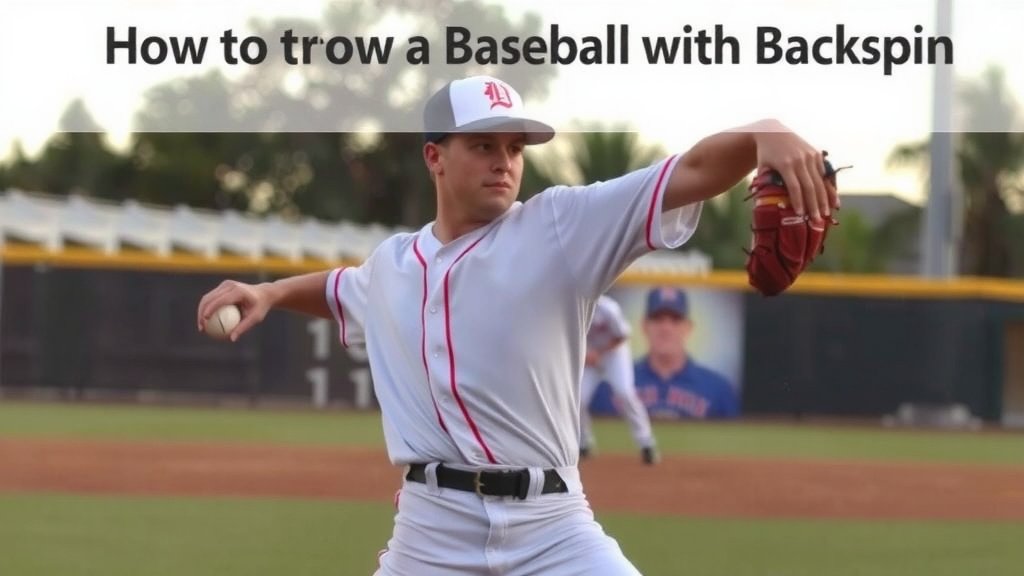
Here’s where backspin actually happens. Many throwing instructors describe release as a two-part motion: full arm extension first, then a quick wrist snap downward at the end.
- Drive your arm forward and let it get long toward the target.
- As your hand passes beside your ear, begin pulling your fingers down through the ball.
- Finish with your thumb pointed down and your hand pulled past your hip.
That downward pull across the top of the ball is what makes it spin backward. You’re basically rubbing the ball “down” instead of letting it slide out flat.
Step 4: Follow Through Like You Mean It
A good finish protects your arm and keeps your spin true. Let your throwing arm swing down and across your body after release. Your back foot should come up and step toward the target.
Stopping short is a common habit, and it robs you of both spin and accuracy. Physical therapists who work with throwing athletes often note that abrupt deceleration adds stress to the elbow and shoulder (Cleveland Clinic). Follow through. Your arm will thank you.
Mistakes That Kill Your Backspin
Now that you know the motion, let’s talk about what wrecks it. We found four repeat offenders in almost every throwing breakdown.
Gripping the Ball Too Tight
A death grip locks your wrist. A locked wrist can’t snap. If your forearm feels tense before you even start your throw, loosen up. Relax your hand until the ball almost feels like it might slip, then add just enough pressure to control it.
Short-Arming the Throw
Short-arming means your arm stops extending and the ball comes out early, close to your body. The result is side spin or knuckle-ball wobble instead of clean backspin. Full extension is non-negotiable if you want true spin.
Sidearm Release
Slinging the ball from the side puts spin on the wrong axis. You get sidespin, which makes the ball tail or cut instead of flying true. Keep your hand above the ball and behind it at release. Your elbow should be at or slightly above shoulder height, not hanging down.
Palm Drag at Release
This one is sneaky. The ball feels fine coming out, but your palm brushes it on the way. The fix? Focus on the fingertips doing the last thing. Some coaches have players hold the ball with a visible gap between palm and leather as a constant reminder.
Simple Drills to Build Backspin
Reading about spin is one thing. Feeling it is another. These drills are short, easy, and you can do most of them in your backyard.
Wrist Snap Drill
Stand about 10 feet from a wall or partner. Hold your elbow still at shoulder height and flick the ball using only your wrist and fingers. Watch the seams. If you see the red seams blur straight over the top, you’ve got backspin. Ten to fifteen flicks a day works wonders.
One-Knee Throwing Drill
Kneel on your back leg with your front leg bent, foot flat. Throw to a partner about 15 feet away. Taking your legs out of it forces your arm and wrist to do all the work, so any spin flaw shows up immediately. Many youth coaches consider this the best spin-feedback drill there is.
Long Toss for Feel
Once your close-range spin looks clean, back up. Long toss at 60 feet or more exaggerates everything. A good backspin throw carries flat and carries far. A bad one dies in the air. Your arm learns the difference quickly.
Quick Backspin Checklist
Before every throwing session, run through this list. It takes ten seconds.
- Fingers across the seams, palm off the ball
- Loose grip and a relaxed wrist
- Glove shoulder pointed at the target
- Full arm extension before release
- Wrist snaps down, fingertips finish last
- Full follow-through across your body
What Good Backspin Looks Like
How do you know it’s working? Watch the ball in flight. A well-spun throw looks like a single tight blur, almost like the seams disappear. A poorly spun throw wobbles, flutters, or shows sidespin as it travels.
Here’s a quick way to compare the four spin outcomes:
| Spin Type | What the Ball Does | Usual Cause |
|---|---|---|
| True backspin | Flies flat, carries far, arrives on time | Fingertip release, loose wrist |
| Sidespin | Tails or cuts sideways | Sidearm release angle |
| Wobble | Flutters and dances unpredictably | Poor grip, no consistent axis |
| Topspin | Drops quickly and dies short | Hand over the ball at release |
Ask a partner to watch from the side or film a few throws on your phone. Slow-motion video is honest in a way your feelings aren’t. What you think is a perfect snap often turns out to be a palm drag, and the camera never lies.
How Long Until It Feels Natural?
Most players start feeling real backspin within a week or two of daily short-range work. Building it into a full-speed throw takes longer, maybe a month of consistent reps. There’s no magic number, and that’s okay. Throwing is a skill, and skills reward patience.
One more thing worth saying: don’t chase backspin at the expense of a healthy arm. Warm up before hard throwing, and stop if your elbow or shoulder hurts. Medical groups like the Mayo Clinic stress proper warm-up and gradual throwing workloads for players of any age. Spin is great. A sore arm is not.
Start small today. Ten wrist snaps against a wall. Feel the fingertips finish. That’s where every great throw begins.
Conclusion
Throwing with backspin comes down to a few small habits done consistently. You grip the ball with your fingertips, keep your wrist loose, extend fully toward your target, and finish with a sharp snap downward. Then you let your follow-through carry the motion all the way through. None of it is complicated, but every piece matters, and skipping one usually shows up as a wobbly throw. We found that the players who improve fastest are the ones who work close range first and film themselves often. So grab a ball, find a wall, and do ten wrist snaps tonight. Your next throw across the diamond will feel noticeably different.
Frequently Asked Questions
Does backspin actually make a fastball rise?
Not really. The ball can’t fight gravity that much, but the spin keeps it dropping less than hitters expect. That difference is what makes pitches seem to jump or “rise” at the plate. It’s an illusion, but it’s a very real advantage.
Can young players learn to throw with backspin?
Absolutely, and it’s a great age to start. Young players often grip the ball with too many fingers or a locked wrist, so gentle corrections go a long way. A smaller or lighter ball can help smaller hands get a proper two-seam grip while they build the motion.
Should I snap my wrist hard or fast?
Fast matters more than hard. A tight, forceful snap actually tenses your forearm and slows the motion down. Think quick and relaxed, like flicking water off your fingers, and let the speed of your arm do the rest.
Does a four-seam or two-seam grip throw better backspin?
Both can work, but a four-seam grip across the two wide seams produces the cleanest, tightest spin for most throws. Two-seam grips tend to create a slight tilt, which is fine for movement pitches. For general throwing accuracy, stick with four seams.
Is backspin useful for pitchers, infielders, and outfielders alike?
Yes, though it serves each position a little differently. Pitchers use it to keep fastballs true, infielders use it to charge throws through the dirt, and outfielders use it to get more carry on long throws home. It’s one skill that pays off everywhere on the field.