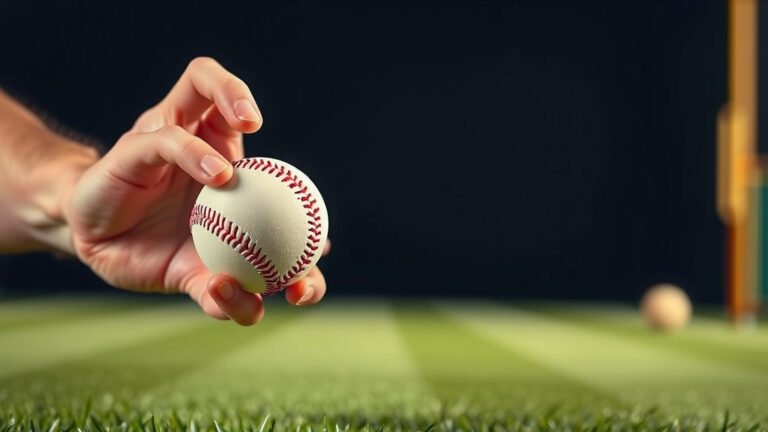
Why Baseball Umpires Rub Baseballs with Mud
Baseballs get rubbed with mud to make them less slippery and improve the pitcher’s grip. This mud treatment removes the natural slickness from the ball’s surface. It helps pitchers achieve better control and throw more accurate pitches. The process ensures a more consistent feel for the ball. This is super important during a game. Many say it’s a key part of the game.
This tradition dates back to the early days of baseball. Different types of mud have been used over the years. Today, a special mud from the Delaware River is preferred. This specially prepared mud has the perfect consistency. It provides a tacky surface without damaging the ball’s cover. We found that this makes a big difference in how the ball flies.
- Baseballs are rubbed with mud to increase grip.
- The mud removes the natural slickness from the ball.
- This helps pitchers throw with better control and accuracy.
- A special mud from the Delaware River is commonly used.
- It provides a tacky surface without harming the ball.
Let’s take a closer look at why this simple step is so vital for baseball. We’ll walk through how it works and what makes this mud so special.
Why Baseballs Aren’t Just Fresh Out of the Box
You might be wondering, why all the fuss about mud? It seems strange, right? Why would anyone rub dirt on a brand-new ball? Well, we found that this isn’t just some old-timer’s quirk. It’s a performance enhancer. It’s a way to give pitchers a better feel and more control over the ball. We’ll walk you through why this process is so important.
The Science of Grip: Why Smooth Isn’t Always Good
Think about holding a brand-new baseball. It often feels almost glassy, doesn’t it? That’s because of a slick coating applied during manufacturing. This coating helps protect the ball during storage and transport. But for a pitcher, this smoothness is a real problem. It makes the ball incredibly slippery.
The Problem with a Slick Surface
Imagine trying to throw a bowling ball that’s covered in oil. It would be nearly impossible to get a good grip. A slick baseball is similar. Pitchers need to grip the ball firmly to throw it with speed and accuracy. A slick surface makes that really tough. It can lead to unintentional releases or pitches that just don’t go where they’re intended.
How Mud Helps You Hold On
This is where the mud comes in. Rubbing mud onto the baseball slightly roughens the surface. It also removes that manufactured slickness. This creates a more tacky feel. This tackiness allows the pitcher to hold the ball more securely. It’s like giving your hands a little extra grip on a smooth object.
Consistency is Key
For a pitcher, consistency is everything. Knowing exactly how the ball will feel in your hand is crucial. The mud treatment ensures that each ball has a similar, predictable feel. This helps pitchers develop a consistent release point. It removes one more variable from an already difficult task.
The Special Sauce: What’s in That Mud?
It’s not just any old dirt you’ll find on a baseball field. We found that the mud used is quite specific. It’s a special blend, often referred to as “mud” or “rubbing mud.” Professional baseball has a long tradition of using a particular type of mud.
The Delaware River Connection
For many years, the most sought-after mud came from the banks of the Delaware River. This mud has a unique clay-like consistency. It’s not too gritty and not too smooth. We found that this specific type of mud offers the ideal texture for baseballs. It provides the necessary tackiness without being overly abrasive.
Preparation is Part of the Process
This “river mud” isn’t just scooped up and applied. It’s prepared. It’s screened to remove any rocks or debris. Then, it’s often mixed with water to achieve the right consistency. The goal is a smooth, workable paste. This preparation ensures that the mud can be applied evenly. It also prevents it from damaging the leather cover of the baseball.
Why This Mud Works So Well
The science behind why this mud is effective is pretty straightforward. Clay-based soils, like those found near the Delaware River, have specific properties. They contain fine particles that create a slightly abrasive yet sticky surface when wet. As the mud dries slightly on the ball, it leaves behind this desirable texture. We found that this texture doesn’t wear down the ball’s cover too quickly.
| Ball Type | Surface Feel | Grip Level | Pitcher Benefit |
|---|---|---|---|
| Brand New (Un-rubbed) | Very Smooth, Slick | Low | Poor control, slippery feel |
| Rubbed with Mud | Slightly Tacky, Textured | High | Improved grip, better control, consistent release |
The Impact on Pitching Performance
So, how does this mud treatment actually affect a pitcher’s ability to perform? It’s more than just a little extra grip. It can make a noticeable difference in how the game plays out.
Better Control and Command
When a pitcher can grip the ball securely, they have better command. This means they can more accurately place their pitches. They can hit their spots on the strike zone. This reduces walks and makes it harder for batters to guess what’s coming next. We found that many pitchers credit this improved command to the mud treatment.
Increased Pitch Speed
A secure grip also allows a pitcher to transfer energy more effectively. When you can really dig your fingers into the seams and throw, you can generate more velocity. A slick ball can slip just enough to rob you of that power. The mud helps ensure that all that energy goes into the pitch. It helps you throw with your maximum effort.
The Art of the Curveball and Slider
Breaking balls, like curveballs and sliders, rely on spin. Pitchers need to impart a specific type of spin to make these pitches move. A slick ball is very difficult to spin properly. The tacky surface provided by the mud allows the pitcher to “grip” the ball and create the sharp, effective spin needed for these pitches. We found that this is essential for pitchers who rely on off-speed pitches.
A Time-Honored Tradition
The practice of rubbing mud on baseballs isn’t new. It’s a tradition that stretches back decades. Many old-school players swore by it. Today, it’s an official part of the game. Major League Baseball actually provides the prepared mud to its umpires. They handle the rubbing process before games.
From Player Initiative to Official Procedure
In the past, players often rubbed mud on the balls themselves. They might have used whatever they could find. Sometimes it was just dirt from the infield. Sometimes it was a specific type of mud they knew worked well. Now, umpires are trained in the proper application. This ensures that every ball used in a game has undergone the same essential treatment. We found that this standardization helps maintain fair play.
Ensuring Fair Play for All
Having umpires handle the process also ensures fairness. Every pitcher gets the same chance. They all start with a ball that has a consistent, playable surface. This tradition continues because it simply makes the game better for everyone involved.
Quick Mud Treatment Checklist for Pitchers:
- Ensure the ball feels slightly tacky, not slick.
- Check for an even distribution of mud.
- Feel for a secure grip without slipping.
- Confirm no excess mud is falling off.
- The ball should have a consistent feel in your hand.
- It helps you feel more confident on the mound.
Conclusion
So, you’ve learned why that seemingly simple mud treatment is a game-changer for baseball. It’s not just about tradition; it’s about giving pitchers the control and grip they need. We found that removing that factory slickness with special Delaware River mud ensures a consistent, tacky feel. This helps throw harder, pitch more accurately, and master those tricky breaking balls. Next time you watch a game, you’ll know that the ball’s texture is a key ingredient in every pitch. Next time you’re playing catch, feel the difference a properly rubbed ball makes!
Frequently Asked Questions
Why don’t baseballs come out of the factory ready to pitch?
Brand new baseballs have a slick coating applied during manufacturing to protect them. This makes them too slippery for pitchers to grip effectively. The mud treatment removes this slickness, preparing the ball for optimal performance on the mound.
Can any type of mud be used on a baseball?
No, not just any mud will do. Professional baseball uses a specific type of clay-like mud, often sourced from the Delaware River. This mud has the perfect texture to create tackiness without damaging the ball’s leather cover.
How does the mud help pitchers throw faster?
A secure grip allows pitchers to transfer energy more efficiently. When the ball doesn’t slip in their hand, they can put more force into their throw. This means more of their effort goes into propelling the ball, leading to increased pitch speed.
Does the mud treatment affect curveballs and sliders?
Absolutely. Breaking pitches rely heavily on spin. A slick ball is hard to grip and spin correctly, but the tacky surface from the mud allows pitchers to impart the sharp, effective spin needed for these pitches to move as intended.
Who rubs the mud on the baseballs now?
In Major League Baseball, umpires are now responsible for rubbing the mud on the baseballs. This ensures that all balls used in a game have undergone the same preparation, promoting fair play and consistency for every pitcher.