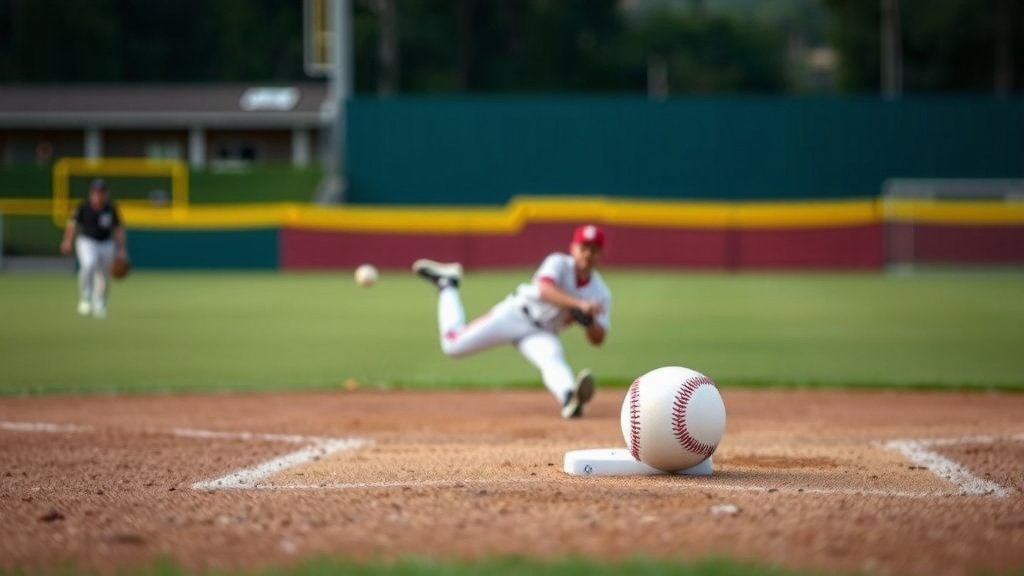
Mastering Baseball: A Beginner’s Guide to Playing the Game
Playing baseball is about understanding the fundamentals of hitting, fielding, and running the bases. You’ll need a bat, glove, and ball to get started. The game involves two teams trying to score runs by hitting a ball and advancing runners around a series of bases. It’s a game of strategy and skill that can be incredibly rewarding to learn and play.
Baseball has a rich history and a unique rhythm that many fans love. Beyond the basics, there are rules about innings, outs, and scoring that guide the game. Understanding these core elements will help you appreciate the sport even more. It’s more than just hitting and catching; it’s a dance between pitcher and batter.
- Baseball involves hitting, fielding, and base running.
- Two teams compete to score runs.
- You need a bat, glove, and ball.
- The game is structured into innings and outs.
- Strategy plays a big role in winning.
Let’s walk through exactly how this works step by step, so you can start playing your first game with confidence!
“`htmlGetting Started: The Basics of Playing Baseball
Baseball is a sport that’s both simple to grasp and endlessly fascinating. You’ll want to get familiar with the fundamental actions first. These include hitting the ball, fielding it, and running the bases. It all comes down to two teams taking turns trying to score points, called runs.
The Core Components of the Game
The game moves back and forth between the offense and the defense. The offense tries to score runs. The defense tries to prevent runs and get batters and runners out. A standard game is divided into nine innings. Each inning has two halves, where each team gets a chance to bat. You can think of it like trading places.
The Objective: Scoring Runs
Your main goal as an offensive player is to get around all four bases and cross home plate. This scores one run for your team. You do this by hitting the ball thrown by the pitcher and then advancing to first, second, third, and finally home base. The team with the most runs at the end of the game wins. It sounds straightforward, but there’s a lot of strategy involved!
The Field of Play
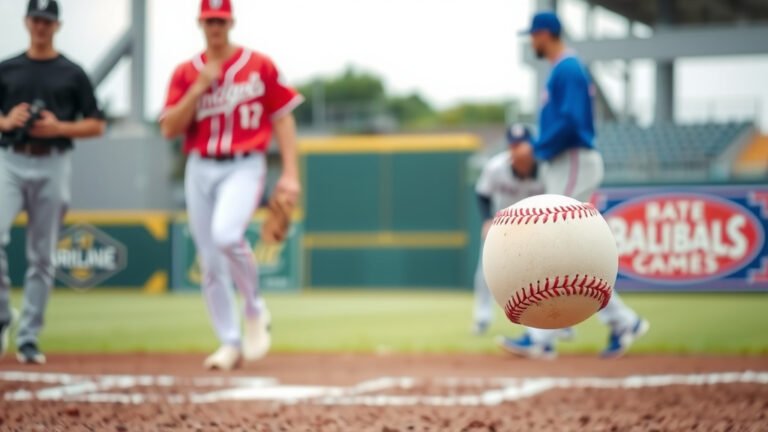
A baseball field has a unique shape. It’s often called a diamond because of the layout of the bases. There’s home plate, first base, second base, and third base forming a square. The pitcher stands on a mound in the center of this diamond. The outfield stretches out beyond the infield. Different players cover specific areas to catch or stop the ball.
Understanding the Flow of Play: Innings and Outs
Baseball is structured around innings and outs. These are the building blocks of how a game progresses. Understanding how they work is key to following the action on the field. It’s like the rhythm of the game.
What is an Inning?
As mentioned, a game typically has nine innings. An inning is a complete round of play where both teams have had a turn at bat. The visiting team bats first in each inning, and the home team bats second. This continues until the end of the ninth inning. If the score is tied, extra innings are played until one team leads.
Getting Three Outs: The Defense’s Goal
The defense’s main job is to get three players on the offensive team out. When the defense achieves three outs, the teams switch roles. The batting team becomes the fielding team, and vice versa. There are several ways a player can be put out.
Common Ways to Get an Out
- Strikeout: The batter accumulates three strikes before hitting the ball into fair territory or safely reaching a base. A strike can be a swing and miss, a pitch in the strike zone that isn’t swung at, or a foul ball (unless two strikes have already been called).
- Fly Out: A fielder catches a batted ball in the air before it hits the ground. This is a very common way to get an out.
- Ground Out: A fielder fields a batted ball on the ground and throws it to a base ahead of the runner, or a fielder with the ball touches a runner before they reach a base.
- Force Out: A fielder with the ball touches a base that a runner is forced to advance to, before the runner arrives. This often happens when a batter hits a ground ball.
- Tag Out: A fielder touches a runner with the ball (or the glove holding the ball) when the runner is not on a base.
Your Role on the Field: Offense and Defense
Whether you’re on offense or defense, your actions matter. Let’s break down what you’ll be doing in each situation.
Playing Offense: Hitting and Running
When your team is up to bat, you’re on offense. The primary goal is to hit the ball and then advance around the bases. You’ll stand in the batter’s box, facing the pitcher. Your job is to make contact with the ball and put it into play. We found that good hand-eye coordination is helpful here (NCAA).
The Art of Hitting
As a batter, you’ll watch the pitcher throw the ball. You’re looking for a pitch in the strike zone that you can hit hard. You’ll swing your bat with the intention of making solid contact. A well-hit ball can go far and give you time to run to first base or beyond. Don’t worry if you don’t hit it perfectly at first; practice makes a big difference.
Base Running Strategy
Once you hit the ball and it’s in play, you become a runner. You’ll sprint towards first base. If you hit the ball well enough, you might try for second or even third base. As a runner, you always want to pay attention to where the ball is and what the fielders are doing. You also need to be aware of the number of outs. We found that understanding when to take an extra base is a learned skill.
Playing Defense: Fielding and Pitching
When the other team is batting, you’re on defense. Your team is spread out across the field, ready to catch or stop the ball. Everyone plays a role in preventing runs.
The Role of the Fielder
Fielders have different positions, like outfielders (left, center, right) and infielders (first base, second base, shortstop, third base). Their job is to catch batted balls, throw them accurately, and get runners out. You need to be alert and ready to move quickly. Many experts agree that good communication between fielders is vital (Little League International).
The Pitcher’s Crucial Job
The pitcher is arguably the most important defensive player. They stand on the pitcher’s mound and throw the ball towards home plate. The pitcher’s goal is to throw strikes and make it difficult for the batter to hit the ball well. They have a variety of pitches they can use to trick the batter. Pitching involves significant arm strength and control.

Essential Equipment for Your Baseball Game
Before you can step onto the field, you’ll need a few key pieces of equipment. These items help protect you and enable you to play the game effectively.
Your Baseball Gear Checklist
- Baseball Bat: Used to hit the ball. They come in various sizes and materials.
- Baseball Glove: Worn on your non-throwing hand to catch the ball.
- Baseball: The ball used in the game, about 9 inches in circumference.
- Helmet: Essential for batters and runners to protect your head.
- Cleats: Shoes with spikes that help you grip the field.
Getting the right fit for your glove and helmet is important. We found that properly fitted equipment can prevent injuries and improve performance.
“`Conclusion
You’ve now got a solid understanding of how to play baseball. Remember, it’s about hitting, fielding, and running bases. Mastering the flow of innings and outs is key. Everyone plays a role, whether on offense or defense. Getting the right equipment makes a big difference too. The best way to get better is to practice. So, grab your gear, find a field, and get out there for your first game. You’ll learn by doing!
Frequently Asked Questions
How many players are on a baseball team?
A standard baseball team has nine players on the field at a time. These positions include pitcher, catcher, first baseman, second baseman, third baseman, shortstop, left fielder, center fielder, and right fielder. When batting, the whole team usually gets a chance to hit.
What happens if the ball is hit foul?
A foul ball is a batted ball that lands outside of the foul lines. If you hit a foul ball and have fewer than two strikes, it counts as a strike. If you already have two strikes, a foul ball does not count as a third strike, and you remain at bat. Some exceptions apply to foul tips caught by the catcher.
Can you run to first base after a walk?
Yes, if the pitcher throws four balls to the batter, it’s called a walk. The batter is then awarded first base automatically and can advance safely. This also applies to a hit-by-pitch situation, where the batter is awarded first base.
What’s the difference between a fly out and a ground out?
A fly out occurs when a fielder catches a batted ball in the air before it touches the ground. A ground out happens when a batted ball is hit on the ground, and a fielder gets the runner out before they reach first base, often by throwing the ball to the base.
How important is communication on defense?
Communication is extremely important for the defense. Fielders need to talk to each other to avoid collisions and let teammates know if they are going to catch a ball. Good communication helps prevent errors and ensures plays are made efficiently.