Where Does the Catcher Stand on the Field?
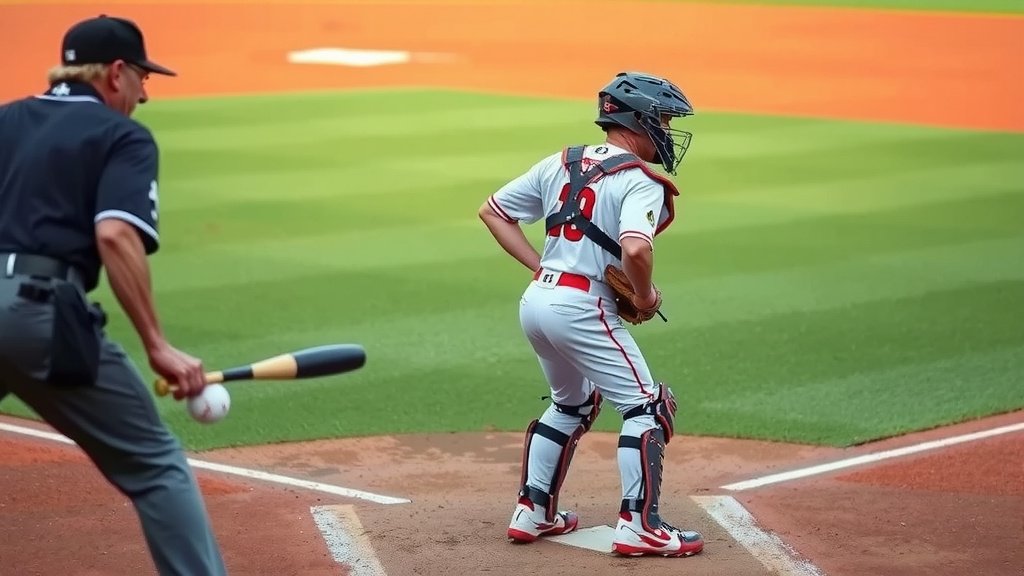
The catcher stands behind home plate, directly in line with the batter. Their primary role is to catch pitches thrown by the pitcher. This position allows them to receive the ball safely and make plays on runners. It’s a critical defensive spot.
Where the catcher positions themselves can change based on the game situation. For example, they might crouch lower for a strike or adjust slightly to frame a pitch. They also need to be ready to field bunts or pop-ups. Understanding this basic positioning is key to appreciating baseball strategy. This position is essential for team defense.
- Catchers stand behind home plate.
- They are in line with the batter.
- Their job is to catch pitches.
- Positioning adjusts for game situations.
- This is a key defensive role.
Let’s dive into the specific spots a catcher might occupy and why it matters for your team’s success.
Understanding the Catcher’s Defensive Territory
So, where exactly does the catcher set up on the diamond? It’s not just one spot. Think of it as a dynamic zone. Your catcher is the anchor behind home plate. They form a direct line with the pitcher and the umpire. This positioning is essential for catching pitches and controlling the game.
Their primary stance is a deep crouch. This makes them a lower target for the pitcher. It also helps them present the ball to the umpire. This low stance is key for framing pitches. It can make close calls go your team’s way. The goal is to make every pitch look like a strike. The catcher’s positioning is crucial for framing pitches within the strike zone.
The Standard Crouching Position
When a pitcher is on the mound, the catcher takes their default defensive position. This involves a deep crouch. Their legs are bent, and they’re low to the ground. The knees are typically spread wide apart. This provides a stable base.
Their mitt is held out in front, ready to receive the pitch. The glove is often positioned below the strike zone. This allows them to “frame” the pitch. They can then bring the glove up smoothly. This gives the umpire a clear view of the ball. It’s a skill that takes lots of practice.
The catcher’s eyes are locked on the pitcher. They track the ball from the moment it leaves the pitcher’s hand. This focus is absolute. They need to react instantly to different pitch types. A fastball requires a firm glove. A curveball needs a softer, more giving target.
Receiving the Pitch
The catcher’s job isn’t just to be there. It’s to catch the ball cleanly. A dropped ball can be costly. Runners could advance. It can even lead to runs scoring.
We found that successful catchers have excellent hands. They practice receiving drills constantly. They learn to absorb the ball’s impact. This prevents it from bouncing out of their glove. It’s like being a skilled boxer, absorbing punches.
Framing Techniques
Pitch framing is an art form. It’s about making a borderline pitch look like a strike. A catcher might subtly move their glove. They do this as the ball enters the zone. The goal is to influence the umpire’s decision. It’s a subtle but important skill.
Some research suggests that good framing can add strikes to a pitcher’s count. This is like having an extra out in an inning. Many managers look for catchers who excel at this. It can be a real advantage for your pitching staff.
Adjustments Based on Game Situation
The catcher’s position isn’t static. It changes based on the batter and the count. They also adjust for the pitcher’s strengths. It’s a dynamic chess match on the field.
Pitcher and Batter Matchups
If a pitcher has a strong fastball, the catcher might stay lower. They want to provide a consistent target. If the pitcher throws a lot of breaking balls, the catcher might adjust slightly. They might move a bit closer to the plate. This helps them catch the ball sooner. It prevents it from getting too far in front of them.
The batter also matters. A batter known for stealing bases might cause the catcher to adjust. They might set up a bit more to their left or right. This helps them throw out a runner at second base. This is about anticipating the opponent.
The Importance of the Strike Zone
The strike zone is the catcher’s primary focus. They work with the umpire to define it. Their framing helps them steal called strikes. This is especially true on the edges of the zone. Many believe this is a huge advantage.
Consider a hitter with a high strike zone. The catcher might set up a little higher. They want to catch the ball where the umpire calls strikes. For a hitter with a low zone, the catcher might go even lower. This attention to detail is key.
When Runners Are on Base
When there are runners on base, the catcher’s stance changes. They need to be ready to throw. They might stand up slightly. This allows for a quicker transition to throwing. Their body might be angled more towards the runner. This helps them see the runner’s lead. Their stance changes when runners are on base, preparing to throw out a runner.
The catcher also needs to be aware of the game situation. Are they trying to hold a runner? Are they trying to pick off a runner? These decisions influence their positioning. It’s about being ready for anything.
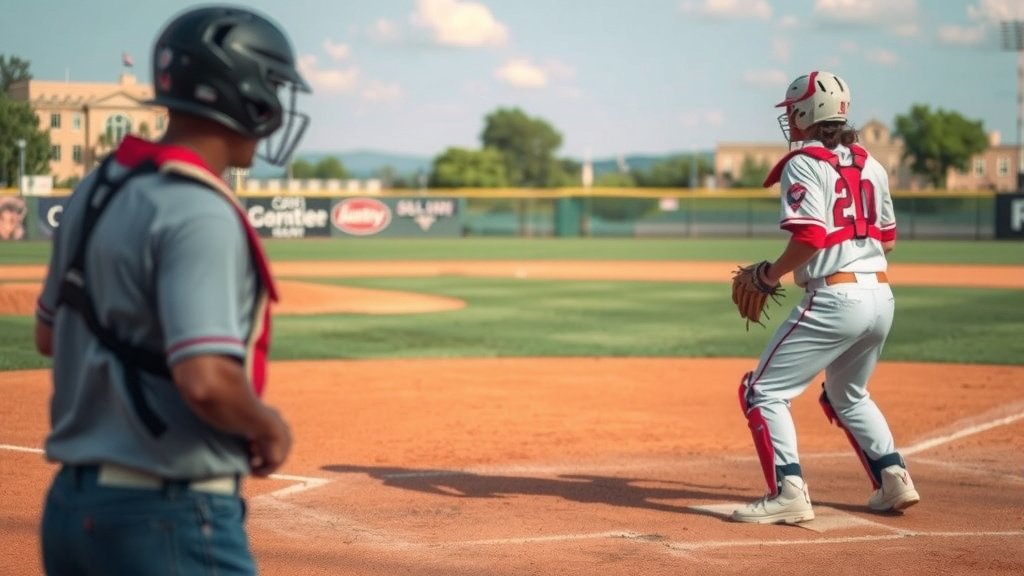
The Catcher’s Role in Fielding and Strategy
Beyond receiving pitches, the catcher is involved in many other plays. They are often the first line of defense for bunts. They also call the game, deciding which pitches to throw. This makes them a strategic leader.
Fielding Bunts and Ground Balls
If a batter bunts the ball, the catcher is often the first to field it. They must quickly get out of their crouch. They need to scoop up the ball cleanly. Then, they make a throw to first base. This requires agility and good hands. We found that quick reflexes are essential for this play.
Blocking Pitches in the Dirt
Sometimes, a pitch is thrown low and in the dirt. The catcher’s job is to block it. They drop their body in front of the ball. This prevents it from rolling away. It keeps runners from advancing. It’s a tough job that requires bravery and skill.
A good blocker can save many bases. They are the last line of defense. They protect the pitcher and the defense. It’s a physically demanding part of the game.
Calling Pitches and Game Strategy
In many cases, the catcher calls the pitches. They work with the pitcher to decide what to throw. They consider the batter, the count, and the score. This is a huge responsibility. It shows their understanding of the game.
They are the only player with a full view of the field. This allows them to communicate with their teammates. They direct traffic and organize the defense. They are the quarterback of the baseball team.
Checklist: Key Catcher Positions and Actions
- Standard crouch behind home plate.
- Slight adjustments for pitch framing.
- Standing taller with runners on base.
- Moving to field bunts near home.
- Dropping to block pitches in the dirt.
- Communicating strategy with the pitcher.
Conclusion
You now understand that your catcher isn’t just rooted behind home plate. Their positioning is a dynamic science. They adjust their stance to frame pitches and help your pitcher get calls. They stand taller to block and throw out runners. The catcher is your team’s strategic hub. They see the whole field and direct traffic. By mastering these positions, your catcher becomes a true defensive leader. Always practice your fielding and communication. This will help you steal strikes and win games for your team.
Frequently Asked Questions
Does the catcher ever stand up while pitching?
Yes, they do. When runners are on base, a catcher will often stand up slightly. This helps them get into a throwing position faster. It also allows them to better see the lead of the runner.
Why does the catcher move closer to the plate for some pitches?
A catcher might move closer to receive pitches like curveballs or sliders. This helps them catch the ball before it breaks too far. It also prevents the ball from getting too far in front of them.
How does the batter’s stance affect where the catcher stands?
The catcher’s position can shift based on the batter’s height and stance. If a batter has a high strike zone, the catcher might set up a bit higher. This helps them catch the ball where the umpire calls strikes.
What is “pitch framing” and why is it important for the catcher’s position?
Pitch framing is making borderline pitches look like strikes. The catcher subtly moves their glove as the ball enters the zone. Good framing can help your pitcher get more called strikes.
Does the catcher need to be agile to catch pitches?
Yes, agility is key. The catcher needs to move quickly to field bunts and block wild pitches. They must also transition smoothly from catching to throwing. Quick reflexes are essential.