What is a Wood Bat: A Baseball Player’s Guide
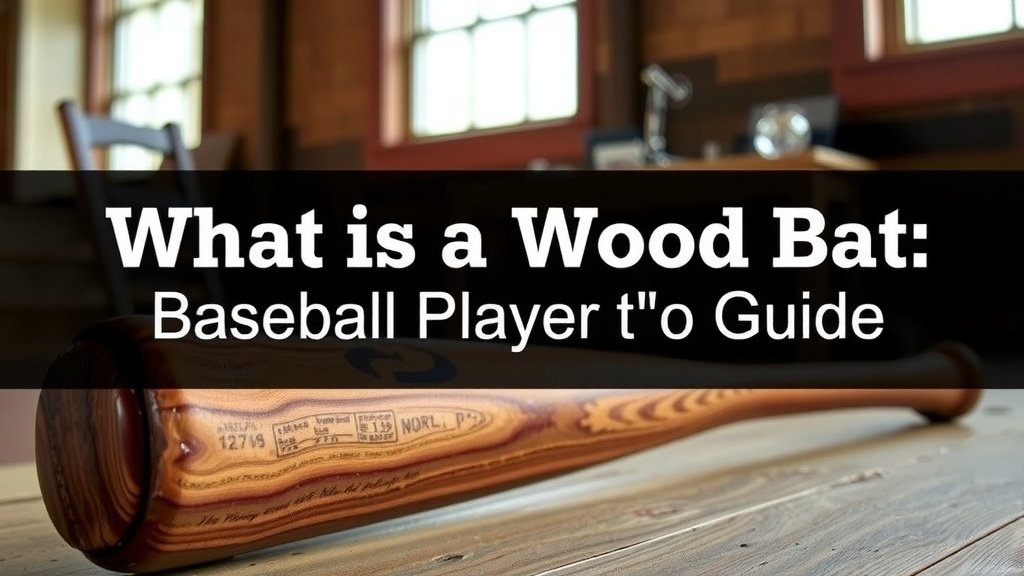
A wood bat is a baseball or softball bat made from a single solid piece of wood, typically maple, ash, or birch. Unlike metal or composite bats, wood bats offer a distinctive feel and sound when you make contact with the ball. They are the standard for professional baseball leagues like MLB, giving hitters a unique challenge and reward.
When you swing a wood bat, you’re using a tool steeped in baseball tradition. Many amateur leagues and players prefer them for the authentic baseball experience they provide. Understanding the nuances of wood bats, like their durability and how they perform differently from other bat types, can help you choose the right one for your game.
- Wood bats are made from a single piece of wood.
- Maple, ash, and birch are common woods used.
- They are the official bat of professional baseball.
- Wood bats offer a unique hitting experience and sound.
- They require more careful handling than metal bats. Wood bats require more careful handling than metal bats; our guide on how heavy is a baseball bat can help you understand weight.
We found that many players are curious about the differences and benefits of swinging wood. Below, we’ll walk you through everything you need to know about wood bats.
Understanding the Classic Wood Baseball Bat
A wood bat is more than just a piece of sporting equipment. It’s a connection to baseball’s rich history. You’ll find these bats used in professional leagues for a reason. They offer a unique hitting challenge. This challenge, in turn, brings a special kind of reward. We found that many players appreciate this traditional feel.
The Materials: What Woods Make a Bat?
Wood bats are typically crafted from a single piece of hardwood. This ensures strength and a solid feel. Different woods offer distinct playing characteristics. Let’s look at the most popular choices you’ll encounter.
Maple: The Modern Powerhouse
Maple bats have become incredibly popular, especially in the pros. This dense wood offers great pop. It’s also very durable. Maple bats tend to have a harder surface. This can lead to excellent energy transfer when you hit the ball squarely. However, maple can sometimes splinter or flake if it gets a large crack.
Ash: The Traditional Favorite
For many years, ash was the go-to wood for baseball bats. It’s known for its flexibility. This flexibility allows the bat to flex slightly on impact. This can give you a feeling of extra whip through the zone. Ash bats are also known for being more forgiving if you don’t hit the ball perfectly. They tend to be a bit lighter than maple bats, which some players prefer.
Birch: The Best of Both Worlds
Birch bats are a newer option that has gained traction. They combine some of the best traits of both maple and ash. Birch wood is strong and durable like maple. It also has a bit of the flexibility you find in ash. We found that birch bats can offer excellent performance. They often have a good balance of strength and feel.
Key Characteristics of Wood Bats
When you pick up a wood bat, you’ll notice certain things. These characteristics set them apart from other types of bats. Understanding these can help you appreciate their unique role in the game.
The Sweet Spot: A Smaller Target
Wood bats have a smaller sweet spot than metal or composite bats. This means you need to hit the ball right on the barrel’s “sweet spot” for maximum power and distance. It requires better timing and bat control. Many experts say this focus on precision is what makes wood hitting so satisfying (Baseball Journal).
Sound and Feel: The Authentic Experience
There’s a distinct “crack” when a wood bat makes solid contact with a baseball. It’s a sound many players dream of. The feel through your hands is also different. You can feel the vibration of the ball meeting the wood. This tactile feedback is something many players find addictive.
Durability and Care: Treat Them Right
Wood bats require more careful handling than their metal counterparts. They can break if you hit the ground hard or if the ball hits the bat wrong. Cracks can form and worsen with use. It’s important to inspect your bat before each game. Avoid using it in conditions that could damage it, like on very cold days or on hard surfaces.
Comparing Wood Bats to Other Types
Most baseball and softball players will eventually encounter bats made from other materials. Knowing how wood bats differ can help you make informed choices about your equipment.
Wood vs. Metal Bats
Metal bats, often aluminum or a metal alloy, are known for their “trampoline effect.” This means the bat surface can flex and rebound the ball with more energy. They typically have larger sweet spots and can be more durable in terms of resisting breakage from contact. However, many find the sound and feel less traditional. Metal bats are common in youth leagues and some adult amateur leagues.
Wood vs. Composite Bats
Composite bats are made from carbon fiber or other materials layered together. They often offer a larger sweet spot and a balanced feel. Like metal bats, they can provide a powerful trampoline effect. Composite bats can also be very durable. They are popular in softball and some levels of youth baseball. They often require a “break-in” period to reach their peak performance.
Choosing Your Wood Bat
Selecting the right wood bat is a personal journey. It depends on your playing style, preferences, and even your league’s rules. We found that considering these factors can guide your decision.
Weight and Length: Finding Your Fit
The length and weight of a bat are critical. A bat that’s too heavy can slow down your swing. A bat that’s too light might not provide enough power. Most wood bats are measured in terms of “drop weight.” This is the difference between the bat’s length and weight. A drop of -3 is common for adult leagues. Many players find a bat length that allows them to swing comfortably and powerfully.
Bat Types: Different Designs for Different Swings
Wood bats come in various shapes and sizes. Some have a larger barrel with a smaller handle, designed for power. Others have a more balanced feel, suited for contact hitters. The knob size and handle thickness also vary. Experimenting with different models can help you discover what feels best in your hands. Many professionals have specific models they prefer.
Here’s a quick checklist to help you think about your next wood bat:
- Do you prefer a lighter or heavier feel?
- What is your league’s rule on wood bats?
- Have you tried different wood types before?
- What is your comfortable swing speed?
- Do you want a bat for power or contact?
- Does the handle feel good in your grip?
The Tradition and Skill of Wood Bat Hitting
There’s an artistry to hitting with a wood bat. It demands respect for the game and for the equipment. You learn to adjust your swing to find that perfect contact. This focus on fundamentals is why so many players cherish the experience. It’s a true test of your hitting prowess. Many experienced players say it makes them better hitters overall.
Conclusion
You’ve now learned that a wood bat is more than just equipment; it’s a piece of baseball history. Understanding the differences between maple, ash, and birch helps you choose the right feel for your swing. Remember that wood bats demand precision, offering a unique challenge and a rewarding experience. Treating your wood bat with care ensures its longevity and consistent performance. Ready to feel the difference? Your next step is to visit a local sporting goods store and hold a few different wood bats to find the one that feels perfect in your hands.
Frequently Asked Questions
What is the main difference between wood and metal bats?
The biggest difference is the sound and feel. Wood bats have a distinct “crack” and tactile feedback, while metal bats often have a more muted sound and a “trampoline effect” for greater ball exit speed. Metal bats also tend to have larger sweet spots.
Are wood bats harder to hit with than metal bats?
Yes, wood bats generally are. They have a smaller sweet spot, requiring better timing and precision. This means you need to make more solid contact to get the best results, which can be a greater challenge.
How long do wood bats typically last?
The lifespan of a wood bat varies greatly. Factors like the type of wood, how often you use it, and how carefully you handle it all play a role. A well-cared-for bat can last a full season or longer, while a bat used roughly might break sooner.
Can I use my wood bat in any league?
Always check your league’s rules. Most professional leagues require wood bats. However, many youth leagues and some adult amateur leagues allow or even require metal or composite bats. Ensure your bat meets your league’s regulations.
What does “drop weight” mean for a wood bat?
Drop weight refers to the difference between a bat’s length and its weight. For example, a 33-inch bat that weighs 30 ounces has a drop weight of -3. A lower drop weight means a lighter bat, which can help you swing faster.